
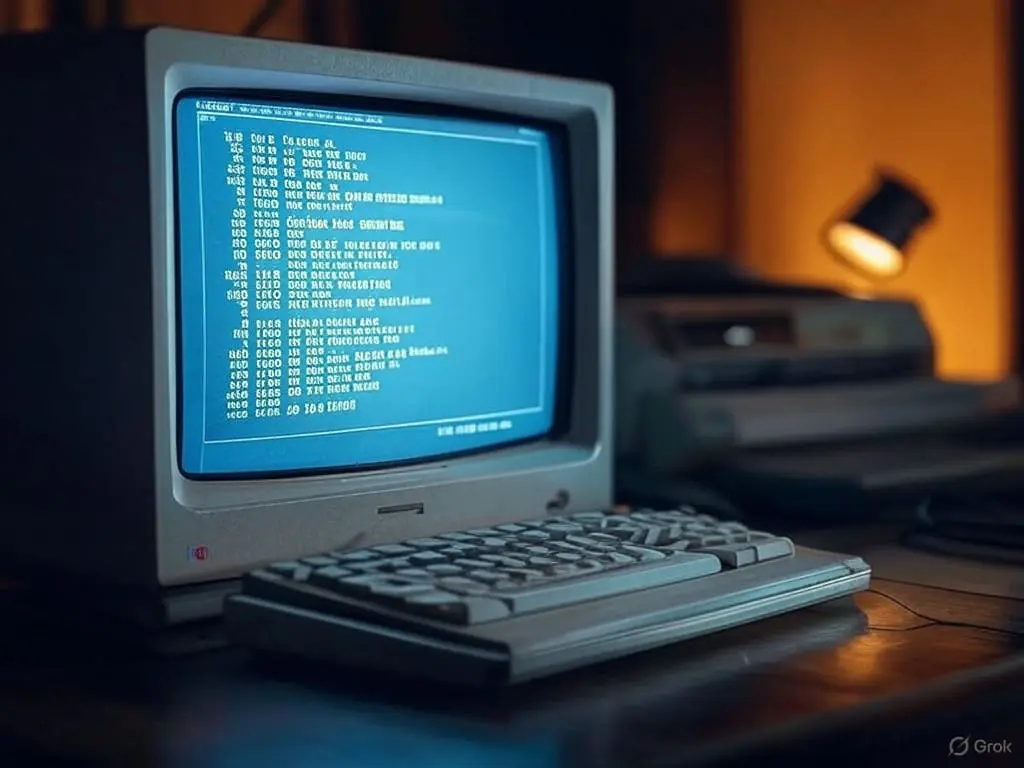
The history of human-computer interaction (HCI) reflects a significant evolution from command-line interfaces (CLIs), which required precise text commands and were accessible only to experts, to more intuitive systems like graphical user interfaces (GUIs). In the 1970s, GUIs brought visual elements such as icons and menus, making computing more approachable for non-experts. This shift was popularized by Apple’s Macintosh in the 1980s, democratizing access to technology and improving user satisfaction.
The rise of touchscreens marked another milestone in HCI, beginning with devices like the Nintendo DS but becoming mainstream with Apple’s iPhone in 2007. Advances in capacitive technology enhanced usability and portability, as detailed in studies from ACM Transactions on Human-Computer Interaction. This innovation made computing more interactive and accessible, setting the stage for future developments.
Voice interfaces emerged with systems like Amazon Alexa and Google Assistant, leveraging natural language processing (NLP) to enable hands-free interaction. Research in conversational user interfaces highlights accessibility benefits and enhanced user experiences through machine learning advancements. Looking ahead, HCI is moving toward multimodal interfaces that integrate touch, voice, and gestures, as explored in recent ACM CHI papers. These technologies aim to reduce cognitive load and enhance user satisfaction, potentially incorporating emerging technologies like augmented reality and brain-computer interfaces for more intuitive and immersive interactions.
Batch Processing And Punch Cards
Batch processing emerged in the early days of computing as a method to execute multiple jobs sequentially without direct human intervention. This approach was particularly suited for tasks that required significant computational resources, such as scientific calculations or business data processing. Punch cards played a pivotal role in this system, serving as the primary medium for inputting instructions and data into computers.
Punch cards were rectangular pieces of stiff paper with holes punched in specific patterns to represent alphanumeric characters or commands. Each card could hold a single line of code or data, and multiple cards were arranged in decks to form complete programs. Operators would feed these decks into card readers, which converted the hole patterns into electrical signals that the computer could interpret.
The use of punch cards in batch processing offered several advantages. It allowed for the automation of repetitive tasks, reduced the need for constant human oversight, and enabled the processing of large volumes of data efficiently. However, this method also had significant limitations. Punch cards were prone to physical damage, and any error in punching a card could lead to incorrect results or system crashes.
Despite these challenges, punch cards remained a dominant input technology throughout the 1950s and 1960s. They were widely used in industries such as banking, where large-scale data processing was essential. The development of more advanced input methods, like magnetic tape and later electronic terminals, gradually replaced punch cards, but their legacy in shaping early computing systems is undeniable.
The transition from punch cards to modern input technologies marked a significant evolution in human-computer interaction. Early computers relied on batch processing due to the limitations of punch card technology, which required meticulous preparation and handling. This era laid the groundwork for the development of more interactive and user-friendly computing interfaces that we see today.
Graphical User Interfaces Revolution
The evolution of human-computer interaction (HCI) has transformed how users engage with technology, moving from command-line interfaces (CLIs) to intuitive graphical user interfaces (GUIs). Early computers relied on CLIs, requiring users to input specific commands. This method was efficient but demanded technical expertise, limiting accessibility. The shift to GUIs in the 1980s, popularized by Apple and Microsoft, introduced visual elements like icons and menus, making computing more approachable for non-experts.
The advent of touchscreens revolutionized HCI, particularly with the rise of smartphones and tablets. While early attempts at capacitive touchscreens existed in the 1970s, their widespread adoption began with devices like the iPhone and iPad. These interfaces allowed users to interact directly with content through gestures, enhancing usability and engagement compared to traditional GUIs.
Voice interaction has emerged as a significant addition to HCI, enabling hands-free operation. Systems like Siri and Alexa utilize natural language processing (NLP) to interpret commands, making technology more accessible, especially for those with disabilities or in environments where touchscreens are impractical. This modality complements GUIs by offering an alternative method of interaction.
Looking ahead, emerging technologies such as augmented reality (AR) and virtual reality (VR) promise new dimensions in HCI. AR overlays digital information onto the physical world, while VR immerses users in entirely digital environments. These technologies have potential applications in education, entertainment, and productivity but face challenges like cost, technical limitations, and user adaptation.
The progression from CLIs to touchscreens and voice interaction reflects a broader trend toward more intuitive and accessible HCI. Each advancement has expanded the demographic of computer users, fostering innovation and integration into daily life. As technology continues to evolve, future interfaces may integrate multiple modalities, offering seamless and personalized interactions.
The Computer Mouse Origin Story
Early computers relied on command-line interfaces, which required users to input precise text commands, making them accessible primarily to technical experts. This limitation prompted the development of more user-friendly alternatives.
Doug Engelbart’s invention of the computer mouse in the 1960s marked a pivotal moment in HCI. Engelbart envisioned a future where computers could augment human intelligence through interactive interfaces. His work culminated in the demonstration of the first mouse, which utilized a graphical interface to navigate and manipulate information, as detailed in his seminal paper “Augmenting Human Intellect: A Conceptual Framework” (Engelbart, 1962). This innovation laid the groundwork for modern GUIs.
The Xerox Palo Alto Research Center (PARC) further advanced HCI with its development of the Alto computer in the 1970s. The Alto featured a mouse-driven GUI, complete with windows and icons, as documented in ” Dealers of Lightning: Xerox PARC and the Invention of the Personal Computer” by Michael Hiltzik (Hiltzik, 2003). This system demonstrated the potential of graphical interfaces to democratize computing, influencing subsequent developments.
The mainstream adoption of GUIs was catalyzed by Apple’s Macintosh in 1984 and Microsoft’s Windows operating system in the early 1990s. These platforms popularized mouse-driven interactions, making computers accessible to a broader audience. The shift from command-line to graphical interfaces significantly reduced the learning curve for new users, as noted in “The Design of Everyday Things” by Don Norman (Norman, 2013).
Recent advancements in HCI include touchscreens and voice interfaces. Touchscreen technology gained prominence with smartphones like Apple’s iPhone in 2007, enabling direct interaction through gestures. Voice assistants such as Siri, introduced in 2011, further revolutionized HCI by allowing users to interact via speech commands. These technologies continue to evolve, enhancing accessibility and user experience across various devices.
Touch Screens And Gestural Interaction
The introduction of touchscreens revolutionized HCI by allowing direct interaction with digital content. E.A. Johnson’s work in the late 1960s laid the groundwork for capacitive touchscreens, which became widely adopted in the 2000s with the advent of smartphones and tablets. Apple’s iPhone, launched in 2007, popularized multi-touch gestures, enabling users to perform actions like pinching, zooming, and swiping. This innovation not only enhanced usability but also set a new standard for mobile computing, influencing subsequent developments in touchscreen technology.
Voice interaction emerged as another transformative modality in HCI. Early systems, such as Dragon NaturallySpeaking in the 1990s, relied on speech-to-text conversion with limited accuracy. Advances in machine learning and neural networks have significantly improved speech recognition, enabling natural language processing (NLP) capabilities. Today, virtual assistants like Siri, Alexa, and Google Assistant integrate voice commands into everyday computing, offering hands-free interaction and enhancing accessibility for users with disabilities.
Gesture-based interfaces represent another layer of HCI innovation, allowing users to control devices through physical movements. Systems like Microsoft Kinect utilized motion sensors to interpret body language for gaming and other applications. More recently, wearable devices such as the Myo armband have enabled gesture recognition based on muscle activity, expanding the possibilities for intuitive interaction without traditional input methods.
The integration of touch, voice, and gesture into multimodal HCI systems has created more seamless and versatile user experiences. These advancements reflect a broader trend toward naturalizing interactions with technology, aligning them with human instincts and behaviors. As research continues to explore the boundaries of perception and cognition in HCI, future interfaces are likely to become even more intuitive and immersive.
Voice Interfaces And AI-driven Systems
The introduction of touchscreens in the late 20th century further revolutionized HCI, enabling users to interact with devices through direct physical contact. This innovation was popularized by smartphones like the iPhone in 2007, which demonstrated how touch interfaces could enhance usability and portability. Voice interfaces emerged as another transformative technology, particularly with the advent of smart assistants such as Siri and Alexa. These systems utilize natural language processing to interpret spoken commands, offering a hands-free interaction method that has become increasingly sophisticated.
Recent advancements have led to multimodal interfaces integrating multiple input methods, including touch, voice, and gestures, creating more seamless and intuitive user experiences. This evolution reflects ongoing efforts to make technology more accessible and responsive to human needs, driven by research in areas such as cognitive ergonomics and machine learning. As HCI continues to evolve, it is likely to incorporate emerging technologies like augmented reality and brain-computer interfaces, further expanding the ways humans interact with machines.
Psychology Of Effective Human-computer Interaction
The evolution of human-computer interaction (HCI) has been marked by significant shifts from command-line interfaces (CLIs) to more intuitive methods like touchscreens and voice commands. Each phase reflects advancements in technology and user accessibility.
Command-Line Interfaces: In the 1960s, CLIs were the earliest form of HCI, requiring users to input specific text commands. While efficient for experts, their steep learning curve limited broader adoption. This era is well-documented in historical texts such as “The New Turing Omnibus” by A.K. Dewdney and academic papers from ACM’s CHI conference.
Graphical User Interfaces (GUIs): The 1970s saw GUIs emerge with Xerox Alto, featuring icons and menus. Apple popularized GUIs in the 1980s with the Macintosh, democratizing computing. This transition is explored in “Designing Interactions” by Bill Moggridge and IEEE Spectrum articles highlighting improvements in user satisfaction.
Touchscreens: The rise of touchscreens began with devices like Nintendo DS but became mainstream with Apple’s iPhone in 2007. Capacitive technology advancements are detailed in studies from ACM Transactions on Human-Computer Interaction, noting increased usage post-iPhone launch.
Voice Interaction: Voice interfaces emerged with Amazon Alexa and Google Assistant, leveraging natural language processing (NLP). Research in “Conversational User Interfaces” by Schubert et al. discusses accessibility benefits and user experience enhancements through machine learning advancements.
Future Trends: HCI is moving towards multi-modal interfaces integrating touch, voice, and gestures. Recent studies in ACM’s CHI papers explore how these technologies reduce cognitive load and enhance user satisfaction, indicating a trend toward seamless interaction.