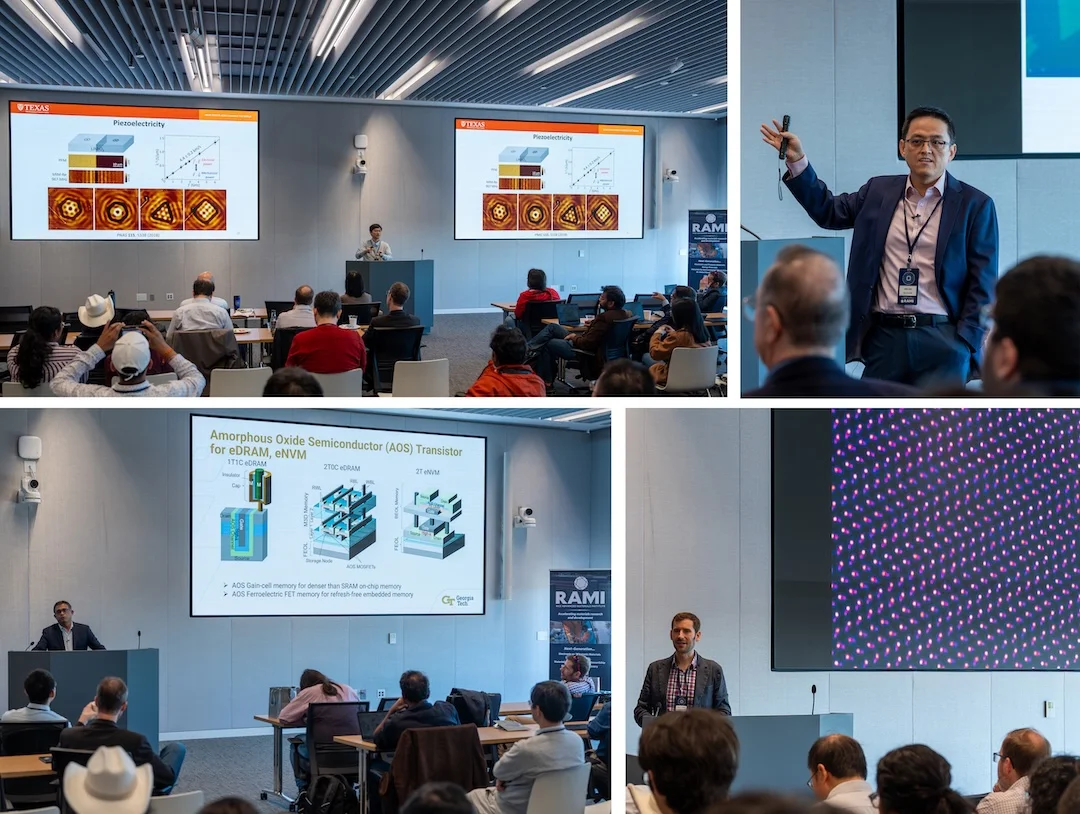
The relentless pursuit of faster, smaller, and more efficient technology hinges on breakthroughs in microelectronics, and a recent workshop at Rice University is aiming to accelerate those advancements. More than 120 researchers, industry leaders, and students converged at the Rice Advanced Materials Institute (RAMI) to explore the cutting edge of materials science for next-generation electronics and photonics. This dynamic event, spearheaded by Rice faculty, served as a crucial platform for sharing discoveries and charting new paths in materials synthesis, characterization, integration, and device design—areas vital to maintaining U.S. leadership in the rapidly evolving semiconductor landscape. Ultimately, the workshop underscored the power of collaboration in shaping the future of technology itself.
Rice Hosts Microelectronics Advancement Workshop
Rice University recently hosted a highly-regarded microelectronics advancement workshop, bringing together over 120 researchers, industry experts, and students November 3-4 to accelerate innovation in next-generation electronics. Organized by Lane Martin, Hae Yeon Lee, and Xuedan Ma, the event showcased Rice’s growing influence within the microelectronics ecosystem and focused on four critical areas: materials synthesis, advanced characterization, integration, and device design. Attendees from institutions like Cornell, MIT, and Stanford presented their work and fostered new collaborations, particularly through a dedicated poster session for graduate students and postdoctoral researchers. Beyond scientific exchange, the workshop highlighted the importance of interdisciplinary partnerships, receiving support from multiple Rice entities—including the George R. Brown School of Engineering and the Smalley-Curl Institute—as well as key industry contributors like Oxford Instruments and Thermo Fisher Scientific. Ultimately, the event underscored Rice’s commitment, through the Rice Advanced Materials Institute (RAMI), to driving forward materials innovation and solidifying its position at the forefront of semiconductor research.
Key Areas Driving Semiconductor Innovation
Semiconductor innovation is currently being driven by focused advances in four key areas, as highlighted by a recent workshop hosted by Rice University’s Advanced Materials Institute (RAMI). These critical components—materials synthesis, advanced characterization, integration, and device design—represent a holistic approach to next-generation electronics, demanding close collaboration to ensure continued U.S. leadership. The workshop, bringing together over 120 researchers and industry experts, emphasized that progress hinges on effectively designing, building, understanding, and integrating novel materials. RAMI’s initiative specifically aims to foster connections across these realms, recognizing that breakthroughs require deep expertise in each area, from initial material creation to final device implementation, and benefitting from partnerships with institutions like Cornell, MIT, and national laboratories like Argonne and Lawrence Berkeley. This collaborative spirit, coupled with support from Rice’s engineering schools and industry partners, positions the university as a central hub for materials innovation.
Fostering Collaboration and Future Partnerships
Fostering collaboration and future partnerships was central to a recent workshop hosted by the Rice Advanced Materials Institute (RAMI), bringing together over 120 researchers, industry experts, and students to accelerate advancements in next-generation microelectronics. Organized by Lane Martin, Hae Yeon Lee, and Xuedan Ma, the event featured speakers from prominent institutions like MIT, Stanford, and national laboratories, encouraging the exchange of ideas across materials synthesis, characterization, integration, and device design. A dedicated poster session for graduate students and postdoctoral researchers further facilitated emerging directions and potential new collaborations. Support from across Rice University—including the George R. Brown School of Engineering, the Smalley-Curl Institute, and the Office of Technology Transfer—along with contributions from industry partners like Oxford Instruments and Thermo Fisher Scientific, underscored a commitment to building a robust microelectronics ecosystem and positioning Rice at the forefront of materials innovation.