

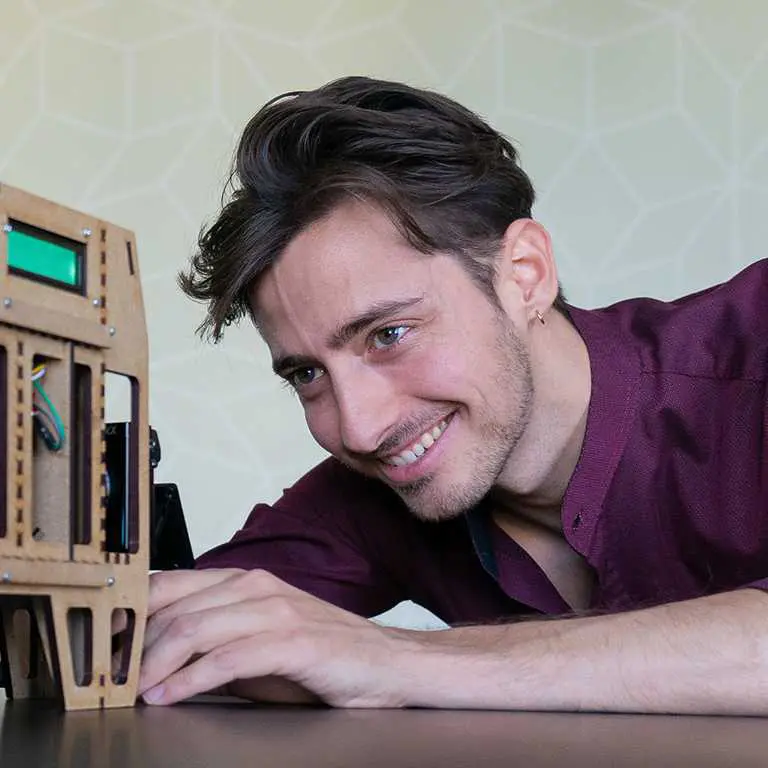
Juan Gamella, a researcher at ETH Zurich with expertise in mathematics, robotics, and AI, has developed innovative mini-labs known as causal chambers. These physical testbeds serve as controlled environments for validating AI algorithms, particularly those focused on causal AI, which seeks to understand cause-effect relationships—a critical aspect for fields like medicine and climate research.
Collaborating with professors Peter Bhlmann and Jonas Peters, Gamella’s work enhances the validation of algorithms by providing known cause-effect data, addressing a significant challenge in real-world testing. Beyond engineering applications, these mini-labs have potential uses in cell biology, synthetic biology, and industrial optics, though some projects face cost constraints. Additionally, they offer an educational benefit, allowing students to apply theoretical knowledge practically, as evidenced by pilot studies at ETH Zurich and the University of Liège.
Causal AI and Mini-Labs for Testing AI Methodologies
Mini-labs serve as physical testbeds for validating AI methodologies, particularly in causal AI research. These setups allow researchers to assess how well algorithms can identify cause-effect relationships in real-world systems. By controlling variables within these environments, scientists can evaluate algorithm performance under known conditions, ensuring reliability and accuracy.
Applications of mini-labs extend beyond engineering into fields like cell biology and optics. For instance, a light tunnel mini-lab has been successfully used in industrial production to address optical issues. While challenges such as high implementation costs have limited some applications, the potential for broader use across various domains remains promising.
Collaborations between researchers, including those with ETH mathematics professors Peter Bühlmann and Nicolai Meinshausen, have advanced causality research. These partnerships leverage controlled environments to validate new algorithms under changing conditions, enhancing our understanding of causal relationships in complex systems.
Additionally, mini-labs offer educational benefits by providing students with practical settings to apply theoretical knowledge. This hands-on approach improves learning outcomes in AI, statistics, and engineering, attracting interest from academic institutions worldwide.
Educational Benefits of Using Mini-Labs for Teaching AI Concepts
Mini-labs serve as controlled experimental platforms for studying causal relationships in biological systems. These setups allow researchers to systematically manipulate variables and observe outcomes, enabling precise experimentation and data collection. In cell biology, mini-labs can be used to study cellular responses under specific conditions, providing insights into complex biological processes. Similarly, in synthetic biology, these platforms facilitate the testing of engineered biological systems, ensuring predictable behavior before scaling applications.
The use of mini-labs in biological research offers several advantages over traditional methods. By isolating variables and controlling environmental factors, researchers can more accurately identify causal relationships. This approach enhances understanding of cellular mechanisms and improves the design of synthetic biological systems, bridging the gap between theoretical models and practical outcomes. The successful deployment of similar setups in industrial optics demonstrates the potential for broader applications in biological research.
In summary, mini-labs provide a valuable framework for testing AI methodologies in causal inference within real-world biological systems. Their ability to systematically manipulate variables and observe outcomes makes them an essential tool for advancing our understanding of complex biological processes.
More information
External Link: Click Here For More


