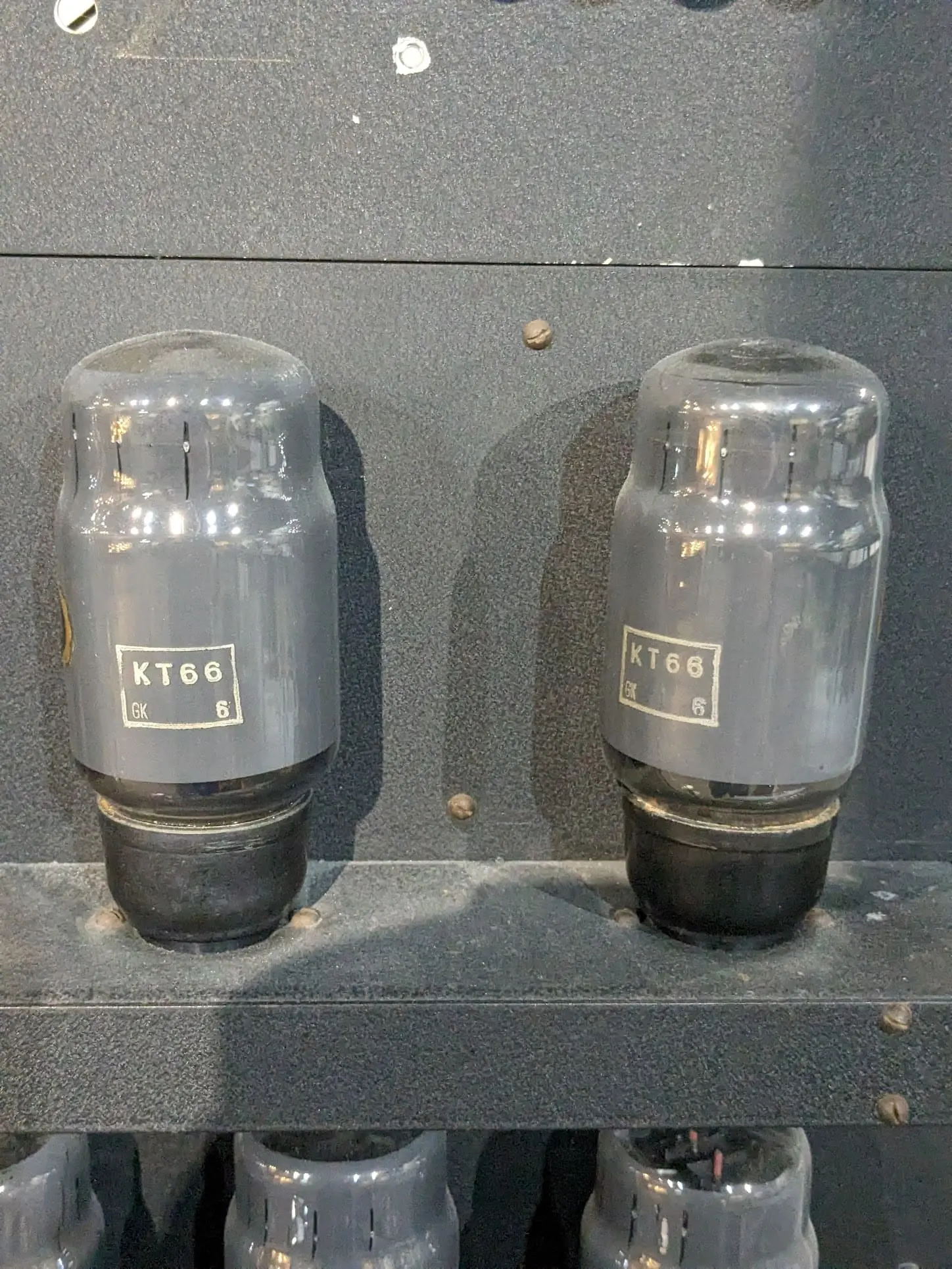
The evolution of computer processing has been shaped by transformative technological advancements, beginning with the transition from bulky vacuum tubes to compact silicon chips. Early computers relied on vacuum tubes, which were large, power-hungry, and prone to overheating. The introduction of transistors, initially made from germanium and later silicon, marked a significant leap forward, offering smaller, faster, and more durable components. This innovation led to the development of integrated circuits (ICs), where multiple components were embedded on a single chip, drastically increasing circuit density and reducing power consumption.
The invention of ICs by Jack Kilby and Robert Noyce in 1958 was a pivotal moment, enabling exponential growth in computing power. Gordon Moore’s 1965 prediction, known as Moore’s Law, foresaw that the number of transistors on an integrated circuit would double every two years, a trend that has largely held true. This progression has allowed modern processors to house billions of transistors, driving advancements in artificial intelligence, data centers, and the Internet of Things (IoT). However, challenges remain, particularly with heat dissipation and power consumption as components shrink.
Looking ahead, the future of computer processing is driven by the pursuit of faster, more efficient, and scalable solutions. Quantum computing, which leverages quantum bits (qubits) instead of classical binary digits, holds promise for solving complex problems that are intractable for traditional computers. Meanwhile, advancements in neuromorphic engineering aim to mimic the human brain’s neural networks, offering potential breakthroughs in machine learning and pattern recognition. These innovations highlight the ongoing quest for progress in computational efficiency and capability, ensuring continued evolution in computer processing.
The Birth Of ENIAC And The Dawn Of Digital Computing
The evolution of computer processing from vacuum tubes to silicon chips has been a transformative journey, significantly impacting technology and society. Here’s an organized overview of this progression:
- Vacuum Tubes: Early computers like ENIAC relied on vacuum tubes, which were large and power-intensive. These tubes had reliability issues due to overheating and frequent failures, making maintenance challenging. Despite these drawbacks, they were crucial in the early days of computing.
- Transistors: The 1950s introduced transistors as a replacement for vacuum tubes. Smaller, more efficient, and longer-lasting, transistors revolutionized computing by enhancing reliability and reducing size. This transition marked the second generation of computers, making them more accessible and practical.
- Integrated Circuits (ICs): Developed in the late 1950s by Jack Kilby and Robert Noyce, ICs integrated multiple transistors onto a single chip. This innovation led to faster, cheaper, and more efficient computers, ushering in the third generation of computing.
- Microprocessors: The early 1970s saw the invention of microprocessors by Intel, combining an entire CPU on a single chip. This breakthrough enabled personal computers and expanded into various devices, representing the fourth generation of computing.
- Modern Processors: Today’s processors utilize multi-core architectures and advanced manufacturing techniques like FinFET, enhancing performance while reducing energy consumption. Companies such as Intel and ARM lead in developing high-performance chips, driving continuous innovation in computing technology.
This evolution has been pivotal in shaping modern computing, with each technological shift addressing previous limitations and paving the way for future advancements.
From Vacuum Tubes To Transistors: A Fundamental Shift
The evolution of computer processing from vacuum tubes to silicon chips represents a significant technological leap, fundamentally transforming computing capabilities. Early computers relied on vacuum tubes, which were large and power-intensive, as seen in machines like ENIAC. These devices were prone to heat issues and had limited reliability, often requiring frequent replacements. The development of transistors by Bell Labs in 1947 marked a pivotal shift, offering smaller size and higher efficiency compared to vacuum tubes.
Transistors enabled the creation of integrated circuits (ICs), which consolidated multiple components onto a single chip. This innovation was crucial for reducing the size and increasing the functionality of computers. The introduction of silicon chips further revolutionized computing by enabling microprocessors, such as Intel’s 4004 in 1971, which contained thousands of transistors on a single chip. This advancement led to smaller, more powerful computers.
Moore’s Law, articulated by Gordon Moore in 1965, predicted the exponential growth in transistor density on integrated circuits. This prediction held true for decades, driving technological progress and enabling advancements in computing power and efficiency. The law’s influence extended beyond hardware, impacting software development and user expectations for performance improvements.
The transition from vacuum tubes to transistors and then to silicon chips was not merely incremental; it represented a paradigm shift in computing technology. Each stage addressed the limitations of its predecessor, enhancing reliability, reducing size, and increasing processing power. This evolution laid the foundation for modern computing, making computers accessible to a broader audience and driving innovation across various industries.
The journey from vacuum tubes to silicon chips underscores the importance of technological advancements in overcoming physical limitations. By examining each era—vacuum tubes, transistors, integrated circuits, and microprocessors—we can appreciate the cumulative impact of these innovations on the development of computing technology.
Moore’s Law And Its Influence On Computing Power
Early computers relied on vacuum tubes, which were bulky, power-hungry, and prone to failure. The development of transistors marked a significant leap forward, offering smaller size, lower power consumption, and increased reliability. Germanium-based transistors initially dominated but were later surpassed by silicon transistors due to their superior thermal properties and durability.
The introduction of integrated circuits (ICs) revolutionized computing by integrating multiple components onto a single chip, drastically reducing size and enhancing efficiency. This innovation laid the groundwork for Moore’s Law, articulated by Gordon Moore in 1965, which predicted that the number of transistors on a chip would double every two years, leading to exponential growth in computing power. This law became a driving force behind technological advancements, influencing both hardware development and software optimization.
As technology progressed, complementary metal-oxide-semiconductor (CMOS) technology emerged as a cornerstone of modern computing. CMOS offered significant improvements in power efficiency and performance, enabling the creation of more advanced and accessible computers. The adherence to Moore’s Law during this period facilitated rapid innovation, with each generation of chips outperforming the previous one while maintaining or reducing costs.
Despite the remarkable progress, challenges have emerged as the industry approaches the physical limits of silicon-based technology. Issues such as heat dissipation and quantum effects pose significant barriers to further miniaturization. These limitations have sparked research into alternative technologies, including quantum computing and neuromorphic engineering, which promise to overcome current constraints and continue the trajectory of exponential growth in computing power.
The influence of Moore’s Law extends beyond hardware; it has shaped the entire tech ecosystem, encouraging continuous innovation and investment. As we look to the future, maintaining the pace of progress will require breakthroughs in materials science and circuit design, ensuring that the evolution of computer processing remains a dynamic and transformative field for years to come.
Miniaturization And Its Role In Technological Advancement
Vacuum tubes, once the cornerstone of early computing, were large, power-hungry, and prone to overheating. Their replacement with solid-state transistors in the mid-20th century represented a quantum leap in efficiency and reliability. These transistors, initially made from germanium and later silicon, enabled the creation of smaller, faster, and more durable computing devices.
The development of integrated circuits (ICs) in the late 1950s further accelerated this trend. By combining multiple transistors on a single chip, ICs drastically reduced the size and increased the functionality of electronic components. This innovation was pivotal in the creation of microprocessors, which consolidated an entire computer’s processing power onto a tiny silicon wafer. The first commercial microprocessor, Intel’s 4004, introduced in 1971, exemplified this shift, paving the way for modern computing.
Moore’s Law, articulated by Gordon Moore in 1965, has been a guiding principle in the semiconductor industry, predicting that the number of transistors on a chip would double approximately every two years. This exponential growth has driven continuous miniaturization, with contemporary chips housing billions of transistors. However, as physical limits approach, maintaining this trajectory requires innovative solutions such as 3D integration and quantum computing.
The impact of miniaturization extends beyond processing power; it has democratized technology, making computers accessible to the masses. The development of smartphones, wearable devices, and advanced medical equipment owes much to these advancements. Miniaturization also enhances energy efficiency, enabling prolonged battery life in portable devices and reducing environmental footprints.
Despite challenges like quantum tunneling and thermal density, ongoing research explores new materials and architectures to sustain progress. Graphene, carbon nanotubes, and neuromorphic engineering represent potential pathways for future innovations, ensuring that miniaturization remains a cornerstone of technological advancement.
The Architecture Behind Modern Computing Systems
Early computers relied on vacuum tubes, which were bulky, power-hungry, and prone to failure. These devices were used in the first electronic computers, such as the ENIAC (Electronic Numerical Integrator and Computer), developed in the 1940s. However, their limitations became apparent as they could not scale effectively for more complex computations.
Transitioning from vacuum tubes to transistors marked a pivotal moment in computing history. Transistors, first demonstrated in 1947 by Bell Labs, were smaller, faster, and more reliable than vacuum tubes. Early transistors were made of germanium but later replaced by silicon due to its superior thermal properties and abundance. This shift enabled the development of the first integrated circuits (ICs) in the late 1950s, which combined multiple transistors on a single chip, significantly reducing size and increasing functionality.
The invention of the microprocessor in the early 1970s revolutionized computing by integrating an entire central processing unit (CPU) onto a single silicon chip. This innovation, exemplified by Intel’s 4004 processor, created affordable, general-purpose computers. The subsequent decades saw rapid advancements in semiconductor manufacturing, including the development of complementary metal-oxide-semiconductor (CMOS) technology, which improved energy efficiency and performance.
Modern computer processing has benefited from Moore’s Law, which predicts that the number of transistors on a chip doubles approximately every two years, leading to exponential increases in computing power. This trend has been sustained through advancements such as multi-core processors, which improve performance by executing multiple tasks simultaneously, and 3D transistor architectures like FinFET, introduced by companies like Intel and Samsung. These innovations have enabled the development of high-performance computing systems in artificial intelligence, scientific research, and other demanding applications.
The Impact Of Integration On Computing Power
The evolution of computer processing has been marked by significant technological advancements, transitioning from bulky vacuum tubes to compact and efficient silicon chips. Vacuum tubes, once the cornerstone of early computing, were large, power-hungry components that generated substantial heat. Their limitations became evident as computers grew more complex, necessitating a more reliable and scalable solution.
The advent of transistors, initially made from germanium and later silicon, revolutionized the industry by offering smaller, faster, and more durable alternatives to vacuum tubes. This shift enabled the development of integrated circuits (ICs), where multiple components were embedded on a single chip. The invention of ICs by Jack Kilby and Robert Noyce in 1958 was pivotal, as it allowed for increased circuit density and reduced power consumption.
Gordon Moore’s Law, articulated in 1965, predicted that the number of transistors on an integrated circuit would double every two years. This prophecy has largely held true, driving exponential growth in computing power. As a result, modern processors can house billions of transistors, enabling unprecedented computational capabilities.
Despite these advancements, challenges such as heat dissipation and power consumption persist, particularly with the miniaturization of components. Innovations like multi-core processors and the exploration of alternative materials aim to address these issues while maintaining the trajectory of integration and performance enhancement.
The impact of integration on computing power has been transformative across various domains, including artificial intelligence, data centers, and the Internet of Things (IoT). As technology continues to evolve, the focus remains on sustaining Moore’s Law through novel approaches in chip design and materials science, ensuring continued progress in computational efficiency and power.