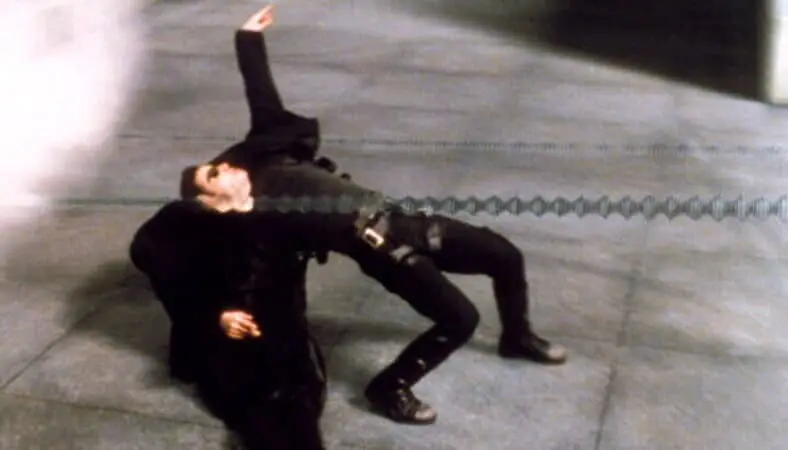
“The Wachowskis direct the Matrix” trilogy. It stands as one of the most iconic explorations of the intersection between science fiction and philosophy. The three films (“The Matrix,” “The Matrix Reloaded,” and “The Matrix Revolutions”) were released between 1999 and 2003. They delve into the nature of reality and free will. They also explore the possibility that the world we perceive is a sophisticated computer simulation. The so-called simulation theory is a popular idea. Some, like Donald D. Hoffman and Elon Musk, have exposed this hypothesis.
This concept aligns closely with simulation theory. It is a philosophical idea suggesting that reality could be an artificial construct. More advanced beings or systems might design this construct. The trilogy weaves cyberpunk aesthetics with metaphysical questions. It raises profound ideas that resonate in academic circles and popular culture.
The Matrix (1999): Laying the Foundations of Simulation Theory
The first film, “The Matrix,” introduces audiences to a dystopian future. In this future, humanity unknowingly exists inside a simulated reality. Intelligent machines control this simulated reality. The protagonist, Neo, starts as a disillusioned hacker. He searches for truth and eventually discovers the Matrix. He learns about his role as “the One.” This revelation mirrors the philosophical notion that reality as perceived by the senses might be illusory. Morpheus’ iconic red pill/blue pill scene serves as a gateway to this idea. It presents the choice between accepting comfortable ignorance or uncovering a potentially unsettling truth.
The film draws heavily from philosophical traditions. It includes Descartes’ “Evil Demon” hypothesis. Descartes postulated that a malicious entity could deceive the senses. This could make one question the authenticity of their experiences. Similarly, Plato’s “Allegory of the Cave” is referenced. Prisoners mistake shadows on a cave wall for reality. They stay in this illusion until they are freed to see the world beyond. Additionally, the Wachowskis acknowledged the influence of Jean Baudrillard’s “Simulacra and Simulation.” This text explores the idea of hyperreality. In hyperreality, representations of reality become indistinguishable from the real world. “The Matrix” cleverly embeds this theme within its narrative, challenging viewers to reconsider the nature of their own reality.
The Matrix Reloaded (2003): Expanding the Concept of Control
“The Matrix Reloaded” expands the mythos established in the first film. It dives deeper into the structure and purpose of the Matrix itself. The film reveals that the Matrix is not just a prison. It is a system designed to maintain control through cycles of destruction and renewal. Neo’s meeting with the Architect highlights this concept. The Architect explains that the Matrix has been rebuilt multiple times. Each iteration allows a degree of human rebellion to sustain the system. This revelation introduces the idea that even perceived acts of rebellion might be preordained within the simulation.
This exploration of free will versus determinism ties directly to simulation theory. If reality is a programmed simulation, do individuals truly have agency? Or are their actions dictated by the rules of the system? “The Matrix Reloaded” raises the unsettling possibility that even within a simulated world, layers of control exist. This leads to a recursive loop of perceived freedom and hidden manipulation. Scenes such as Neo’s conversation with the Oracle further emphasize this theme. She presents choices that appear inevitable in hindsight. The film blurs the line between fate and free will. It deepens its philosophical inquiry into the nature of autonomy within constructed realities.
The Matrix Revolutions (2003): Breaking the Simulation
In “The Matrix Revolutions,” the trilogy reaches its climactic conclusion. It focuses on the war between humans and machines. The story also highlights Neo’s ultimate sacrifice. The film shifts its focus away from the nature of the simulation. It explores the coexistence and potential unity of machine and human consciousness. Neo’s journey reflects the idea that even if the world is simulated, the struggle for meaning and agency remains significant. His final act involves merging with the Machine City to broker peace. This act suggests that self-awareness and sacrifice can transcend the boundaries of simulated existence.
This narrative choice offers a nuanced perspective on simulation theory. While the simulation might shape reality, human experiences, emotions, and decisions imbue it with purpose. The Matrix is rebooted, not destroyed, symbolizing that while the simulated world persists, a new equilibrium is possible. This parallels the notion that if humanity were to discover its reality was simulated. The focus might shift from dismantling the simulation to negotiating its parameters. Humanity could then find ways to coexist within it.
Throughout the trilogy, “The Matrix” serves as a vehicle for exploring simulation theory in various dimensions. The films repeatedly question the reliability of sensory experience and suggest that perceived reality might mask deeper truths. By drawing from philosophical works and speculative fiction, the Wachowskis offer a cinematic representation of abstract theoretical concepts. This blending of action and metaphysics helped popularize simulation theory in mainstream discourse, fostering discussions about virtual reality, artificial intelligence, and the ethics of simulated environments.
The trilogy also aligns with contemporary technological advancements, such as the development of immersive VR environments and sophisticated AI systems. As technology progresses, the question of whether simulations could eventually rival or surpass “real” experiences becomes increasingly relevant. “The Matrix” trilogy thus stands as both a cautionary tale and an imaginative exploration of future possibilities.
“The Matrix” trilogy remains a landmark in science fiction cinema. It is notable for its groundbreaking visual effects and storytelling. Additionally, it is celebrated for its philosophical depth. By blending simulation theory with engaging narrative arcs, the films encourage audiences to contemplate the nature of reality. They also consider the potential implications of living in a simulated world. As technology and virtual environments continue to evolve, the questions posed by “The Matrix” become even more pressing. Ultimately, the trilogy suggests that while reality might be uncertain, the search for truth and the assertion of personal agency define the human experience.
Simulation Theory
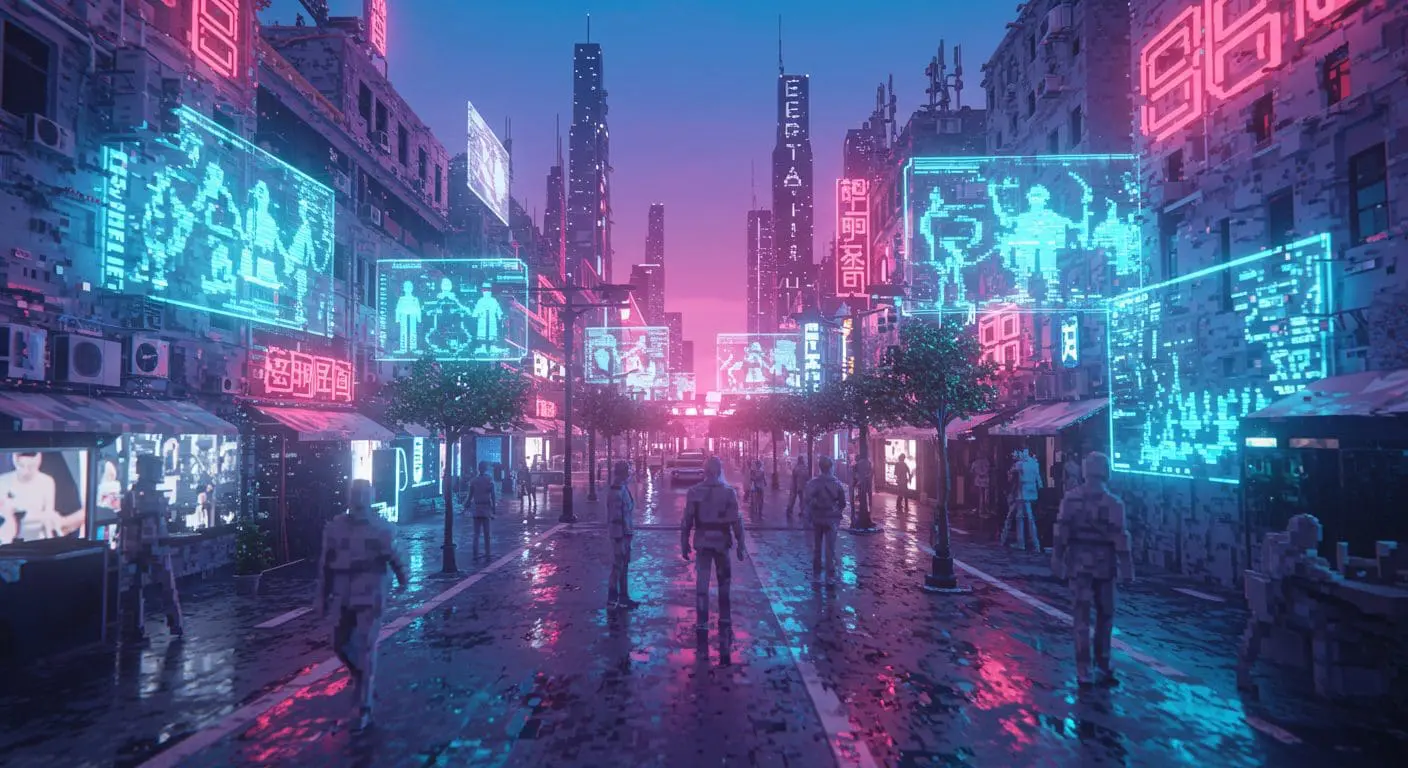
“The Matrix” trilogy explores simulation theory through film. It challenges the audience’s perceptions of reality. It also invites deeper reflection on the nature of existence. The films propose that the sensory world could be deceptive, a concept rooted in centuries-old philosophical discourse. By immersing viewers in a narrative where reality is explicitly fabricated, the trilogy acts as both entertainment and a medium for philosophical investigation. The notion that machines could simulate an entire world raises critical questions about the future of technology and humanity’s potential to create similarly immersive virtual environments.
The trilogy’s themes connect with contemporary discussions on virtual reality (VR). They also touch on artificial intelligence (AI) and the possibility of future simulated environments. The development of highly immersive VR systems and advancements in AI reinforce the plausibility of creating simulated worlds indistinguishable from reality. Elon Musk, among others, has famously speculated that the odds of living in base reality are minimal, further popularizing simulation theory. “The Matrix” continues to influence these discussions by providing a vivid depiction of a world governed by advanced simulations, reminding audiences of the ethical and existential dilemmas such technologies might pose.
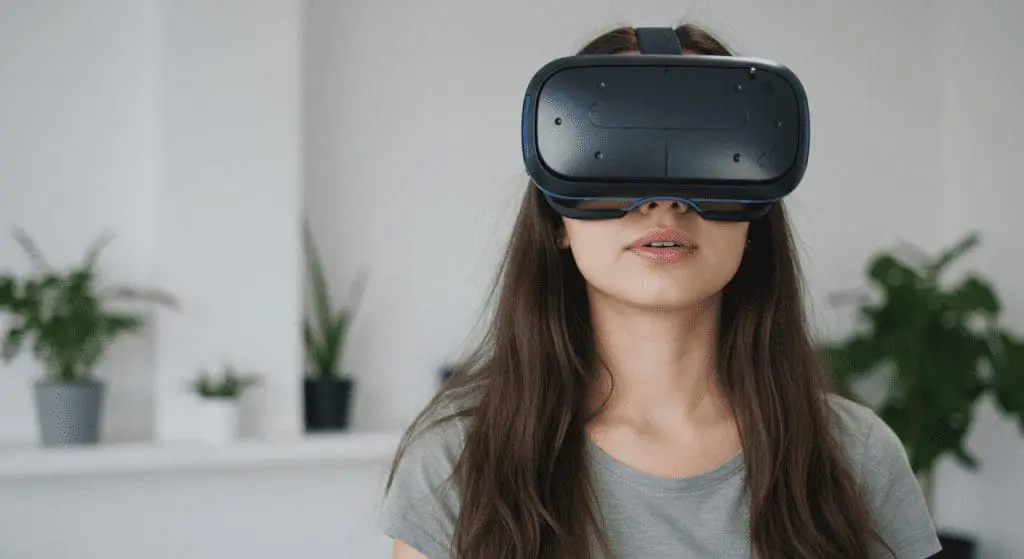
The trilogy’s impact extends beyond philosophy and into popular culture. Terms like “red pill” have entered the lexicon as metaphors for awakening to hidden truths. This reflects the enduring cultural significance of the films. This widespread influence highlights the trilogy’s key role. It shapes public understanding of simulation theory. It also presents the broader implications of living in a potentially simulated universe.
“The Matrix” trilogy intertwines entertainment with profound philosophical questions, offering a compelling exploration of simulation theory. The films depict a world where perceived reality is an illusion. This portrayal challenges viewers to question the nature of their existence. It encourages them to consider the implications of simulated environments. As technology advances, and the lines between virtual and real blur, the relevance of “The Matrix” grows. It serves as a reminder that the search for truth and the assertion of agency define the human experience. Humanity might eventually discover it exists within a simulation, or it might not. Regardless, the journey to uncover deeper truths remains central to the narrative of existence.