

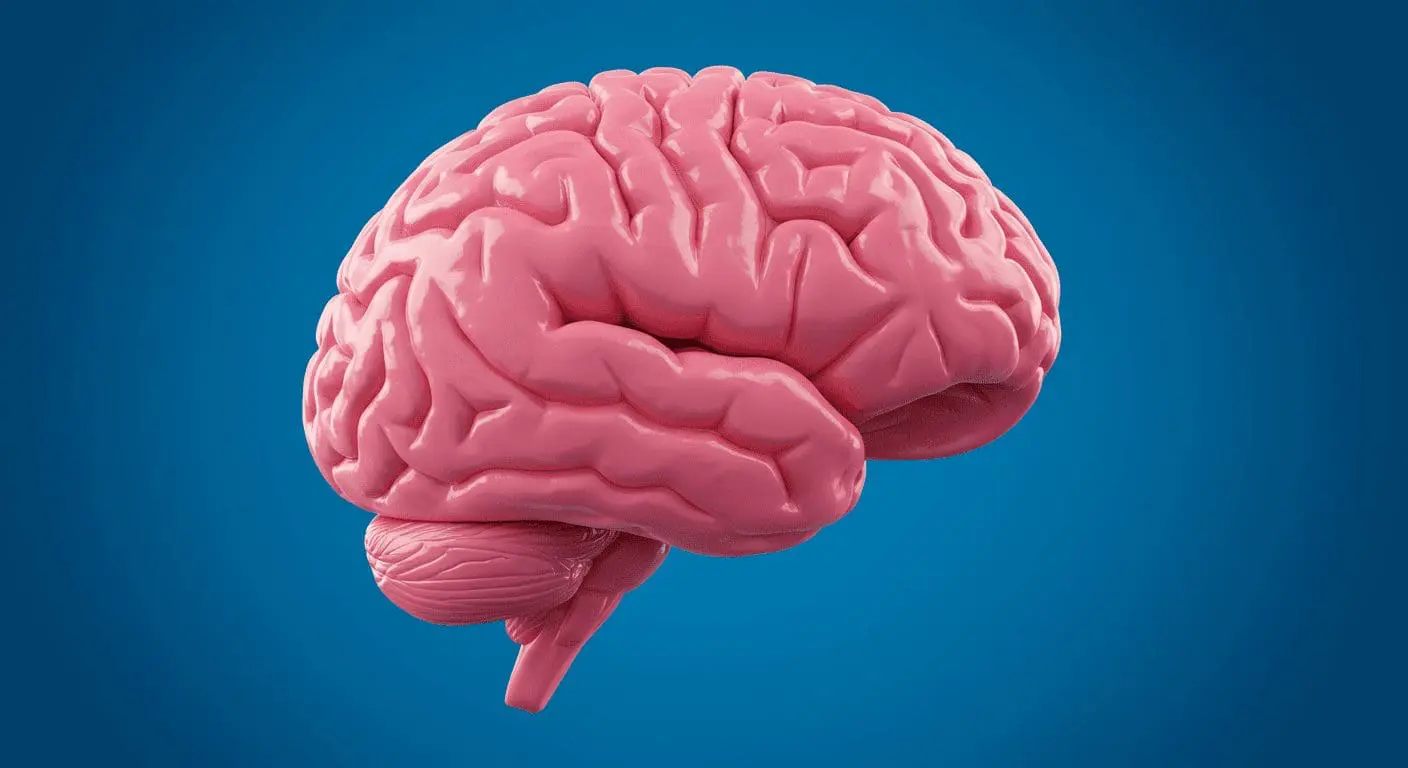
Texas A&M University engineers, including Dr. Suin Yi, have developed a new artificial intelligence system called Super-Turing AI that mimics the human brain to operate more efficiently than traditional systems. This approach integrates learning and memory processes within the same hardware, reducing the need for massive data migration and energy consumption typical of current AI architectures.
By emulating biological neural processes such as synaptic plasticity and Hebbian learning, Super-Turing AI aims to address the sustainability challenges posed by large-scale data centres while maintaining high performance. The research, published in Science Advances, highlights potential applications in creating more efficient and environmentally friendly AI systems for future use.
The Energy Crisis In AI
The energy consumption of current AI systems presents a significant challenge, with data centers requiring gigawatts of power compared to the human brain’s mere 20 watts. This stark contrast highlights the inefficiency inherent in traditional AI architectures, where training and memory processes are separated, necessitating extensive data movement and energy expenditure.
In response, Dr. Suin Yi’s team has developed Super-Turing AI, which integrates learning and memory akin to the human brain. By employing mechanisms such as Hebbian learning and spike-timing-dependent plasticity, this approach enables efficient data processing with minimal energy use, eliminating the need for extensive data transfer between separated components.
A notable test case involved a drone navigating complex environments using Super-Turing AI. The drone’s ability to learn and adapt on-the-fly demonstrated the system’s efficiency and effectiveness, showcasing its potential in real-world applications where adaptability and energy efficiency are crucial.
Looking Ahead: Sustainable AI Development
The implications of Super-Turing AI extend beyond immediate energy savings. By aligning AI architectures with biological principles, this approach could lead to more scalable and environmentally friendly technologies. It addresses current limitations in hardware and energy consumption, offering a pathway for future advancements that balance performance with sustainability.
Super-Turing AI represents a novel approach to artificial intelligence design, inspired by the efficiency of human brain processes. Unlike conventional AI systems, which separate learning and memory functions, Super-Turing AI integrates these processes, mirroring the brain’s ability to adapt and learn dynamically. This integration reduces computational overhead and energy consumption, making it a promising solution for sustainable AI development.
The system employs mechanisms such as Hebbian learning and spike-timing-dependent plasticity, which are more biologically plausible than traditional methods. These approaches enable efficient data processing with minimal energy expenditure, eliminating the need for extensive data transfer between separated components. This efficiency is demonstrated in practical applications, such as a drone navigating complex environments without prior training, showcasing the system’s adaptability and effectiveness.
The implications for future AI development are substantial. By emulating the brain’s efficiency, Super-Turing AI could lead to more sustainable technologies, addressing current challenges related to hardware limitations and environmental impact. This approach not only enhances performance but also aligns with broader goals of creating eco-friendly AI solutions.
More information
External Link: Click Here For More


