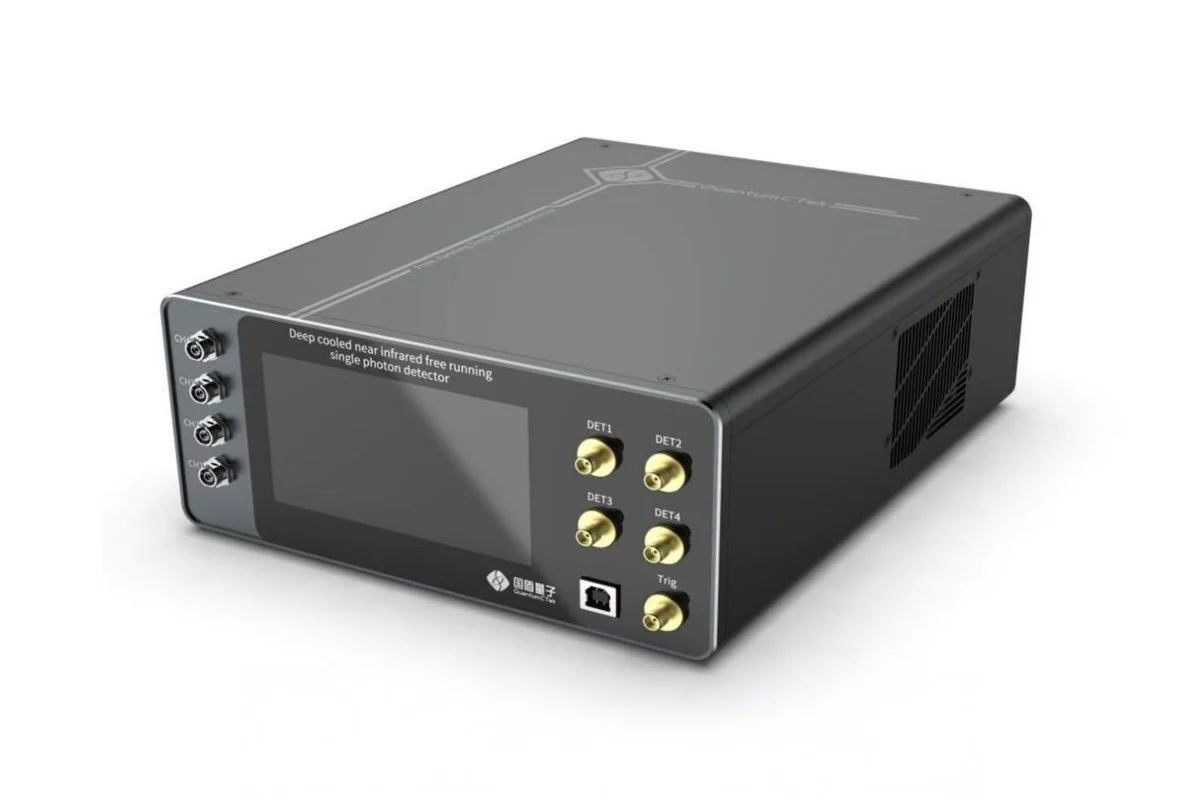
China has begun mass producing the world’s first four-channel photon detector, a groundbreaking device capable of detecting single photons, the smallest unit of energy, making it crucial for quantum communication and stealth aircraft tracking. This achievement by
Technical Innovation
China has taken a significant step forward in quantum technology by mass producing the world’s first four-channel photon detector, dubbed the “photon catcher.” According to Zhang Tong from Beijing, a leading science journalist, this breakthrough marks a crucial milestone in China’s efforts to achieve self-sufficiency and international leadership in core components for quantum information technology. The device can detect individual photons, making it an essential component in advanced technologies like quantum communication and radar systems designed to track stealth aircraft.
Building on this achievement, researchers at the Quantum Information Engineering Technology Research Centre in Anhui province have developed a single-photon detector that operates with ultra-low noise. This innovation allows for highly sensitive tracking of stealth aircraft, such as the F-22 Raptor fighter jet, which are notoriously difficult to detect due to their signature suppression technologies. The ability to track these aircraft is critical
Industry Implications
China’s mass production of the world’s first four-channel photon detector represents a significant leap in quantum technology, with far-reaching industry implications. According to Zhang Tong from Beijing, the “photon catcher” can detect individual photons, enabling advancements in areas such as quantum communication networks and stealth aircraft tracking. This breakthrough positions China at the forefront of international leadership in core components for quantum information technology, reducing reliance on foreign suppliers.
Building on this technological milestone, industry analysts predict increased adoption of quantum radar systems, which could revolutionize surveillance technologies. The detector’s capability to track even the smallest units of energy makes it invaluable for national defense and security applications, enhancing military readiness. Meanwhile, advancements in quantum communication networks could lead to more secure and efficient data transmission methods, pivotal for global information infrastructure.
The development also stimulates innovation within China’s tech ecosystem, fostering collaboration between research institutions
This development could enable China to become a global leader in quantum information technology, potentially revolutionizing industries such as communication and defense. Within five years, the technology may see