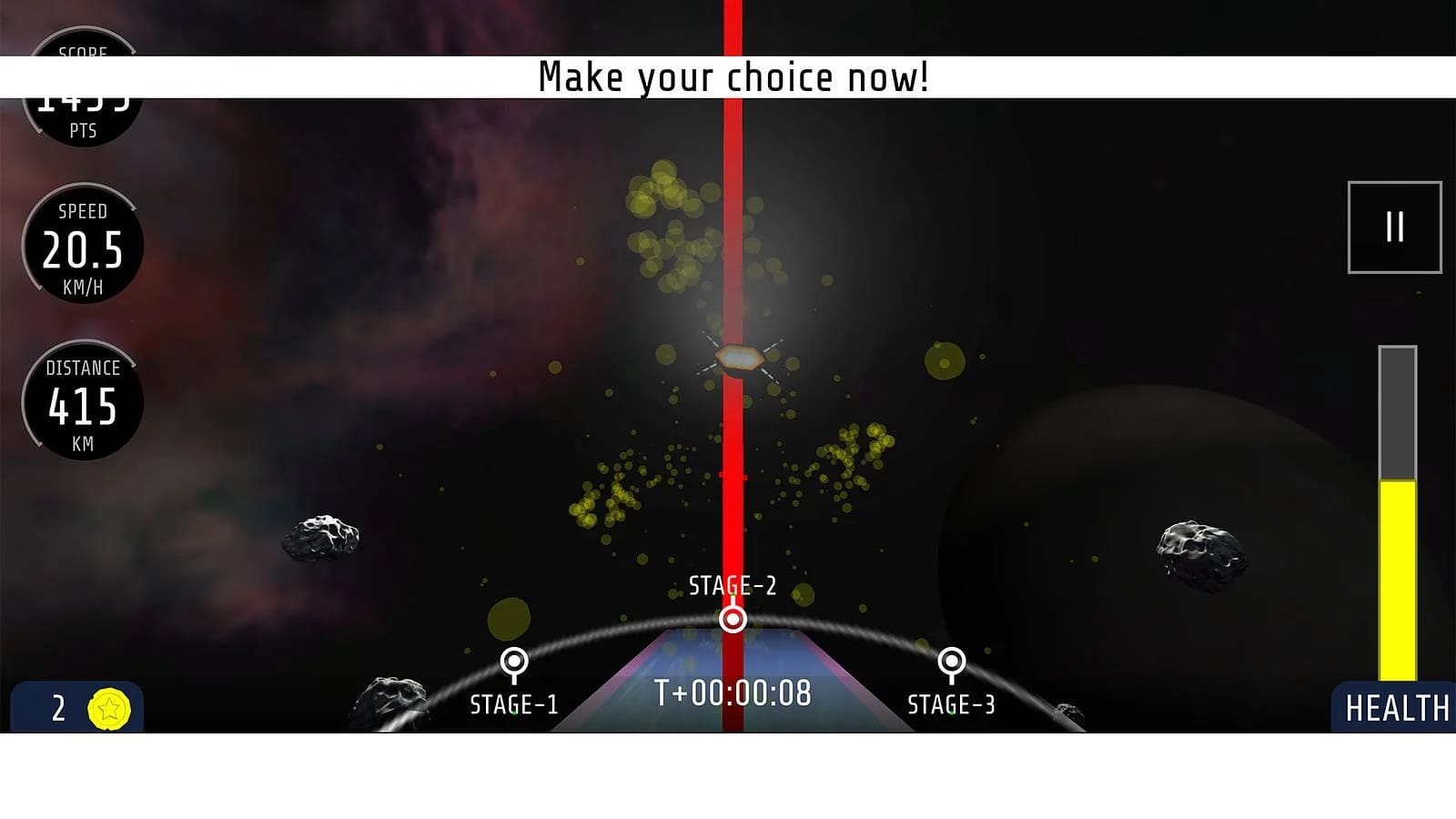
Imagine helping to steer a scientific experiment from space, now you can. A groundbreaking quantum networking mission, SEAQUE, is inviting the public to participate in its next on-orbit test aboard the International Space Station through a simple, engaging web game. This isn’t just about fun; SEAQUE is pioneering secure communications and ultra-precise sensing technologies with implications for everything from disaster relief to national defense. Boeing is a key partner in this ambitious project, and your input, gathered through gameplay, will directly shape the future of quantum technology, helping researchers unlock the potential of this revolutionary field.
SEAQUE Mission- Public Participation & Goals Quantum Networking- Technology & Applications
The SEAQUE mission isn’t simply soliciting public input, it’s leveraging collective gameplay to refine a cutting-edge quantum networking experiment currently operating aboard the International Space Station. Participants engaging with the web-based game at quantumsatellite.web.illinois.edu are, in effect, contributing real data that directly influences the configuration of SEAQUE’s next on-orbit test, a truly novel approach to space-based research. This public participation is crucial because SEAQUE aims to validate compact entangled photon sources in space and explore vital techniques for mitigating the damaging effects of radiation on sensitive quantum hardware, challenges unique to the space environment.
Beyond the immediate experiment, the mission’s long-term goals center on establishing the building blocks for a future quantum internet, promising unhackable secure communications and dramatically enhanced precision sensing capabilities. Boeing’s involvement extends beyond partnership; the company is concurrently developing Q4S, a separate, self-funded mission slated for a 2026 launch, which will focus on swapping entangled particles to facilitate the creation of global quantum networks, demonstrating a significant investment in and commitment to advancing this transformative technology. The data gathered through the public game will help researchers understand how to optimize these systems for real-world application, spanning areas like disaster response, precise timing synchronization, and enhanced space domain awareness, ultimately shaping the future of secure and highly accurate information processing.