
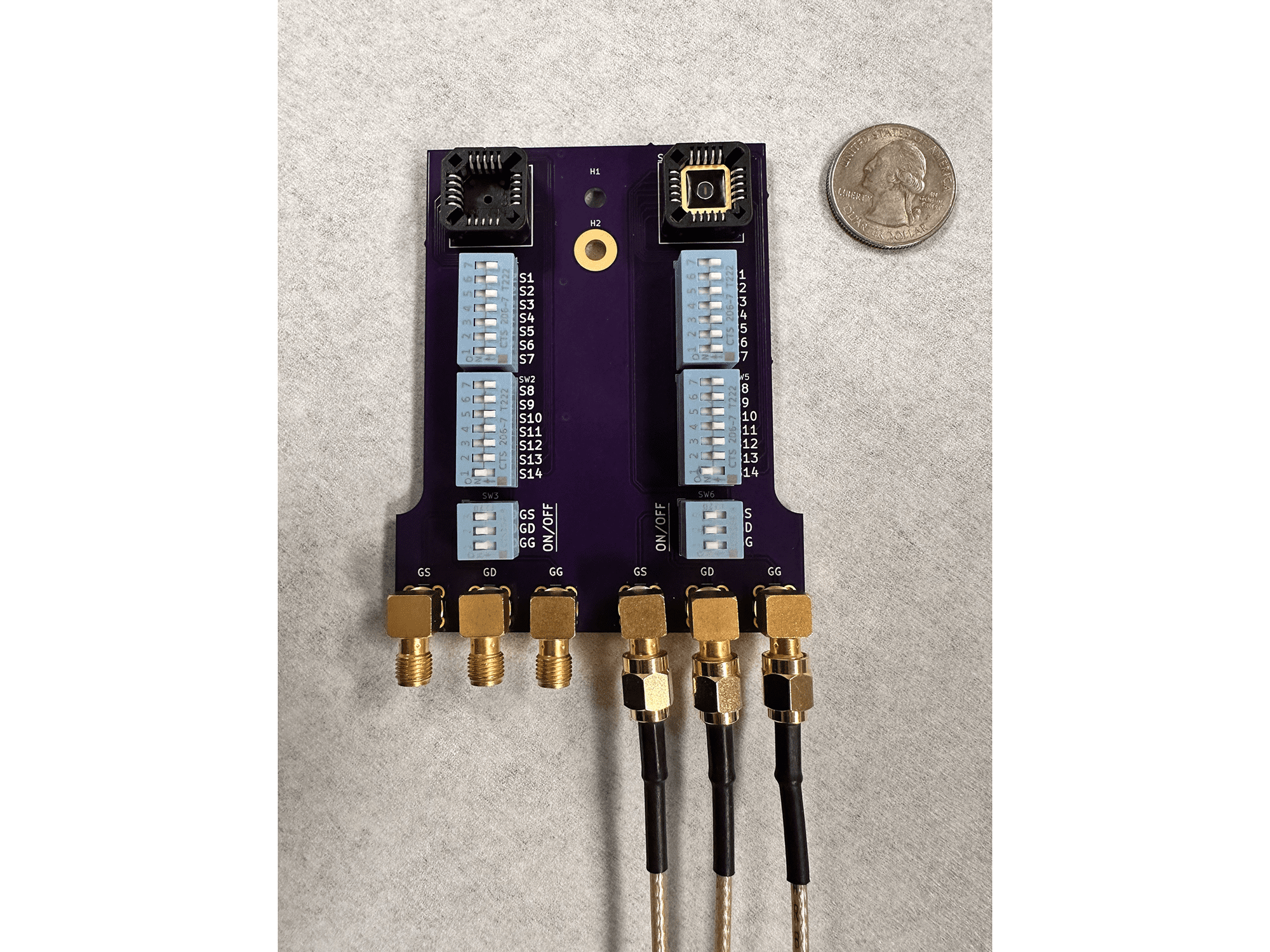
Researchers at Penn State, led by Saptarshi Das, have developed an electronic tongue that can identify various liquid samples using artificial intelligence. The device, which comprises a graphene-based ion-sensitive field-effect transistor linked to an artificial neural network, can detect differences in similar liquids, such as milk with varying water content, diverse products like soda types and coffee blends, signs of spoilage in fruit juices, and instances of food safety concerns.
When the AI was allowed to define its own assessment parameters, it could more accurately interpret the data generated by the electronic tongue, achieving a near ideal inference accuracy of over 95%. This breakthrough has provided researchers with a glimpse into how AI makes decisions, which could lead to better AI development and applications. The technology has potential uses in food safety and production, as well as medical diagnostics, according to Das and his team, including co-authors Harikrishnan Ravichandran and Andrew Pannone.
Electronic Tongue: A Novel Approach to Liquid Sample Identification using Artificial Intelligence
The development of an electronic tongue that can identify various liquid samples using artificial intelligence (AI) has opened up new possibilities for food safety and production, as well as medical diagnostics. This innovative device comprises a graphene-based ion-sensitive field-effect transistor linked to an artificial neural network, trained on various datasets. The researchers have demonstrated the ability of this electronic tongue to accurately detect samples, including watered-down milks, different types of sodas, blends of coffee, and multiple fruit juices at several levels of freshness.
Non-Functionalized Sensors for Robust Detection
A critical aspect of the electronic tongue is its non-functionalized sensors, which can detect different types of chemicals without being specifically dedicated to each potential chemical. This feature allows the device to be more practical and less expensive to manufacture. The researchers have shown that machine learning algorithms can look at all information together and still produce the right answer, even with imperfections in the sensors.
Human-Derived Parameters vs. Machine-Derived Figures of Merit
The researchers initially provided the neural network with 20 specific parameters to assess, related to how a sample liquid interacts with the sensor’s electrical properties. However, when they allowed the neural network to define its own figures of merit by providing it with raw sensor data, the accuracy of detection increased significantly. This approach uses game theory to assign values to the data under consideration, giving insight into the neural network’s decision-making process.
Reverse Engineering the Neural Network’s Decision-Making Process
By using Shapley additive explanations, the researchers could reverse engineer an understanding of how the neural network weighed various components of the sample to make a final determination. This approach revealed that the neural network considered the data it determined were most important together, rather than simply assessing individual human-assigned parameters.
Implications for Food Safety and Medical Diagnostics
The electronic tongue’s capabilities are limited only by the data on which it is trained, making it a versatile tool with potential applications in food safety and medical diagnostics. The device can determine the varying water content of milk and identify indicators of degradation that may be considered a food safety issue. Similarly, its robustness provides a path forward for broad deployment in different industries.
The development of an electronic tongue using artificial intelligence has opened up new possibilities for liquid sample identification. Its non-functionalized sensors, ability to define its own figures of merit, and robust decision-making process make it a practical and effective tool with potential applications in food safety and medical diagnostics.
External Link: Click Here For More