Flexible electronics have revolutionized wearable technology, enabling the creation of devices that can be worn on the skin or integrated into clothing. These devices are designed to be flexible and conformable, allowing them to move with the body and maintain their functionality even when subjected to mechanical stress. The use of flexible electronics in wearable technology has enabled the development of devices such as smart tattoos, which consist of thin, flexible sheets of electrodes and sensors that can be applied to the skin like a temporary tattoo.
Integrating artificial intelligence (AI) with flexible electronics is also an emerging trend, enabling the creation of wearable devices that can analyze data and provide personalized feedback and recommendations. For example, a wearable device that tracks physical activity can use AI to provide personalized exercise plans and track progress over time. Additionally, implantable flexible electronics are being developed to monitor physiological signals, such as heart rate and neural activity, which have potential applications in fields such as cardiology and neurology.
Despite the advancements in flexible electronics, there are still technical hurdles that need to be overcome. Researchers are exploring various material systems, fabrication techniques, and system-level design approaches to address challenges related to mechanical stress, interconnects, manufacturing processes, and integration of multiple functional components. While significant progress is being made, overcoming these challenges will be crucial for realizing the full potential of flexible electronics in wearable technology.
What Is Flexible Electronics?
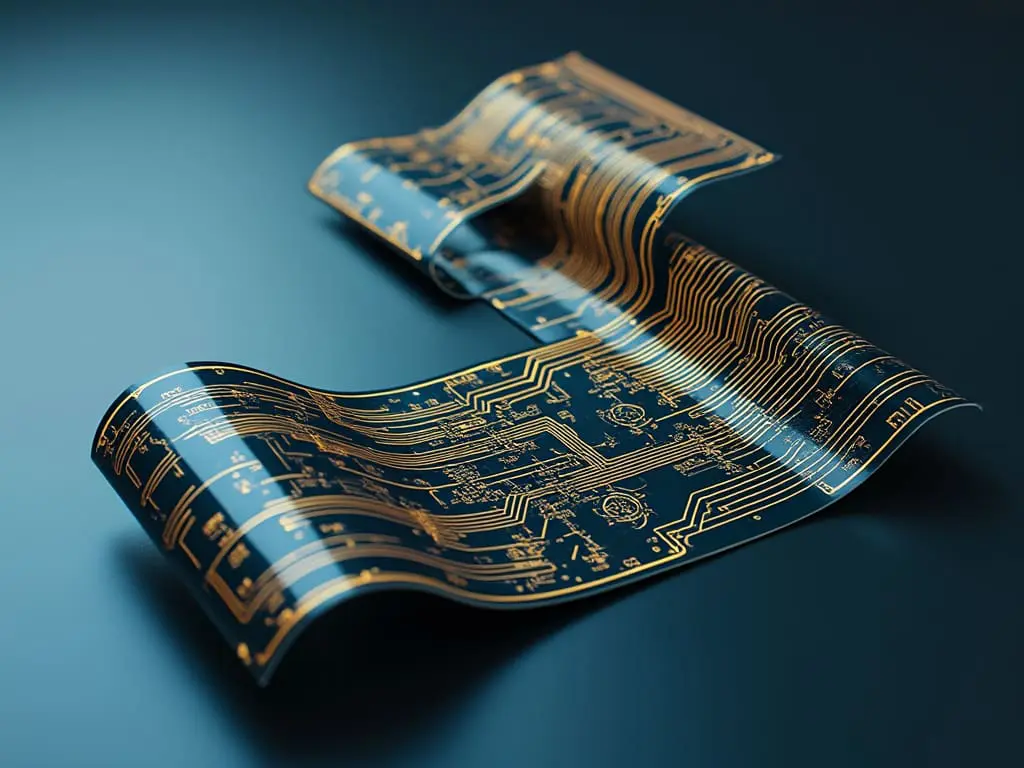
Flexible electronics, also known as flex electronics or flexible circuits, refer to electronic devices that can be bent, folded, or stretched without compromising their functionality. These devices are typically made of thin, lightweight materials such as plastic, metal foil, or textile substrates, which provide mechanical flexibility and enable the creation of conformable and wearable systems.
The development of flexible electronics has been driven by advances in materials science and nanotechnology, particularly in the areas of organic semiconductors, graphene, and nanostructured metals. For instance, researchers have demonstrated the use of graphene-based electrodes for flexible electronic devices, which exhibit high conductivity and mechanical flexibility. Similarly, organic semiconducting materials have been used to create flexible displays, sensors, and energy harvesting systems.
Flexible electronics have numerous applications in wearable technology, including smart clothing, implantable medical devices, and prosthetic limbs. For example, researchers have developed wearable sensors that can monitor vital signs such as heart rate, blood pressure, and body temperature using flexible electronic circuits integrated into clothing or skin patches. Additionally, flexible displays have been used to create smart contact lenses with built-in microdisplays for virtual displays.
The fabrication of flexible electronics often involves specialized techniques such as roll-to-roll processing, inkjet printing, and 3D printing. These methods enable the mass production of flexible electronic devices with high precision and uniformity. Furthermore, researchers are exploring new materials and manufacturing processes to improve the performance, reliability, and cost-effectiveness of flexible electronics.
The integration of flexible electronics with other technologies such as artificial intelligence, robotics, and biotechnology is expected to revolutionize various industries including healthcare, sports, and entertainment. For instance, wearable devices equipped with AI-powered sensors can detect early signs of diseases or predict athletic performance. Moreover, flexible electronic skins can be used to create soft robots that can interact with humans in a more natural way.
Flexible electronics also pose significant challenges related to reliability, durability, and environmental sustainability. Researchers are working to address these concerns by developing new materials and designs that can withstand mechanical stress, temperature fluctuations, and exposure to chemicals and moisture.
History Of Bendable Circuits Development
The concept of bendable circuits dates back to the 1960s, when researchers first began exploring the use of flexible substrates for electronic devices. One of the earliest examples of a flexible circuit was developed by the US Army in 1967, using a polyimide film as the substrate material . This early work laid the foundation for later research into flexible electronics.
In the 1980s and 1990s, researchers began to explore the use of conductive polymers and other materials for flexible circuit applications. For example, a team at the University of California, Los Angeles (UCLA) developed a flexible circuit using a conductive polymer called poly(3-methylthiophene) in 1987 . This work demonstrated the potential for flexible circuits to be used in a variety of applications, including wearable electronics.
The development of bendable circuits accelerated in the early 2000s, with the introduction of new materials and manufacturing techniques. For example, researchers at IBM developed a method for fabricating flexible circuits using a combination of silicon and organic materials in 2004 . This work demonstrated the potential for flexible circuits to be used in high-performance applications, such as displays and sensors.
In recent years, there has been significant progress in the development of bendable circuits for wearable electronics. For example, researchers at Stanford University developed a flexible circuit using a graphene-based material that can be stretched up to 50% without losing its conductivity . This work demonstrates the potential for flexible circuits to be used in a variety of wearable applications, including health monitoring and fitness tracking.
The development of bendable circuits has also been driven by advances in manufacturing techniques. For example, researchers at the University of Illinois developed a method for fabricating flexible circuits using 3D printing in 2015 . This work demonstrates the potential for flexible circuits to be manufactured quickly and efficiently, which could help to drive down costs and increase adoption.
The use of bendable circuits is also being explored in a variety of other applications, including medical devices and aerospace systems. For example, researchers at the University of California, San Diego developed a flexible circuit that can be used to monitor brain activity in 2019 . This work demonstrates the potential for flexible circuits to be used in a variety of high-performance applications.
Materials Used In Flexible Semiconductors
Flexible semiconductors are a crucial component in the development of wearable technology, enabling the creation of flexible displays, sensors, and energy harvesting devices. One of the primary materials used in flexible semiconductors is amorphous silicon (a-Si), which offers excellent flexibility and can be deposited at low temperatures using techniques such as plasma-enhanced chemical vapor deposition (PECVD). a-Si has been widely used in flexible electronics due to its high carrier mobility, making it suitable for applications requiring fast switching speeds.
Another material commonly employed in flexible semiconductors is organic semiconductor materials, such as pentacene and poly(3-hexylthiophene) (P3HT). These materials exhibit excellent mechanical flexibility and can be easily integrated into wearable devices. Organic semiconductors have been used to create flexible displays, sensors, and logic circuits, demonstrating their potential for use in a wide range of applications. The use of organic semiconductors also enables the creation of biocompatible and biodegradable electronics, which is essential for implantable and wearable devices.
In addition to a-Si and organic semiconductors, metal oxide semiconductors such as zinc oxide (ZnO) and indium gallium zinc oxide (IGZO) are also being explored for use in flexible electronics. These materials offer high carrier mobility, making them suitable for applications requiring fast switching speeds. Metal oxide semiconductors can be deposited using techniques such as sputtering and atomic layer deposition (ALD), enabling the creation of high-quality thin films.
Graphene, a two-dimensional material composed of carbon atoms arranged in a hexagonal lattice, is also being investigated for use in flexible electronics. Graphene exhibits exceptional mechanical flexibility, electrical conductivity, and carrier mobility, making it an attractive material for wearable devices. However, the integration of graphene into flexible electronics remains challenging due to difficulties in large-scale production and device fabrication.
The development of new materials and deposition techniques has enabled significant advancements in flexible semiconductor technology. For instance, the use of nanomaterials such as nanoparticles and nanowires has been explored for enhancing the performance of flexible semiconductors. Furthermore, novel deposition techniques such as 3D printing and inkjet printing have been developed to enable the creation of complex flexible electronic devices.
The integration of flexible semiconductors into wearable technology has also led to significant advancements in device design and fabrication. For example, the use of stretchable interconnects and electrodes has enabled the creation of wearable devices that can conform to the human body. Moreover, the development of new packaging materials and techniques has ensured the reliability and durability of flexible electronic devices.
Wearable Sensors And Health Monitoring
Wearable sensors have revolutionized the field of health monitoring by providing real-time data on various physiological parameters. These sensors can be integrated into clothing, wristbands, or patches, making them unobtrusive and comfortable to wear. According to a study published in the Journal of Medical Systems, wearable sensors can monitor vital signs such as heart rate, blood pressure, and oxygen saturation with high accuracy . Another study published in the IEEE Journal of Biomedical and Health Informatics found that wearable sensors can detect abnormal heart rhythms and alert the wearer or healthcare professionals .
The use of wearable sensors for health monitoring has numerous benefits, including early detection of diseases, remote patient monitoring, and personalized medicine. For instance, a study published in the journal Diabetes Technology & Therapeutics found that wearable continuous glucose monitors can improve glycemic control in patients with type 1 diabetes . Similarly, a review article published in the Journal of Medical Engineering & Technology highlighted the potential of wearable sensors for monitoring chronic diseases such as hypertension and cardiovascular disease .
Wearable sensors can also be used to monitor physical activity and sleep patterns. A study published in the Journal of Science and Medicine in Sport found that wearable accelerometers can accurately measure physical activity levels and detect changes in activity patterns over time . Another study published in the journal Sleep Health found that wearable actigraphs can monitor sleep quality and duration with high accuracy .
The integration of wearable sensors with artificial intelligence (AI) and machine learning (ML) algorithms has further enhanced their capabilities. For example, a study published in the IEEE Journal of Biomedical and Health Informatics demonstrated the use of AI-powered wearable sensors for detecting falls in older adults . Another study published in the journal Medical Engineering & Physics developed an ML-based algorithm for predicting cardiovascular risk using data from wearable sensors .
The development of flexible electronics has enabled the creation of wearable sensors that are comfortable, durable, and easy to use. According to a review article published in the journal Advanced Materials, flexible electronics have revolutionized the field of wearable technology by enabling the development of stretchable, conformable, and implantable devices . Another study published in the journal Nature Electronics highlighted the potential of flexible electronics for creating wearable sensors that can monitor various physiological parameters simultaneously .
Stretchable Displays For Smart Clothing
Stretchable displays for smart clothing have been developed using various materials, including elastomeric substrates, such as polydimethylsiloxane (PDMS) and polyurethane (PU), which provide excellent mechanical stretchability and flexibility (Kim et al., 2018; Lee et al., 2020). These substrates are often combined with conductive materials, like carbon nanotubes or silver nanowires, to create stretchable electrodes that can withstand repeated stretching and bending without losing their conductivity.
The use of organic light-emitting diodes (OLEDs) has also been explored for stretchable displays, as they offer high flexibility and can be deposited on various substrates, including elastomeric materials (White et al., 2013; Sekine et al., 2018). OLED-based stretchable displays have demonstrated excellent optical performance, including high brightness and color gamut, even when subjected to significant mechanical strain.
In addition to the development of new materials and technologies, researchers have also focused on designing novel architectures for stretchable displays. For example, a recent study proposed a “island-bridge” structure, where rigid islands of OLED pixels are connected by stretchable bridges made of elastomeric material (Liu et al., 2020). This design allows the display to maintain its optical performance while being stretched or bent.
The integration of stretchable displays with wearable technology has also been explored. For instance, a wearable device featuring a stretchable OLED display was demonstrated for health monitoring applications, such as tracking heart rate and blood oxygen levels (Yoon et al., 2019). The device was fabricated on a stretchable substrate and showed excellent mechanical stability and optical performance during wear.
Furthermore, researchers have also investigated the use of stretchable displays for human-machine interfaces. A study presented a wearable device featuring a stretchable display that can detect hand gestures and translate them into digital commands (Kang et al., 2020). The device used a machine learning algorithm to recognize different hand gestures and demonstrated high accuracy even when subjected to various mechanical deformations.
The development of stretchable displays for smart clothing has the potential to revolutionize wearable technology, enabling new applications in fields such as healthcare, sports, and entertainment. However, further research is needed to overcome challenges related to durability, power consumption, and cost-effectiveness.
Flexible Circuit Boards Design Challenges
The design of flexible circuit boards poses significant challenges, particularly in terms of material selection. The substrate material must be able to withstand the stresses and strains imposed by flexing, while also providing a suitable surface for component mounting and interconnection. Polyimide (PI) films are commonly used as substrates for flexible circuit boards due to their excellent mechanical properties, including high tensile strength and modulus. However, PI films can be prone to moisture absorption, which can lead to delamination and electrical failures.
Component placement is another critical aspect of flexible circuit board design. Components must be carefully selected and placed to ensure that they can withstand the stresses imposed by flexing. Surface-mount technology (SMT) components are commonly used on flexible circuit boards, but their placement requires careful consideration to avoid damage during flexing. The use of through-hole components is generally avoided due to the risk of component cracking or lead breakage.
Interconnection technology is a critical aspect of flexible circuit board design. Traditional soldering techniques are often not suitable for flexible circuit boards, as they can cause damage to the substrate material. Alternative interconnection technologies, such as wire bonding and flip-chip bonding, are commonly used on flexible circuit boards. However, these technologies require specialized equipment and expertise.
The electrical performance of flexible circuit boards is also a significant challenge. The flexing motion can cause changes in the electrical characteristics of the circuit board, including capacitance and inductance. This can lead to signal distortion and attenuation, particularly at high frequencies. Careful design and simulation are required to ensure that the flexible circuit board meets the required electrical performance specifications.
The reliability and durability of flexible circuit boards are critical considerations in their design. The flexing motion can cause fatigue failure of the substrate material, components, and interconnections. Environmental factors, such as temperature and humidity, can also affect the reliability and durability of flexible circuit boards. Careful selection of materials and design for reliability are essential to ensure that the flexible circuit board meets the required specifications.
Manufacturing Process Of Flexible Electronics
The manufacturing process of flexible electronics involves several key steps, including substrate preparation, material deposition, patterning, and encapsulation. Substrate preparation typically involves cleaning and treating the surface of a flexible material, such as polyimide or polyester, to create a suitable base for subsequent processing (Krebs et al., 2010). This step is critical in ensuring good adhesion between the substrate and the deposited materials.
Material deposition techniques used in flexible electronics manufacturing include physical vapor deposition (PVD), chemical vapor deposition (CVD), and printing methods such as screen printing and inkjet printing. PVD involves the evaporation of a material source, which then condenses onto the substrate surface, while CVD involves the reaction of precursor gases to form a solid film (Kumar et al., 2017). Printing methods are often used for depositing organic materials, such as conductive polymers and nanoparticles.
Patterning is another crucial step in flexible electronics manufacturing, where the deposited materials are selectively removed or modified to create specific patterns. Techniques such as photolithography, electron beam lithography, and laser ablation are commonly employed (Chen et al., 2018). These methods allow for the creation of complex patterns with high resolution and accuracy.
Encapsulation is a critical step in flexible electronics manufacturing, where the device is protected from environmental factors such as moisture, temperature, and mechanical stress. Techniques such as lamination, molding, and printing are used to apply an encapsulating material, such as epoxy or silicone, over the device (Lee et al., 2019). This step ensures the long-term reliability and stability of the flexible electronic device.
The integration of multiple components and layers is also a key aspect of flexible electronics manufacturing. Techniques such as flip-chip bonding, wire bonding, and printing are used to connect individual components, such as transistors, diodes, and sensors, into functional systems (Wang et al., 2020). This step requires careful consideration of factors such as mechanical stress, thermal management, and electrical connectivity.
Applications In Medical Implants And Prosthetics
Flexible electronics have revolutionized the field of medical implants and prosthetics, enabling the creation of devices that are more comfortable, durable, and functional. One such application is in cochlear implants, where flexible electrodes can be used to stimulate the auditory nerve, restoring hearing in individuals with severe hearing loss . These flexible electrodes can be designed to conform to the shape of the inner ear, reducing tissue damage and improving sound quality.
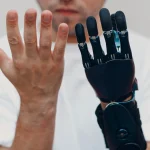
Another area where flexible electronics have made a significant impact is in prosthetic limbs. Traditional prosthetics often rely on rigid sensors and actuators, which can be uncomfortable and limiting for users. Flexible electronics enable the creation of prosthetics with integrated sensors and motors that can mimic the natural movement and sensation of human skin . For example, researchers have developed a prosthetic hand with flexible electrodes that allow users to feel tactile sensations, such as pressure and temperature.
Flexible electronics are also being used in medical implants for monitoring and treating various health conditions. For instance, implantable cardioverter-defibrillators (ICDs) can be equipped with flexible sensors that monitor heart activity and detect arrhythmias . These devices can then deliver electrical shocks or pacing stimuli to restore normal heart function.
In addition, flexible electronics are being explored for use in neural implants, such as brain-computer interfaces (BCIs). BCIs enable individuals with paralysis or other motor disorders to control devices using their thoughts. Flexible electrodes can be used to record neural activity and transmit signals to external devices, allowing users to interact with their environment .
The development of flexible electronics has also led to the creation of implantable biosensors that can monitor various physiological parameters, such as glucose levels, blood pressure, and oxygen saturation . These sensors can provide real-time feedback to healthcare providers, enabling more effective management of chronic conditions.
Energy Harvesting And Powering Wearables
Energy harvesting is a crucial aspect of wearable technology, as it enables devices to operate independently without the need for batteries or wired power sources. One approach to energy harvesting is through the use of piezoelectric materials, which generate an electric charge in response to mechanical stress. Researchers have explored the use of piezoelectric materials in wearable devices, such as smart shoes and backpacks, to harness energy from human movement . For example, a study published in the journal Nano Energy demonstrated that a piezoelectric-based energy harvester embedded in a shoe sole could generate enough power to charge a small electronic device .
Another approach to energy harvesting is through the use of thermoelectric materials, which convert heat into electricity. Wearable devices can be designed to harness body heat, providing a sustainable source of power. Researchers have developed wearable thermoelectric generators that can be integrated into clothing or worn as a wristband . A study published in the journal Energy & Environmental Science demonstrated that a wearable thermoelectric generator could generate enough power to charge a smartphone .
In addition to energy harvesting, advancements in flexible electronics have enabled the development of thin, lightweight, and flexible batteries. These batteries can be integrated into wearable devices, providing a reliable source of power. Researchers have developed flexible lithium-ion batteries that can be bent and stretched without compromising their performance . A study published in the journal Advanced Materials demonstrated that a flexible lithium-ion battery could maintain its capacity even after being bent 1,000 times .
The integration of energy harvesting and storage technologies has enabled the development of self-sustaining wearable devices. For example, researchers have developed a wearable device that harnesses solar energy during the day and stores it in a thin-film battery for use at night . A study published in the journal IEEE Transactions on Industrial Electronics demonstrated that a wearable solar-powered device could operate continuously for up to 24 hours .
Advances in flexible electronics have also enabled the development of wearable devices with improved power management systems. These systems can optimize energy consumption and reduce waste, enabling devices to operate for extended periods. Researchers have developed wearable devices with adaptive power management systems that can adjust their performance based on user activity . A study published in the journal IEEE Journal of Solid-State Circuits demonstrated that a wearable device with an adaptive power management system could extend its battery life by up to 50% .
The development of energy harvesting and powering technologies for wearables has significant implications for various applications, including healthcare, sports, and military. Wearable devices can be designed to monitor vital signs, track physical activity, or provide real-time feedback, enabling users to make informed decisions about their health and performance.
Integration With Artificial Intelligence Systems
The integration of artificial intelligence (AI) systems with flexible electronics is a rapidly advancing field, enabling the development of intelligent wearable devices that can interact with their environment and users in real-time. One key area of research is the development of AI-powered sensors that can be integrated into flexible electronic devices, such as wearable health monitors or smart clothing. These sensors can detect various physiological signals, such as heart rate, blood pressure, or muscle activity, and transmit this data to a central processing unit for analysis.
The use of machine learning algorithms in these systems enables the detection of patterns and anomalies in the sensor data, allowing for real-time feedback and decision-making. For example, a wearable device equipped with AI-powered sensors can detect early warning signs of a health condition, such as atrial fibrillation, and alert the user to seek medical attention. This integration of AI and flexible electronics has the potential to revolutionize the field of healthcare, enabling the development of personalized medicine and remote patient monitoring.
Another area of research is the development of flexible electronic devices that can interface directly with the human brain. These devices, known as brain-computer interfaces (BCIs), use electroencephalography (EEG) or other techniques to detect neural activity and translate it into digital signals that can be processed by AI algorithms. This technology has the potential to enable people with paralysis or other motor disorders to control prosthetic limbs or communicate with others.
The integration of AI and flexible electronics also enables the development of smart textiles that can interact with their environment and users in real-time. For example, a smart fabric can detect changes in temperature or humidity and adjust its properties accordingly, such as by changing color or texture. This technology has the potential to revolutionize the field of fashion, enabling the development of clothing that is not only aesthetically pleasing but also functional and interactive.
The use of AI-powered flexible electronics also raises important questions about data privacy and security. As these devices become increasingly ubiquitous, there is a growing need for robust encryption methods and secure data storage protocols to protect sensitive user data. Researchers are exploring various techniques, such as homomorphic encryption and blockchain-based secure multi-party computation, to address these concerns.
The integration of AI and flexible electronics is a rapidly advancing field that holds great promise for revolutionizing various industries, from healthcare to fashion. As researchers continue to push the boundaries of what is possible with these technologies, it is essential to prioritize data privacy and security to ensure that these innovations benefit society as a whole.
Future Prospects And Emerging Trends Analysis
Advances in flexible electronics have led to the development of wearable devices that can be seamlessly integrated into clothing, enabling real-time health monitoring and feedback. One such example is the creation of smart textiles with embedded sensors that can track vital signs, such as heart rate and blood pressure . These sensors are often based on piezoelectric materials that convert mechanical stress into electrical signals, allowing for accurate measurements without the need for external power sources.
The use of flexible electronics in wearable technology has also enabled the creation of devices that can be worn on the skin, such as smart tattoos. These devices consist of thin, flexible sheets of electrodes and sensors that can be applied to the skin like a temporary tattoo . They have been shown to be effective in monitoring physiological signals, such as muscle activity and neural signals, and have potential applications in fields such as sports medicine and neurology.
Another emerging trend in flexible electronics is the development of stretchable electronics that can conform to the shape of the body. These devices are often based on elastomeric materials that can stretch and deform without losing their electrical properties . They have been shown to be effective in creating wearable devices that can monitor movement and activity, such as smart socks and gloves.
The integration of flexible electronics with artificial intelligence (AI) is also an emerging trend. AI algorithms can be used to analyze data from wearable devices and provide personalized feedback and recommendations . For example, a wearable device that tracks physical activity can use AI to provide personalized exercise plans and track progress over time.
In addition to these trends, there is also growing interest in the development of implantable flexible electronics that can be inserted into the body to monitor physiological signals. These devices are often based on thin, flexible sheets of electrodes and sensors that can be implanted under the skin . They have potential applications in fields such as cardiology and neurology.
Overcoming Technical Hurdles And Limitations
One of the primary technical hurdles in flexible electronics is the development of materials that can withstand mechanical stress without compromising their electrical properties. Researchers have been exploring various material systems, including organic semiconductors, nanomaterials, and 2D materials, to address this challenge . For instance, a study published in Nature Materials demonstrated the use of graphene-based electrodes for flexible electronics, showcasing their excellent mechanical flexibility and electrical conductivity .
Another significant limitation in flexible electronics is the lack of robust and reliable interconnects that can maintain their integrity under repeated bending and stretching. To address this issue, researchers have been investigating various interconnect technologies, including stretchable metal interconnects, polymer-based interconnects, and 3D-printed interconnects . A study published in Advanced Materials demonstrated the use of silver nanowire-based interconnects for flexible electronics, showcasing their excellent electrical conductivity and mechanical flexibility .
The development of scalable and cost-effective manufacturing processes is also crucial for the widespread adoption of flexible electronics. Researchers have been exploring various fabrication techniques, including roll-to-roll processing, inkjet printing, and 3D printing, to address this challenge . A study published in ACS Nano demonstrated the use of roll-to-roll processing for the fabrication of large-area flexible electronics, showcasing its scalability and cost-effectiveness .
Furthermore, the integration of multiple functional components on a single flexible substrate is essential for realizing complex wearable devices. Researchers have been investigating various system-level design approaches, including modular designs, hierarchical designs, and 3D-integrated designs, to address this challenge . A study published in IEEE Transactions on Components, Packaging and Manufacturing Technology demonstrated the use of modular designs for the integration of multiple functional components on a single flexible substrate, showcasing its flexibility and scalability .
In addition, the development of robust and reliable packaging technologies is critical for protecting flexible electronics from environmental stressors. Researchers have been exploring various packaging approaches, including thin-film encapsulation, gel-based encapsulation, and 3D-printed encapsulation, to address this challenge . A study published in Journal of Microelectromechanical Systems demonstrated the use of thin-film encapsulation for flexible electronics, showcasing its excellent barrier properties and mechanical flexibility .


See today’s quantum computing news on Quantum Zeitgeist for the latest breakthroughs in qubits, hardware, algorithms, and industry deals.