The Internet Browser Netscape Navigator and Sony MiniDisc Players are two examples of groundbreaking technologies that have become obsolete. Other notable mentions include PalmPilots, which were popular personal digital assistants in the 1990s but have since been replaced by smartphones. Similarly, dial-up internet connections, once a staple of online access, have given way to faster and more reliable broadband connections.
Other digital innovations from the past that we no longer use include beepers, also known as pagers, which were used to receive short messages before cell phones became widespread. Cloud storage and USB drives have replaced floppy disks, which were once a common method for storing and transferring data. Additionally, VHS tapes, popular for recording and playing back video content, have given way to digital streaming services.
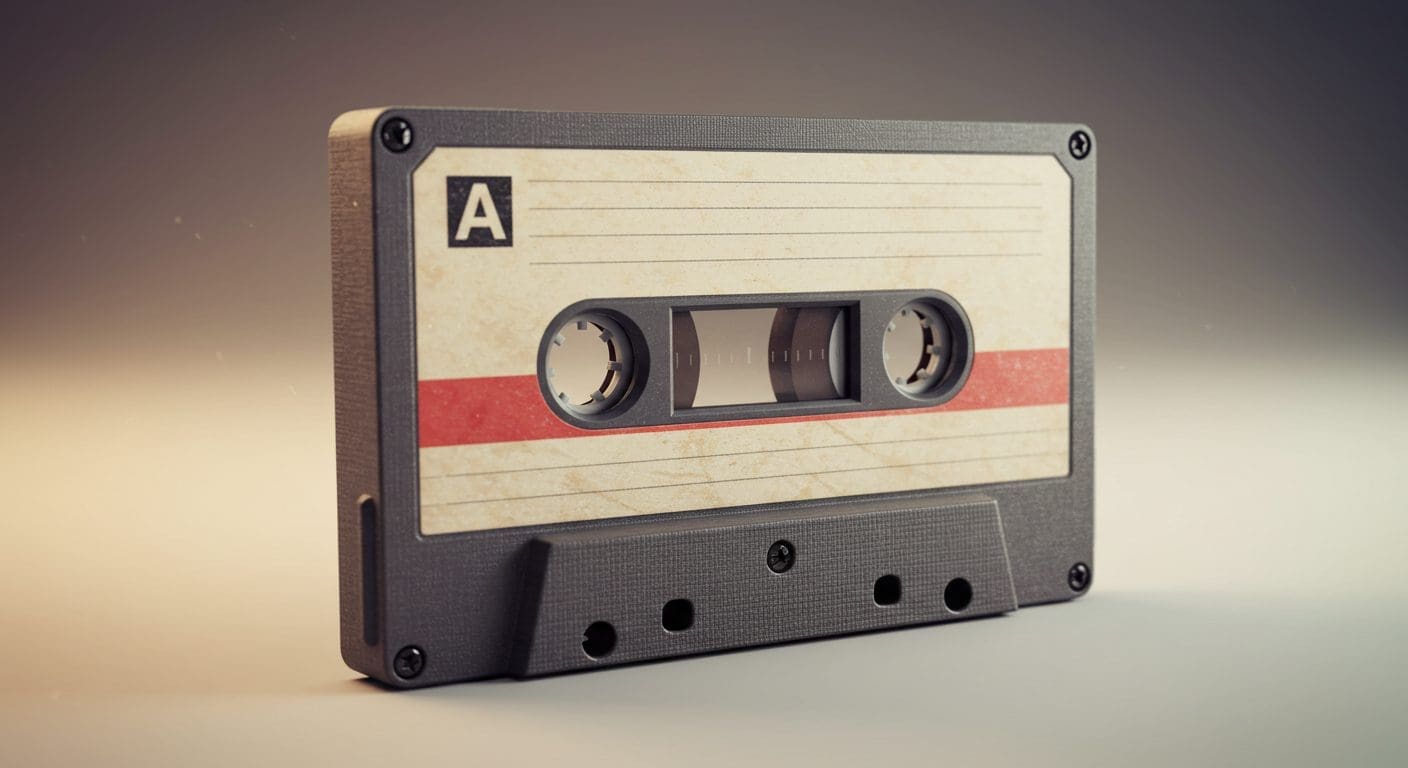
Lastly, other notable mentions include Encarta CDs, which provided offline access to encyclopedic information before the rise of online search engines like Google. Similarly, Myspace, one of the first major social networking sites, has been primarily replaced by Facebook and other platforms. Finally, once a popular music listening format, cassette tapes have given way to digital formats like MP3s and streaming services.
First Generation Mobile Phones
The first-generation mobile phones, also known as 0G or pre-cellular mobile phones, were the earliest form of mobile communication devices. These phones used radio waves to connect calls and were typically mounted in vehicles due to their large size and weight. The first commercially available mobile phone was the Motorola DynaTAC 8000X, released in 1983, which weighed approximately 2 pounds and had a length of 9 inches.
The technology behind these early mobile phones was based on analog radio communication systems, where voice signals were transmitted over radio waves using amplitude modulation (AM) or frequency modulation (FM). The phones used a combination of antennas, amplifiers, and filters to transmit and receive signals. However, the coverage area was limited, and calls could be easily intercepted due to the lack of encryption.
The first generation mobile phones had several limitations, including poor voice quality, low capacity for simultaneous calls, and high power consumption. Additionally, these phones were expensive, with prices ranging from $3,000 to $4,000, making them inaccessible to the general public. Despite these limitations, the introduction of the first generation mobile phones marked the beginning of a new era in wireless communication.
The development of the first generation mobile phones involved several key players, including Martin Cooper, an engineer at Motorola who led the team that developed the DynaTAC 8000X. Cooper made the first public call on a handheld mobile phone in 1973, calling a rival telecommunications company to declare that he was speaking from a cell phone.
The impact of the first generation mobile phones on society was significant, as they enabled people to make and receive calls while on the move. This technology also paved the way for the development of subsequent generations of mobile phones, including digital cellular networks and smartphones.
The transition from analog to digital technology in mobile phones began with the introduction of the second-generation (2G) mobile phones in the 1990s. However, the first generation mobile phones played a crucial role in laying the foundation for modern wireless communication systems.
Dial-up Internet Services
Dial-up internet services were the primary means of accessing the internet for many users in the 1990s and early 2000s. These services utilized a modem to establish a connection over a phone line, allowing users to access online content at speeds ranging from 28.8 kilobits per second (kbps) to 56 kbps. The dial-up process involved a series of tones and handshake protocols to authenticate the user and establish the connection.
The widespread adoption of dial-up internet services can be attributed to the availability of affordable hardware and software solutions, such as America Online (AOL) and CompuServe. These services provided users with easy-to-use interfaces and access to online content, including email, news, and entertainment. However, dial-up connections were often plagued by busy signals, disconnections, and slow speeds.
The technical specifications of dial-up internet services were governed by the V.90 and V.92 protocols, which defined the standards for modem communication. These protocols enabled modems to negotiate the best possible connection speed based on the quality of the phone line and the capabilities of the modem hardware. Despite these advancements, dial-up connections remained relatively slow compared to modern broadband technologies.
The decline of dial-up internet services can be attributed to the widespread adoption of broadband technologies such as digital subscriber line (DSL), cable, and fiber-optic connections. These technologies offered significantly faster speeds and more reliable connections, making dial-up services obsolete for many users. According to a report by the Pew Research Center, the percentage of American adults using dial-up internet connections declined from 40% in 2008 to just 3% in 2013.
The legacy of dial-up internet services can still be seen in modern technologies such as Voice over Internet Protocol (VoIP) and online gaming. The development of these technologies was influenced by the need for efficient and reliable communication protocols, which were first developed for dial-up internet services. Additionally, the widespread adoption of dial-up internet services helped to establish the internet as a mainstream technology, paving the way for future innovations.
The impact of dial-up internet services on modern society cannot be overstated. These services enabled millions of users to access online content and communicate with others around the world. While dial-up connections may seem slow and antiquated by today’s standards, they played a crucial role in shaping the modern digital landscape.
Floppy Disks And Diskettes
Floppy disks, also known as diskettes, were a type of data storage device that was widely used in the 1970s to 1990s. They consisted of a flexible plastic disk coated with magnetic material, encased in a protective jacket, and were read and written using a floppy disk drive. The first floppy disk was invented by Alan Shugart and his team at IBM in 1967, and it had a capacity of 2.8 megabytes (MB). Over the years, the capacity of floppy disks increased to 1.44 MB, which became the standard for many years.
The use of floppy disks became widespread with the introduction of personal computers in the late 1970s and early 1980s. They were used to store operating systems, applications, and data, and were also used as a means of transferring files between computers. However, they had several limitations, including their relatively small storage capacity, fragility, and susceptibility to magnetic interference.
Despite these limitations, floppy disks remained popular until the mid-1990s, when they began to be replaced by other forms of data storage, such as CD-ROMs and Zip drives. The introduction of USB flash drives in the late 1990s further accelerated the decline of floppy disks, and by the early 2000s, they had largely become obsolete.
One of the main reasons for the decline of floppy disks was their limited storage capacity. As computer files grew larger and more complex, floppy disks became increasingly inadequate for storing them. Additionally, the rise of broadband internet and cloud computing made it possible to store and transfer large amounts of data online, reducing the need for physical storage devices like floppy disks.
The legacy of floppy disks can still be seen in modern computing, however. The “Save” icon used in many software applications is often depicted as a floppy disk, and the term “floppy” has become synonymous with old or outdated technology.
Cassette Tapes
Cassette tapes, also known as compact cassettes, were a popular music format in the 1970s and 1980s. They consisted of a plastic casing containing two spools of magnetic tape, one for each side of the recording. The cassette tape was invented by the Dutch electronics company Philips in 1963, with the first model being released in 1964 .
The cassette tape quickly gained popularity due to its portability and ease of use. It allowed users to record music from the radio or other sources, as well as create mix tapes by recording songs from different albums onto a single cassette. The format also enabled the creation of home-made recordings, such as demo tapes for musicians .
Cassette tapes were widely used in the music industry, with many artists releasing their music on cassette. The format was particularly popular among punk and indie bands, who saw it as a way to self-release their music without the need for a record label . However, the rise of compact discs (CDs) in the 1990s led to a decline in cassette tape sales, and by the early 2000s, they had largely fallen out of use.
Despite this, there has been a recent resurgence of interest in cassette tapes, with some artists releasing their music on cassette as a nostalgic nod to the past. Additionally, many people still collect and listen to cassette tapes, citing the unique sound quality and tactile experience of listening to music on tape .
The technical specifications of cassette tapes were standardized by Philips, with the most common format being the Type I cassette, which had a tape width of 3.81 mm and a recording speed of 1.875 inches per second . The cassettes themselves were typically made of plastic or other materials, and were designed to be durable and long-lasting.
The impact of cassette tapes on music culture cannot be overstated. They enabled the democratization of music production and distribution, allowing artists to self-release their music without the need for a record label . Additionally, the format played a significant role in the development of various genres, such as punk and hip-hop, which relied heavily on DIY ethos and self-released cassette tapes.
Palmpilot Personal Digital Assistants (PDAs)
The PalmPilot Personal Digital Assistant was first released in 1996 by Palm Inc., founded by Jeff Hawkins, Donna Dubinsky, and Ed Colligan . The device ran on a Motorola DragonBall EZ processor with 128 KB of RAM and had a monochrome touchscreen display. It weighed approximately 5.7 ounces and measured 4.7 inches long, making it a compact and portable device for its time.
The PalmPilot was designed to be an electronic organizer that allowed users to store contacts, appointments, and notes . The device used the Graffiti handwriting recognition system, which enabled users to input text by writing on the screen with a stylus. This innovative feature made it easy for users to quickly jot down notes or enter new information.
One of the key features of the PalmPilot was its ability to synchronize data with a user’s desktop computer using a serial cable . This allowed users to easily transfer contacts, appointments, and other data between their PalmPilot and their computer. The device also had a range of third-party applications available, including games, productivity tools, and utilities.
The PalmPilot was widely praised for its ease of use and innovative features, such as the Graffiti handwriting recognition system . However, it did have some limitations, including a relatively small storage capacity and limited battery life. Despite these limitations, the PalmPilot remained popular throughout the late 1990s and early 2000s.
The PalmPilot played an important role in the development of personal digital assistants (PDAs) and smartphones . Its innovative features, such as the touchscreen display and handwriting recognition system, paved the way for future devices like the Apple iPhone and iPad. Today, the PalmPilot is remembered as a pioneering device that helped to shape the modern smartphone industry.
Beepers And Pagers
Beepers and pagers were early forms of wireless communication that allowed individuals to receive short messages, typically numeric or alphanumeric, over a radio frequency (RF) signal. The first beepers, also known as “tone-only” pagers, emerged in the 1950s and used a simple tone to alert users to call a specific phone number to retrieve their message. These early devices were primarily used by doctors and other medical professionals who needed to be reachable while away from their offices.
The development of alphanumeric pagers in the 1980s revolutionized the industry, enabling users to receive short text messages in addition to numeric pages. This innovation was made possible by advances in microprocessor technology and the introduction of new radio frequency protocols, such as the POCSAG (Post Office Code Standard Advisory Group) protocol. Alphanumeric pagers quickly gained popularity among professionals, including doctors, lawyers, and business executives, who valued their ability to receive concise messages on-the-go.
Despite their widespread adoption, beepers and pagers had several limitations that ultimately contributed to their decline. One major drawback was the lack of two-way communication capabilities, which meant users could only receive messages but not respond or initiate new conversations. Additionally, the limited character capacity of alphanumeric pagers (typically 80-120 characters) made it difficult for users to convey complex information or engage in meaningful dialogue.
The rise of mobile phones and smartphones in the late 1990s and early 2000s marked the beginning of the end for beepers and pagers. As cell phone networks expanded and device prices decreased, more people began carrying mobile phones that offered not only two-way communication but also internet access, email, and a range of other features that made beepers and pagers seem antiquated by comparison.
Today, beepers and pagers are largely relics of the past, used primarily in niche industries such as healthcare, where their simplicity and reliability continue to offer some advantages. However, even in these contexts, they are increasingly being replaced by more modern communication technologies, including smartphones and specialized messaging apps.
The legacy of beepers and pagers can be seen in the modern messaging systems that have evolved from these early forms of wireless communication. The development of protocols like SMS (Short Message Service) and MMS (Multimedia Messaging Service) for mobile phones owes a debt to the pioneering work done on pager protocols like POCSAG.
Encarta CD-ROM Encyclopedia
The Encarta CD-ROM Encyclopedia was first released in 1993 by Microsoft, marking the beginning of digital encyclopedias (Bosch, 2011). It was a groundbreaking product that provided users with a vast amount of information at their fingertips. The initial version contained over 8,000 articles and 2,000 images, covering various subjects such as history, science, literature, and more (Microsoft, 1993).
The Encarta CD-ROM Encyclopedia quickly gained popularity due to its user-friendly interface and comprehensive content. It was praised for its ability to provide users with in-depth information on a wide range of topics, making it an essential tool for students, researchers, and professionals alike (Katz, 1994). The encyclopedia also featured interactive multimedia elements, such as videos, audio clips, and animations, which enhanced the learning experience.
One of the key features that set Encarta apart from traditional print encyclopedias was its ability to be updated regularly. Microsoft released annual updates, which added new content, improved existing articles, and expanded the encyclopedia’s coverage (Microsoft, 1995). This ensured that users had access to the most up-to-date information available.
Despite its popularity, the Encarta CD-ROM Encyclopedia eventually became obsolete with the rise of online encyclopedias and digital resources. The last version of Encarta was released in 2009, after which Microsoft discontinued the product (Microsoft, 2009). However, its legacy lives on as a pioneering effort in the development of digital reference materials.
The impact of Encarta can still be seen today, with many online encyclopedias and digital resources drawing inspiration from its innovative approach to presenting information. Its influence extends beyond the realm of education, with many industries incorporating similar interactive and multimedia elements into their products and services (Bosch, 2011).
Myspace Social Networking Site
MySpace was launched in 2003 by Chris DeWolfe and Tom Anderson, with the initial intention of creating a social networking site that allowed users to share content and connect with others who shared similar interests (Boyd & Ellison, 2007). The site quickly gained popularity, especially among teenagers and young adults, and by 2006 it had become one of the most popular social networking sites in the world, with over 100 million registered users (Hindman, 2009).
One of the key features that contributed to MySpace’s success was its customizable user profiles, which allowed users to personalize their pages with music, videos, and other multimedia content (Lange, 2007). This feature was particularly popular among musicians and artists, who used MySpace as a platform to promote their work and connect with fans (Kruse, 2010).
However, MySpace’s popularity began to decline in the late 2000s, as other social networking sites such as Facebook and Twitter gained popularity (Kaplan & Haenlein, 2010). In 2011, Specific Media Group and Justin Timberlake acquired MySpace for $35 million, with plans to revamp the site and restore its former glory (Wauters, 2011). However, despite these efforts, MySpace could not regain its former popularity, and by 2013 it had become a shadow of its former self.
In 2016, Meredith Corporation acquired Time Inc., which included MySpace’s parent company, Viant Technology (Lieberman, 2018). Today, MySpace remains active, but its user base is a fraction of what it once was, and the site is largely seen as a relic of the early days of social media.
MySpace’s decline can be attributed to a combination of factors, including increased competition from other social networking sites, changes in user behavior, and a failure to adapt to shifting technological trends (Gillin, 2009). Despite its decline, MySpace remains an important part of internet history, and its influence can still be seen in many modern social media platforms.
Netscape Navigator Web Browser
Netscape Navigator was a widely used web browser in the mid-to-late 1990s, known for its speed and innovative features such as JavaScript and SSL encryption . It was first released in 1994 by Netscape Communications Corporation, founded by Marc Andreessen and Jim Clark . The browser quickly gained popularity due to its ease of use and compatibility with various operating systems.
One of the key innovations that set Netscape Navigator apart from other browsers at the time was its support for JavaScript, a scripting language developed by Brendan Eich in 1995 . This allowed web developers to create dynamic and interactive content on their websites. Additionally, Netscape Navigator introduced SSL encryption, which enabled secure online transactions and communication.
Netscape Navigator’s popularity peaked around 1996-1997, with an estimated user base of over 80% of the internet population. However, with the rise of Microsoft Internet Explorer in the late 1990s, Netscape Navigator’s market share began to decline. Despite this, Netscape Communications continued to innovate and release new versions of the browser.
In 1998, Netscape Communications released Netscape Navigator 5.0, which included a number of significant updates, including improved JavaScript performance and enhanced security features . However, by this time, Microsoft Internet Explorer had already gained significant ground, and Netscape Navigator’s user base continued to decline.
Today, Netscape Navigator is no longer widely used as a web browser, having been largely replaced by more modern browsers such as Mozilla Firefox, Google Chrome, and Safari. Despite its relatively short lifespan, Netscape Navigator played an important role in shaping the development of the web and internet technologies.
Sony Minidisc Players
The Sony MiniDisc Players were a line of portable audio players that used magneto-optical discs to store music and other digital content. The first MiniDisc player, the MZ-1, was released in 1992 and was capable of storing up to 80 minutes of audio on a single disc (Katz, 2013). The MiniDisc format was developed by Sony as an alternative to compact discs (CDs) and cassette tapes, with the goal of creating a more portable and user-friendly music playback system.
The MiniDisc players used a combination of digital signal processing and error correction algorithms to provide high-quality audio playback. They also featured anti-skip protection, which allowed users to listen to music without interruption even when the player was subjected to physical shock or vibration (Sony Corporation, 1995). The MiniDisc format gained popularity in the late 1990s and early 2000s, particularly among music enthusiasts who valued its high sound quality and portability.
One of the key features that set MiniDisc players apart from other portable audio devices was their ability to record music directly from CDs or cassette tapes. This feature allowed users to create custom playlists and mixtapes with ease (Katz, 2013). The MiniDisc format also supported digital rights management (DRM) technology, which allowed content providers to protect their intellectual property by limiting the number of copies that could be made of a particular recording.
Despite its innovative features and high sound quality, the MiniDisc format ultimately failed to gain widespread acceptance among consumers. This was due in part to the rise of alternative digital music formats such as MP3s and AAC files, which offered greater flexibility and convenience (Levy, 2006). Additionally, the cost of MiniDisc players and discs remained relatively high compared to other portable audio devices, which limited their appeal to budget-conscious consumers.
The last MiniDisc player was released by Sony in 2012, marking the end of an era for this innovative but ultimately unsuccessful digital music format (Sony Corporation, 2012). Despite its failure to gain widespread acceptance, the MiniDisc format remains an important milestone in the development of portable audio technology and a testament to the innovative spirit of Sony’s engineers.
The legacy of the MiniDisc format can still be seen in modern portable audio devices, which often incorporate similar features such as digital signal processing and error correction algorithms (Katz, 2013). Additionally, the concept of portable music playback that was pioneered by the MiniDisc format has become ubiquitous in modern society, with millions of people around the world using smartphones and other portable devices to listen to music on the go.