

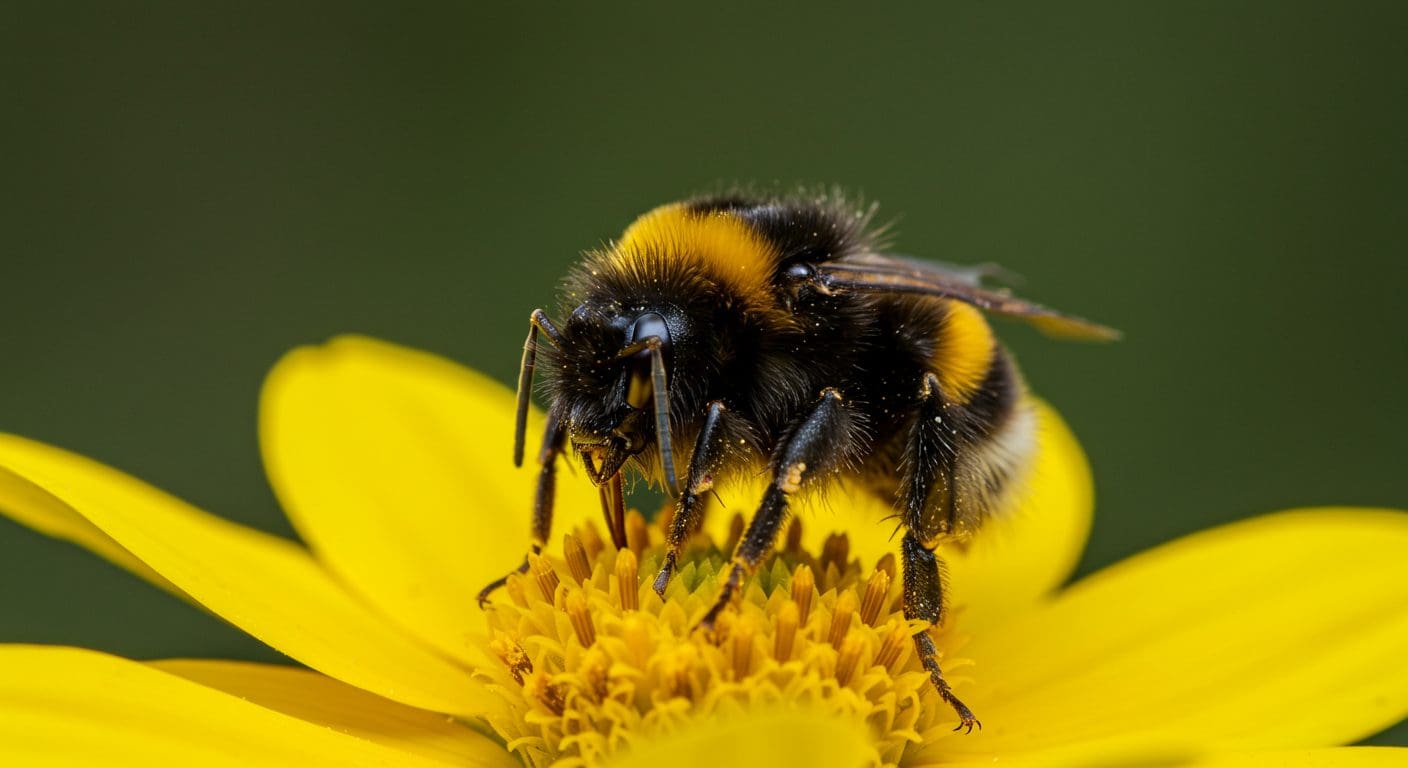
A recent study conducted by researchers at York University, published in Conservation Science and Practice, identifies significant risks to wild bumblebee populations across Canada stemming from pathogen spillover originating in managed pollinator bees. The research highlights the overlap between areas of high bumblebee biodiversity and regions susceptible to disease transmission, creating urgent concerns for pollinator conservation. Specifically, the study mapped areas within Alberta, British Columbia, and southern Ontario – characterised by both intensive agricultural activity and rich ecosystems – as exhibiting the greatest risk for bumblebee pathogen spillover in conservation priority areas.
The researchers emphasise that while disease is a natural component of any ecosystem, wild bumblebees are particularly vulnerable to novel pathogens originating from managed honeybee hives. This vulnerability is exacerbated by multiple existing stressors contributing to bumblebee population declines. The study advocates for proactive mitigation strategies, including regular screening of both managed and wild bee populations to detect pathogens. Furthermore, the implementation of robust biosecurity measures within agricultural settings is recommended to limit disease transmission.
Beyond immediate preventative actions, the research team stresses the necessity for national monitoring programs and improved sanitation practices to reduce the overall spread of disease amongst bumblebees. This work builds upon the legacy of the late Dr. Sheila Colla, a pioneering researcher in pollinator conservation, and underscores York University’s commitment to environmental sustainability and biodiversity protection.
More information
External Link: Click Here For More


