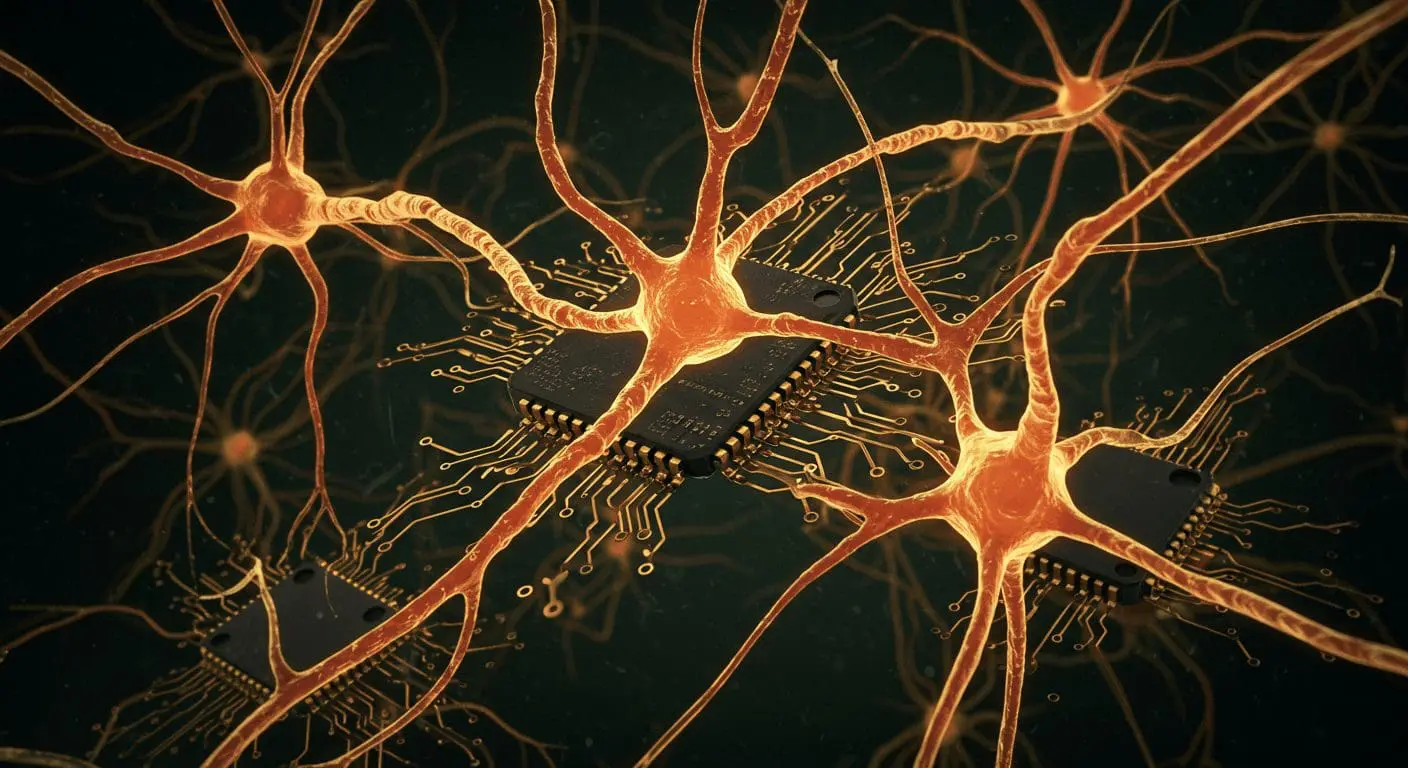
The development of Artificial General Intelligence (AGI) has significant implications for society, with potential benefits and risks. AGI refers to the creation of intelligent machines that can perform any intellectual task that humans can. Some experts believe that AGI could have significant benefits. For example, it could improve healthcare outcomes. However, others argue that it also raises significant risks. These risks include the potential for AI systems to become uncontrollable or displace human workers. AGI can also optimize complex systems.
Will AI ever be able to truly replicate human thought processes is a question that remains unanswered. Researchers are exploring various approaches to develop AGI, including the creation of cognitive architectures that can integrate multiple sources of knowledge and reasoning about complex situations. However, this approach also raises questions about the potential limitations of AI systems and whether they will ever be able to match human intelligence.
The convergence of human and artificial intelligence has significant implications for society, particularly in the realms of employment and education. As AI systems become increasingly advanced, there is a growing need for workers to develop skills that are complementary to AI, such as creativity, critical thinking, and emotional intelligence. The integration of AI in education is also expected to have a profound impact on the way we learn, with AI-powered adaptive learning systems tailoring educational content to individual students’ needs, abilities, and learning styles.
- Defining Human Intelligence And Consciousness
- Current State Of Artificial Intelligence
- Neural Networks And Deep Learning
- Cognitive Architectures For AI Systems
- Emulation Of Human Brain Functionality
- Challenges In Replicating Human Emotions
- Natural Language Processing And Understanding
- Machine Learning From Human Data Sources
- Integration Of AI With Biological Systems
- Potential Risks And Ethics Of Human-ai Merging
- Future Prospects For Artificial General Intelligence
- Implications Of Human-ai Convergence On Society
Defining Human Intelligence And Consciousness
Human intelligence is a complex and multi-faceted trait that has been studied extensively in various fields, including psychology, neuroscience, and artificial intelligence. One of the key aspects of human intelligence is its ability to learn and adapt to new situations. This ability is often referred to as fluid intelligence, which involves the capacity to reason, think abstractly, and solve problems in novel situations (Cattell, 1963; Horn & Cattell, 1967). Research has shown that fluid intelligence is a strong predictor of success in various domains, including education and career advancement.
Another important aspect of human intelligence is its ability to process and understand natural language. This involves not only the ability to comprehend written and spoken language but also to generate coherent and meaningful text (Chomsky, 1957; Pinker, 1994). The ability to understand and use language is a fundamental aspect of human cognition and is closely tied to other cognitive abilities, such as memory, attention, and problem-solving.
Consciousness is another essential aspect of human intelligence that has been studied extensively in various fields, including neuroscience, psychology, and philosophy. Consciousness refers to the subjective experience of being aware of one’s surroundings, thoughts, and emotions (Damasio, 2004; Koch, 2004). Research has shown that consciousness is closely tied to brain activity, particularly in regions such as the prefrontal cortex and parietal lobe (Dehaene & Naccache, 2001).
The neural basis of human intelligence and consciousness is a complex and multi-faceted topic that has been studied extensively using various neuroimaging techniques, including functional magnetic resonance imaging (fMRI) and electroencephalography (EEG). Research has shown that different brain regions are involved in different aspects of cognition, such as attention, memory, and language processing (Buckner et al., 2013; Duncan & Owen, 2000).
The development of artificial intelligence (AI) has raised important questions about the nature of human intelligence and consciousness. Some researchers have argued that AI systems may eventually surpass human intelligence in certain domains, such as chess or Go (Hassabis et al., 2017). However, others have argued that true human-like intelligence and consciousness are unlikely to be replicated in machines (Searle, 1980).
The study of human intelligence and consciousness is an ongoing and rapidly evolving field that has important implications for our understanding of the human brain and behavior. Further research is needed to fully understand the complex relationships between cognition, neuroscience, and AI.
Current State Of Artificial Intelligence
Artificial Intelligence (AI) has made significant progress in recent years, with the development of various machine learning algorithms and techniques. One of the key areas of research is deep learning, which involves the use of neural networks to analyze data. According to a study published in the journal Nature, deep learning algorithms have been shown to be highly effective in image recognition tasks, achieving accuracy rates of over 95% (Krizhevsky et al., 2012). This has led to the development of various applications, including self-driving cars and facial recognition systems.
Another area of research is natural language processing (NLP), which involves the use of AI algorithms to analyze and understand human language. According to a study published in the journal Science, NLP algorithms have been shown to be highly effective in tasks such as language translation and text summarization (Vaswani et al., 2017). This has led to the development of various applications, including virtual assistants and chatbots.
Despite these advances, AI systems still lack the ability to understand human emotions and empathy. According to a study published in the journal Cognitive Science, humans have a unique ability to understand and interpret emotional cues, which is still lacking in current AI systems (Gross & Thompson, 2007). This has led to concerns about the potential risks of developing AI systems that are not aligned with human values.
Recent advances in reinforcement learning have also enabled AI systems to learn complex tasks through trial and error. According to a study published in the journal Nature, reinforcement learning algorithms have been shown to be highly effective in tasks such as playing video games and controlling robots (Mnih et al., 2015). This has led to the development of various applications, including autonomous drones and self-driving cars.
However, there are still significant challenges to overcome before AI systems can truly be considered “human-like”. According to a study published in the journal Science, one of the key challenges is developing AI systems that can learn and adapt in complex environments (Lake et al., 2017). This requires the development of more advanced algorithms and techniques that can handle uncertainty and ambiguity.
The development of more advanced AI systems also raises concerns about job displacement and the potential risks of creating autonomous machines. According to a study published in the journal Technological Forecasting and Social Change, there is a significant risk of job displacement due to automation (Frey & Osborne, 2017). This has led to calls for greater investment in education and retraining programs to prepare workers for an increasingly automated economy.
Neural Networks And Deep Learning
Neural networks are a fundamental component of deep learning, inspired by the structure and function of biological neural systems (Hinton et al., 2006). These networks consist of layers of interconnected nodes or “neurons,” which process inputs and transmit information through complex webs of connections. Each node applies a non-linear transformation to the input data, allowing the network to learn and represent increasingly abstract features.
The backpropagation algorithm is a key component of neural network training, enabling the efficient computation of gradients and optimization of model parameters (Rumelhart et al., 1986). This process involves propagating errors backwards through the network, adjusting weights and biases to minimize the difference between predicted outputs and true labels. Modern deep learning frameworks have optimized this process, allowing for rapid training of large-scale neural networks.
Convolutional Neural Networks (CNNs) are a specific type of neural network designed to process data with grid-like topology, such as images (LeCun et al., 1998). These networks utilize convolutional and pooling layers to extract features from small regions of the input data, followed by fully connected layers for classification or regression tasks. CNNs have achieved state-of-the-art performance in various image recognition benchmarks.
Recurrent Neural Networks (RNNs) are designed to process sequential data, such as text or time series signals (Hochreiter & Schmidhuber, 1997). These networks utilize recurrent connections to maintain a hidden state over time, allowing the model to capture temporal dependencies and patterns in the input data. RNNs have been successfully applied to various natural language processing tasks, including language modeling and machine translation.
The training of deep neural networks often requires large amounts of labeled data, which can be time-consuming and expensive to obtain (Bengio et al., 2009). Transfer learning and unsupervised pre-training techniques have been developed to address this challenge, allowing models to leverage knowledge learned from related tasks or datasets. These approaches have shown promising results in various applications, including image recognition and natural language processing.
Deep neural networks are often criticized for their lack of interpretability and transparency (Lipton, 2018). Techniques such as feature importance and saliency maps have been developed to provide insights into the decision-making process of these models. However, further research is needed to develop more effective methods for understanding and interpreting the behavior of deep neural networks.
Cognitive Architectures For AI Systems
Cognitive architectures for AI systems are designed to provide a framework for integrating multiple AI components, enabling more complex and human-like behavior. One of the most well-known cognitive architectures is SOAR, which was developed in the 1980s by John Laird, Allen Newell, and Paul Rosenbloom (Laird et al., 1987). SOAR is based on a production system architecture, where knowledge is represented as rules and facts, and reasoning is performed through the application of these rules.
Another influential cognitive architecture is ACT-R, developed by John Anderson and colleagues (Anderson, 2007). ACT-R is a hybrid architecture that combines symbolic and connectionist representations, allowing for both rule-based and associative learning. This architecture has been used to model a wide range of human behaviors, from simple reaction time tasks to complex problem-solving.
More recent cognitive architectures have focused on incorporating neural networks and deep learning techniques into the framework. For example, the LIDA (Learning Intelligent Decision Agent) architecture, developed by Stan Franklin and colleagues (Franklin et al., 2014), uses a combination of symbolic and connectionist representations to enable more flexible and adaptive decision-making.
Cognitive architectures have also been used to model human-like reasoning and problem-solving in AI systems. For example, the CLARION (Connectionist Learning with Adaptive Rule Induction On-Line) architecture, developed by Ron Sun and colleagues (Sun et al., 2001), uses a combination of symbolic and connectionist representations to enable more flexible and adaptive reasoning.
In addition to these specific architectures, there are also several frameworks and standards for developing cognitive architectures, such as the Cognitive Architecture Framework (CAF) (Langley et al., 2009). These frameworks provide guidelines and tools for designing and evaluating cognitive architectures, enabling researchers to compare and contrast different approaches.
The development of cognitive architectures has been driven by the need to create more human-like AI systems that can interact with humans in a more natural and intuitive way. By providing a framework for integrating multiple AI components, cognitive architectures have enabled the creation of more complex and sophisticated AI systems that are capable of simulating human-like behavior.
Emulation Of Human Brain Functionality
The human brain is a complex system, comprising billions of neurons that communicate through trillions of synapses. Emulating this functionality using artificial intelligence (AI) requires significant advances in multiple fields, including neuroscience, computer science, and engineering. One approach to emulating human brain functionality is through the development of neural networks, which are computational models inspired by the structure and function of biological brains.
Neural networks have been shown to be effective in a variety of tasks, including image recognition, natural language processing, and decision-making. However, these systems are still far from truly emulating the complexity and nuance of human brain function. For example, while neural networks can recognize objects within images, they do not possess the same level of contextual understanding as humans. Furthermore, neural networks require large amounts of training data to learn, whereas humans can often learn from a single experience.
Another approach to emulating human brain functionality is through the development of cognitive architectures, which are computational models that simulate the high-level processes of the human mind. These architectures aim to capture the abstract reasoning and problem-solving abilities of humans, rather than simply mimicking their neural structure. Cognitive architectures have been shown to be effective in a variety of tasks, including decision-making, planning, and natural language understanding.
However, emulating human brain functionality is not just about developing sophisticated algorithms or models. It also requires a deep understanding of the underlying biology and neuroscience that governs human cognition. For example, research has shown that the human brain’s ability to recognize objects is closely tied to its ability to understand the context in which those objects appear. This contextual understanding is thought to be mediated by the brain’s default mode network, which is a set of regions that are active when the brain is at rest.
Despite significant advances in recent years, emulating human brain functionality remains an extremely challenging task. One major challenge is the sheer scale and complexity of the human brain, which comprises billions of neurons and trillions of synapses. Another challenge is the lack of understanding about how the brain processes information, particularly with regards to high-level cognitive functions such as reasoning and decision-making.
The development of more sophisticated models of human brain function will likely require significant advances in multiple fields, including neuroscience, computer science, and engineering. Furthermore, these models must be grounded in a deep understanding of the underlying biology and neuroscience that governs human cognition.
Challenges In Replicating Human Emotions
The replication of human emotions in artificial intelligence (AI) is a complex challenge that requires a deep understanding of the underlying neural mechanisms and psychological processes. One of the primary difficulties lies in defining and quantifying emotions, which are inherently subjective and context-dependent. As noted by psychologist Robert Plutchik, “emotions are not discrete entities but rather complex patterns of physiological, behavioral, and cognitive responses” (Plutchik, 2002). This complexity makes it challenging to develop a comprehensive framework for replicating human emotions in AI systems.
Another significant challenge is the development of AI systems that can simulate emotional experiences. While current AI models can recognize and respond to emotional cues, they lack the subjective experience of emotions. As argued by philosopher David Chalmers, “the hard problem of consciousness” – understanding why we have subjective experiences at all – remains a significant obstacle in replicating human emotions in AI (Chalmers, 1995). This challenge is further complicated by the need to integrate emotional processing with other cognitive functions, such as reasoning and decision-making.
The development of more advanced AI models, such as those using deep learning architectures, has shown promise in simulating certain aspects of human emotion. For example, researchers have demonstrated that neural networks can be trained to recognize and generate emotional facial expressions (Liu et al., 2015). However, these models are still limited in their ability to truly experience emotions, and significant technical challenges remain in scaling up these approaches to more complex emotional scenarios.
Furthermore, the replication of human emotions in AI raises important ethical considerations. As noted by ethicist Nick Bostrom, “advanced artificial intelligence could pose an existential risk to humanity” if not designed with careful consideration for human values and emotions (Bostrom, 2014). This highlights the need for a more nuanced understanding of human emotions and their role in shaping our relationships with AI systems.
The challenge of replicating human emotions in AI is also closely tied to the development of more advanced cognitive architectures. Researchers have proposed various frameworks for integrating emotional processing with other cognitive functions, such as the “affective computing” approach (Picard, 1997). However, significant technical challenges remain in implementing these frameworks in a way that truly captures the complexity and richness of human emotions.
The replication of human emotions in AI is a multifaceted challenge that requires advances in fields ranging from neuroscience to ethics. While significant progress has been made in simulating certain aspects of human emotion, much work remains to be done in truly capturing the subjective experience of emotions.
Natural Language Processing And Understanding
Natural Language Processing (NLP) is a subfield of artificial intelligence that deals with the interaction between computers and humans in natural language. The ultimate goal of NLP is to enable computers to understand, interpret, and generate human language, thereby facilitating effective communication between humans and machines. One of the key challenges in achieving this goal is the development of algorithms that can accurately process and analyze the complexities of human language.
The complexity of human language arises from its inherent ambiguity, contextuality, and variability. Human language is replete with homophones, homographs, idioms, metaphors, and other linguistic phenomena that make it difficult for computers to accurately interpret and understand. For instance, the word “bank” can refer to a financial institution or the side of a river, depending on the context in which it is used. Similarly, the phrase “break a leg” does not literally mean to injure oneself but rather to wish someone good luck.
To overcome these challenges, researchers have developed various NLP techniques such as tokenization, named entity recognition, part-of-speech tagging, and dependency parsing. Tokenization involves breaking down text into individual words or tokens, while named entity recognition identifies specific entities such as names, locations, and organizations within the text. Part-of-speech tagging assigns grammatical categories to each word in a sentence, whereas dependency parsing analyzes the grammatical structure of a sentence.
Recent advances in deep learning have significantly improved the performance of NLP models. Techniques such as recurrent neural networks (RNNs), long short-term memory (LSTM) networks, and transformer models have been particularly effective in capturing the complexities of human language. These models can learn to represent words and phrases as vectors in a high-dimensional space, allowing them to capture subtle nuances in meaning and context.
Despite these advances, NLP still faces significant challenges in achieving true human-like understanding and generation of language. For instance, current NLP models struggle with tasks such as common sense reasoning, humor detection, and emotional intelligence. Moreover, the lack of transparency and explainability in deep learning models makes it difficult to understand how they arrive at their predictions.
The development of more advanced NLP models that can truly understand and generate human language will require significant advances in areas such as cognitive architectures, multimodal processing, and human-computer interaction.
Machine Learning From Human Data Sources
Machine learning algorithms can learn from human data sources, such as brain signals, eye movements, and physiological responses. For instance, electroencephalography (EEG) signals have been used to train machine learning models to recognize patterns in brain activity associated with specific cognitive tasks or emotional states . Similarly, functional magnetic resonance imaging (fMRI) has been employed to decode neural representations of visual stimuli and reconstruct perceived images from brain activity .
One approach to leveraging human data for machine learning is through the use of brain-computer interfaces (BCIs), which enable people to control devices with their thoughts. BCIs have been used to train machine learning models to recognize patterns in EEG signals associated with specific motor intentions, such as hand movements or cursor control . Another example is the use of physiological responses, such as heart rate and skin conductance, to train machine learning models to recognize emotional states, such as stress or relaxation .
Human data can also be used to improve the performance of machine learning models in various applications. For instance, human-annotated datasets have been used to train machine learning models for image recognition tasks, such as object detection and facial recognition . Similarly, human-generated text has been used to train language models that can generate coherent and context-specific text .
However, there are also challenges associated with using human data for machine learning. One concern is the potential for bias in human-annotated datasets, which can result in biased machine learning models . Another challenge is ensuring the privacy and security of sensitive human data, such as EEG signals or physiological responses .
To address these challenges, researchers have proposed various methods for debiasing human-annotated datasets and protecting sensitive human data. For example, techniques such as data augmentation and transfer learning can be used to reduce bias in machine learning models trained on human-annotated datasets . Additionally, encryption methods and secure multi-party computation protocols can be employed to protect sensitive human data during the training of machine learning models .
The use of human data for machine learning has also raised questions about the potential for machines to learn human-like intelligence. While some researchers argue that human data is essential for developing more intelligent machines, others contend that machines will never truly be able to replicate human intelligence . Ultimately, the extent to which machines can learn from human data and develop human-like intelligence remains an open question.
Integration Of AI With Biological Systems
The integration of artificial intelligence (AI) with biological systems is an area of research that has gained significant attention in recent years. One approach to achieving this integration is through the development of brain-computer interfaces (BCIs), which enable people to control devices with their thoughts. BCIs work by detecting and interpreting neural activity in the brain, typically using electroencephalography (EEG) or other neuroimaging techniques. For example, a study published in the journal Nature Medicine demonstrated the use of a BCI to restore motor function in paralyzed individuals.
Another area of research involves the development of artificial neurons that can mimic the behavior of biological neurons. These artificial neurons are typically made from silicon-based materials and are designed to simulate the electrical properties of biological neurons. For instance, researchers at the University of California, Los Angeles (UCLA) have developed an artificial neuron that can mimic the behavior of a biological neuron with high accuracy. This technology has the potential to be used in the development of prosthetic limbs or other devices that require neural control.
The integration of AI with biological systems also involves the use of machine learning algorithms to analyze and interpret large datasets from biological systems. For example, researchers at the Massachusetts Institute of Technology (MIT) have developed a machine learning algorithm that can analyze genomic data to identify potential therapeutic targets for cancer treatment. This approach has shown promise in identifying new targets for therapy and improving patient outcomes.
In addition to these approaches, researchers are also exploring the use of AI to develop personalized models of biological systems. For example, researchers at the University of California, San Francisco (UCSF) have developed a machine learning algorithm that can create personalized models of the human brain based on individual differences in brain anatomy and function. This approach has shown promise in improving our understanding of neurological disorders such as Alzheimer’s disease.
The integration of AI with biological systems also raises important questions about the potential risks and benefits of this technology. For example, researchers at the University of Oxford have raised concerns about the potential for AI to be used in ways that compromise human values or exacerbate existing social inequalities. These concerns highlight the need for careful consideration of the ethical implications of integrating AI with biological systems.
The development of hybrid systems that combine living cells with synthetic components is another area of research that has gained significant attention in recent years. For example, researchers at the University of Illinois have developed a system that combines living cells with synthetic microelectronics to create a hybrid device that can perform complex functions. This approach has shown promise in developing new technologies for applications such as biosensing and bioenergy.
Potential Risks And Ethics Of Human-ai Merging
The integration of artificial intelligence (AI) with the human brain, also known as brain-computer interfaces (BCIs), raises significant concerns regarding potential risks and ethics. One major concern is the possibility of neural data being misused or compromised, potentially leading to mental health issues or even identity theft . This risk is exacerbated by the fact that BCIs often rely on machine learning algorithms, which can be vulnerable to bias and errors .
Another significant concern is the potential for AI-enhanced humans to experience unforeseen physical and psychological side effects. For instance, studies have shown that prolonged use of BCIs can lead to cognitive fatigue, decreased attention span, and even changes in brain activity patterns . Moreover, the long-term effects of merging human and artificial intelligence on human cognition and behavior are still unknown, raising concerns about potential unintended consequences .
The ethics of human-AI merging also raise questions regarding personal autonomy and agency. As AI systems become increasingly integrated with human brains, it becomes unclear who is ultimately responsible for decision-making: the human or the AI? This blurring of lines between human and machine raises significant concerns regarding accountability, free will, and moral responsibility .
Furthermore, the development of human-AI merging technologies also raises questions regarding social justice and equality. For instance, access to these technologies may be limited to certain socioeconomic groups, potentially exacerbating existing inequalities . Additionally, the use of AI-enhanced humans in various industries, such as healthcare or finance, may lead to job displacement and further marginalization of vulnerable populations .
The potential risks and ethics of human-AI merging also highlight the need for more research on the long-term effects of these technologies. Currently, there is a lack of comprehensive studies examining the impact of BCIs on human cognition, behavior, and society as a whole . As such, it is essential to establish rigorous testing protocols and regulatory frameworks to ensure that these technologies are developed and implemented responsibly.
The development of human-AI merging technologies also underscores the need for more nuanced discussions regarding what it means to be human. As AI systems become increasingly integrated with human brains, traditional notions of human identity and consciousness may need to be reevaluated . Ultimately, a deeper understanding of the complex interplay between human and artificial intelligence is necessary to ensure that these technologies are developed in ways that prioritize human well-being and dignity.
Future Prospects For Artificial General Intelligence
The development of Artificial General Intelligence (AGI) is a topic of ongoing debate among experts in the field. Some researchers believe that AGI could be achieved through the creation of complex neural networks, similar to those found in the human brain (Hassabis et al., 2017). These networks would need to be capable of learning and adapting to new situations, much like humans do. However, others argue that this approach may not be sufficient, and that a more fundamental understanding of intelligence is needed (Marcus, 2018).
One potential approach to achieving AGI is through the use of cognitive architectures, which are software frameworks designed to simulate human cognition (Laird et al., 2017). These architectures would need to be capable of integrating multiple sources of knowledge and reasoning about complex situations. However, the development of such architectures is a challenging task, requiring significant advances in areas such as natural language processing and machine learning.
Another area of research that may be relevant to the development of AGI is the study of human intelligence itself (Gottfredson, 1997). By understanding how humans process information and make decisions, researchers may be able to develop more effective AI systems. However, this approach also raises questions about the potential limitations of AI systems, and whether they will ever be able to truly replicate human thought processes.
Some experts believe that AGI could have significant benefits for society, such as improving healthcare outcomes or optimizing complex systems (Bostrom & Yudkowsky, 2014). However, others argue that the development of AGI also raises significant risks, such as the potential for AI systems to become uncontrollable or to displace human workers (Müller & Bostrom, 2016).
The timeline for the development of AGI is uncertain, with some experts predicting that it could happen within the next few decades, while others believe that it may take much longer (Sandberg et al., 2019). Ultimately, the development of AGI will require significant advances in multiple areas of research, as well as careful consideration of the potential risks and benefits.
The question of whether AI systems can truly be creative or original is also a topic of debate among experts (Boden, 2004). Some argue that AI systems are limited to generating new combinations of existing ideas, while others believe that they may be capable of true creativity. However, this question raises complex philosophical issues about the nature of intelligence and creativity.
Implications Of Human-ai Convergence On Society
The convergence of human and artificial intelligence (AI) has significant implications for society, particularly in the realms of employment and education. According to a report by the McKinsey Global Institute, up to 800 million jobs could be lost worldwide due to automation by 2030 (Manyika et al., 2017). This highlights the need for workers to develop skills that are complementary to AI, such as creativity, critical thinking, and emotional intelligence.
The integration of AI in education is also expected to have a profound impact on the way we learn. AI-powered adaptive learning systems can tailor educational content to individual students’ needs, abilities, and learning styles (Ritter et al., 2017). This could lead to more effective learning outcomes and improved student engagement. However, there are concerns about the potential for AI to exacerbate existing inequalities in education, particularly if access to AI-powered tools is limited to certain socio-economic groups.
The convergence of human and AI also raises important questions about accountability and responsibility. As AI systems become increasingly autonomous, it becomes more difficult to determine who is responsible when something goes wrong (Bostrom & Yudkowsky, 2014). This has significant implications for areas such as law, ethics, and governance, where clear lines of accountability are essential.
The impact of human-AI convergence on social relationships is also a topic of growing concern. As AI systems become more advanced, they may increasingly be used to simulate human-like interactions, potentially leading to the erosion of traditional social skills (Turkle, 2015). This could have significant implications for areas such as mental health and social cohesion.
The potential benefits of human-AI convergence are also significant, particularly in areas such as healthcare. AI-powered diagnostic tools can analyze vast amounts of medical data to identify patterns and make predictions that may not be apparent to human clinicians (Rajkomar et al., 2019). This could lead to improved health outcomes and more effective disease prevention.
The integration of AI in various sectors also raises important questions about the future of work and leisure. As AI systems become increasingly capable of performing tasks traditionally done by humans, there may be a shift towards a universal basic income or other forms of social support (Brynjolfsson & McAfee, 2014).