Forget lectures and case studies – University of Arizona students are now stepping inside the future of retail education. A new approach in a merchandising systems course is leveraging extended reality – encompassing virtual and augmented reality – to create immersive, data-driven simulations of real-world stores. This isn’t just about theoretical learning; students like Nicole Gil-Lopez are exploring a fully-replicated “digital twin” of the Lundgren Consumer Science Lab, rearranging displays and analysing shopper behaviour in a virtual environment. This innovative method promises to reshape how future retail professionals are trained, allowing them to test strategies and gain practical experience that traditional classrooms simply can’t match.
U of A Integrates Extended Reality
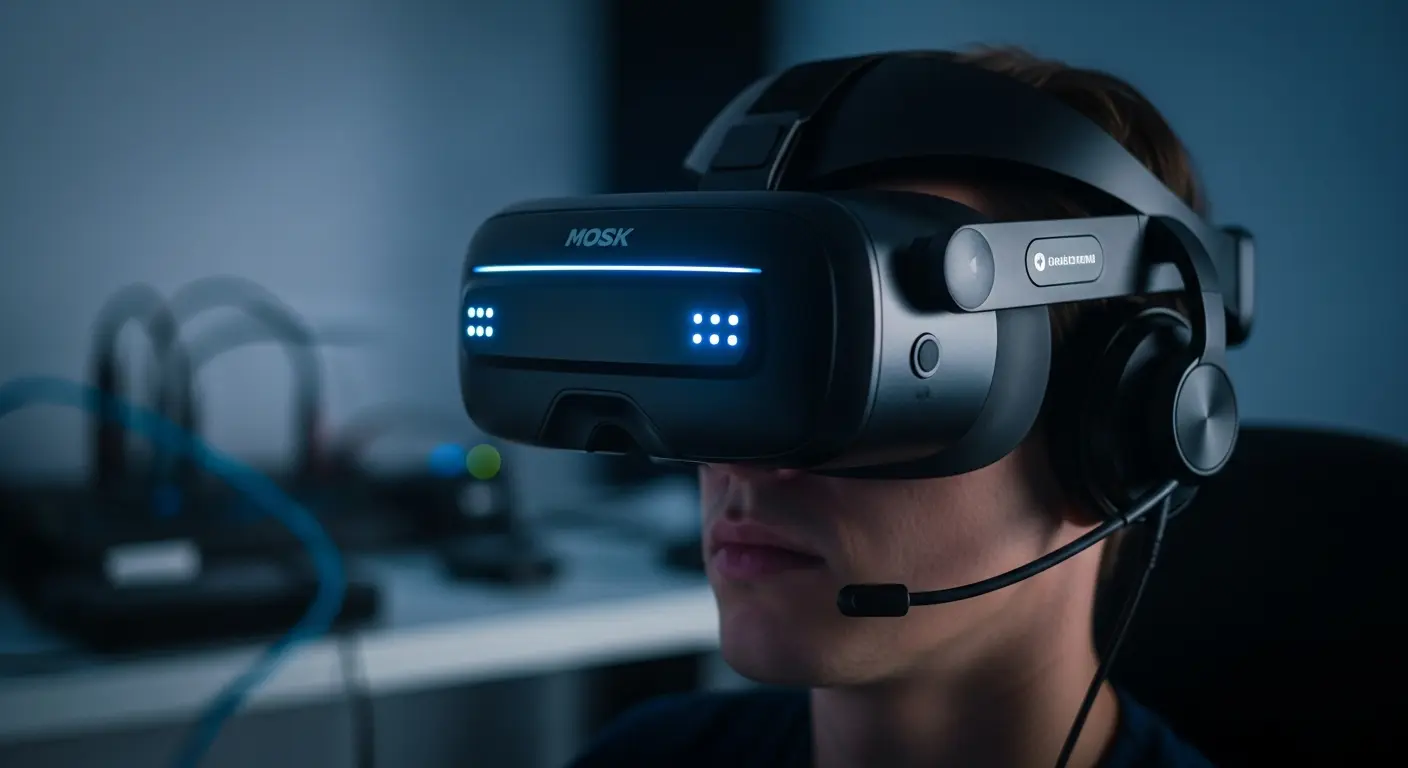
The University of Arizona is pioneering a new approach to retail education by integrating extended reality (XR) technology into its merchandising systems curriculum. Students like Nicole Gil-Lopez are now stepping inside the learning experience, utilizing virtual reality headsets – specifically the Meta Quest 3 – to explore a meticulously crafted “digital twin” of the Lundgren Consumer Science Lab. This immersive environment isn’t merely a visual replica; it’s a fully interactive space where shelving, product displays, and even shopper movement can be manipulated and studied in real-time. Soo Hyun Kim, an assistant professor of practice, redesigned the course to leverage this technology, recognizing the potential for students to learn through three-dimensional interaction and experimentation.
Rather than analyzing retail concepts through case studies alone, students now virtually “walk the aisles,” investigating shopper behavior and testing merchandising strategies with data-driven simulations. The level of detail within the digital twin – from carpet patterns to ceiling paint – is remarkably high, creating an incredibly realistic experience that Gil-Lopez described as “mind-blowing.” This innovative approach not only enhances learning but also equips students with valuable experience using advanced technology, providing a competitive edge as they enter the job market. The initiative builds upon a $5 million donation from Terry and Tina Lundgren in 2022, envisioning a future where cutting-edge technology transforms retail education at the U of A.
Virtual Lab Enhances Retail Learning
The University of Arizona is revolutionizing retail education through the integration of extended reality (XR) technology, offering students immersive learning experiences previously unavailable in traditional classrooms. Students in a merchandising systems course are now utilizing a “digital twin” – a full-scale virtual replica – of the Lundgren Consumer Science Lab, accessed via headsets like the Meta Quest 3. This allows them to move beyond theoretical analysis of retail strategies and actively experiment with concepts such as store layout and product placement. According to student Nicole Gil-Lopez, the level of detail within the virtual environment—from carpet patterns to product labels—is remarkably realistic, creating a truly immersive experience.
Assistant Professor of Practice Soo Hyun Kim redesigned the course to capitalize on the potential of XR, enabling students to investigate shopper behavior, track movement, and analyze purchasing patterns within a data-driven virtual store. This innovative approach not only enhances understanding of core retail principles but also provides valuable experience with advanced technology, preparing students for a competitive job market. The project, envisioned through a $5 million donation from Terry and Tina Lundgren, demonstrates a commitment to bridging the gap between academic study and real-world retail application, moving learning “from brick to click” and fostering a new generation of tech-savvy retail professionals.
Students Test Concepts in Simulation
University of Arizona students are now stepping beyond traditional case studies and lectures to test retail concepts within immersive, data-driven simulations. A merchandising systems course is integrating extended reality – encompassing virtual and augmented reality – to create a dynamic learning environment where students can experiment with store layouts, product placement, and consumer behavior in a way previously impossible. Students like Nicole Gil-Lopez utilize Meta Quest 3 headsets to enter a precise “digital twin” of the Lundgren Consumer Science Lab, a full-scale virtual replica boasting remarkable detail – from carpet patterns to product labels – mirroring the physical space. This allows for instant manipulation of the environment; shelves rearrange with a click, displays shift, and shopper movements are tracked in real-time, providing immediate feedback on merchandising strategies.
Assistant Professor of Practice Soo Hyun Kim redesigned the course to capitalize on this technology, recognizing the opportunity for three-dimensional, interactive learning. Rather than simply discussing theories, students now experience how shoppers navigate virtual stores, analyze purchasing patterns, and assess the impact of different displays, all informed by real-world data. This innovative approach not only deepens understanding of retail principles but also equips students with valuable experience in extended reality technology, giving them a competitive edge as they enter the job market. The initiative, spurred by a $5 million donation from Terry and Tina Lundgren, represents a significant shift toward experiential learning within the retailing and consumer science program.