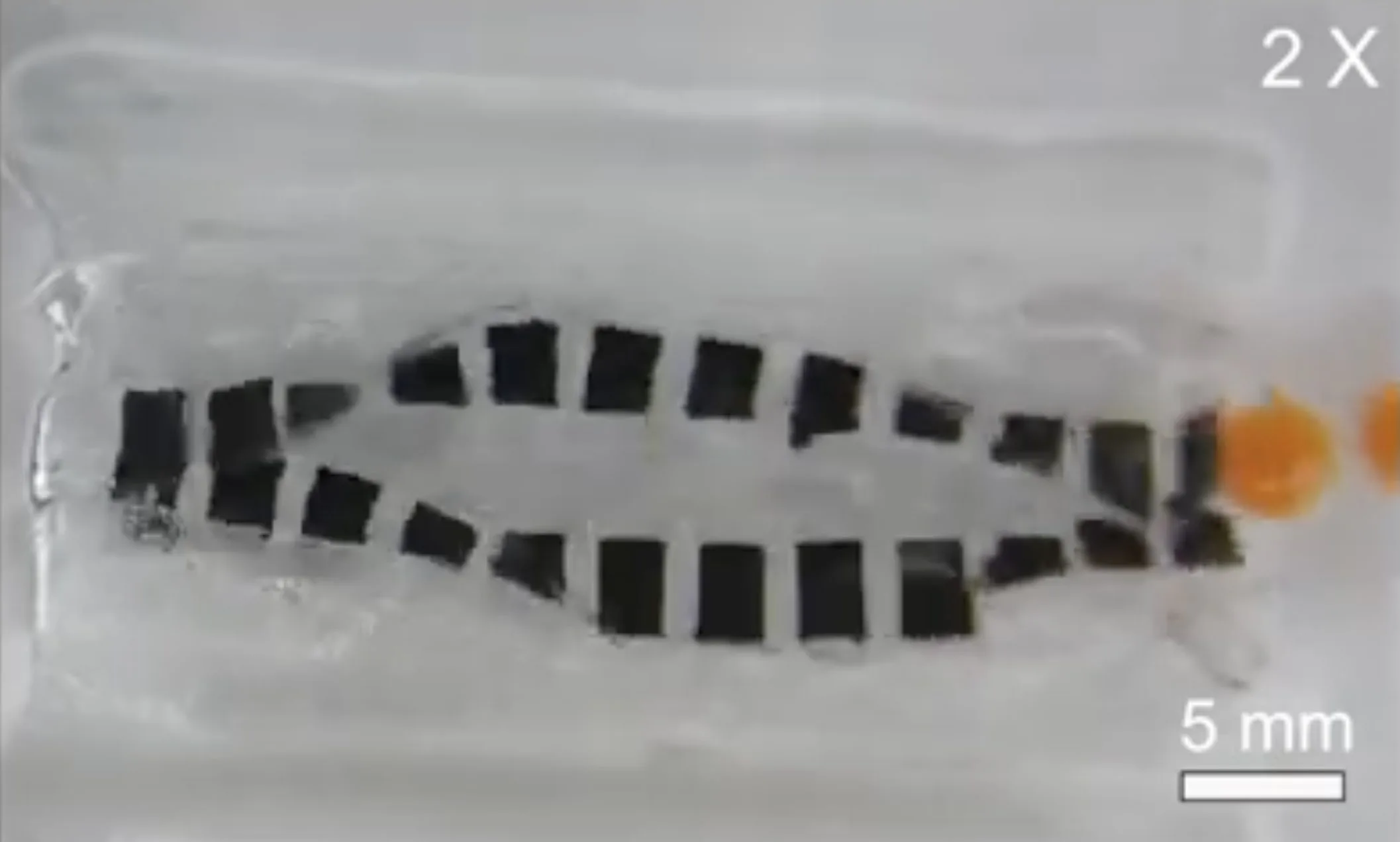
Vanderbilt researchers have developed a wirelessly activated device that mimics the muscular function in the esophagus and small intestine, aiding patients with organ blockages. The soft-robotic prototype, driven by magnets controlled by a wearable actuator, can help patients with blockages caused by tumors or those needing stents. The device, led by Xiaoguang Dong, Assistant Professor of Mechanical Engineering, and Dr. Rishi Naik, Assistant Professor of Medicine, could also aid in other biological processes compromised by disease. The research was funded by Vanderbilt University School of Engineering and supported by Oak Ridge National Laboratory.
Innovative Soft-Robotic Device Mimics Natural Digestive Process
A group of researchers from Vanderbilt University has developed a soft-robotic device that replicates the natural muscular function of the esophagus and small intestine. This function, known as peristalsis, is responsible for the transportation of food and viscous fluids through the digestive system. The device, which is wirelessly activated by a wearable external actuator, could potentially assist patients suffering from blockages caused by tumors or those requiring stents.
Traditional esophageal stents, which are metal tubes, are often used in patients with esophageal cancer, predominantly in an aging population. These patients are at risk of food blockages that prevent food from entering the stomach, potentially causing a dangerous situation where food enters the lung instead. The soft-robotic device aims to restore the natural peristalsis motion, thereby improving the quality of life for these patients.
The Design and Functionality of the Soft-Robotic Device
The device is composed of a soft sheet of small magnets arranged in parallel rows. These magnets are activated in a precise undulating motion that generates the necessary torque to pump various solid and liquid cargoes. According to the researchers, magnetically actuated soft robotic pumps that can restore peristalsis and seamlessly integrate with medical stents have not been reported before.
The study was led by Xiaoguang Dong, Assistant Professor of Mechanical Engineering, in collaboration with Dr. Rishi Naik, Assistant Professor of Medicine in the Division of Gastroenterology, Hepatology, and Nutrition at Vanderbilt University Medical Center.
Potential Applications and Future Refinements
The researchers believe that further refinements of the device could aid in other biological processes that may have been compromised by disease. For instance, the design could be used to help transport human eggs from the ovaries when muscular function in the fallopian tubes has been impaired.
Moreover, with advanced manufacturing processes, the device could be scaled down to adapt to even narrower passageways. This adaptability could potentially broaden the range of medical applications for the device, providing a versatile tool for addressing various health issues related to impaired muscular function in the body.
Funding and Support for the Research
The research was funded by the Vanderbilt University School of Engineering and received facility support from the Oak Ridge National Laboratory. The research team is affiliated with the Vanderbilt Institute for Surgery and Engineering (VISE), a multidisciplinary team dedicated to improving patient care through the integration of research, clinical practice, and education.
Conclusion: A Step Forward in Robotic Medical Devices
The development of this soft-robotic device represents a significant advancement in the field of robotic medical devices. By mimicking the natural peristalsis motion, the device could potentially improve the quality of life for patients with compromised digestive systems. As the researchers continue to refine the device and explore its potential applications, it could pave the way for next-generation robotic medical devices that can seamlessly integrate with the human body to restore or enhance biological functions.
External Link: Click Here For More