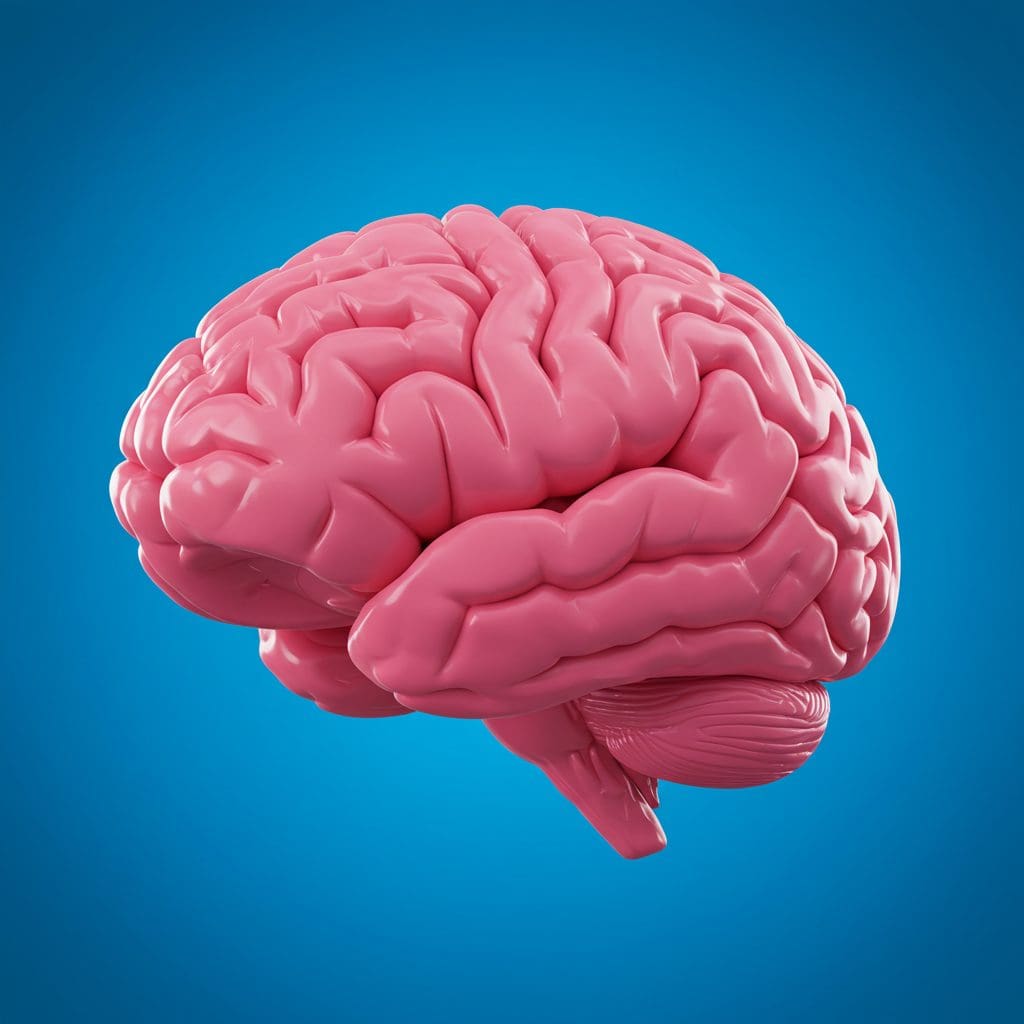
Research led by Thilo Womelsdorf, professor of psychology and biomedical engineering at the Vanderbilt Brain Institute, demonstrates that electroceutical intervention – electrical stimulation of brain tissue – can improve cognitive functions affected by behavioural health disorders and diseases such as Alzheimer’s and Parkinson’s. Similar to cardiac pacing, this approach utilises brain-computer interfaces as potential next-generation treatments. Additionally, Xiaoguang Dong, assistant professor of mechanical engineering, has received a National Science Foundation CAREER Award to support research into magnetic miniature soft robots for precision medicine, with the aim of facilitating early disease detection and treatment. Vanderbilt researchers have also secured a $1.2 million National Science Foundation grant to develop a smart microscope system employing artificial intelligence to analyse cellular behaviour, particularly in the context of cancer.
Advancements in Micro-robotics and Precision Medicine
Advancements in micro-robotics are being explored for applications in precision medicine, as evidenced by research at Vanderbilt University. Xiaoguang Dong, an assistant professor of mechanical engineering, has received a National Science Foundation CAREER Award to support the development of magnetic miniature soft robots. These robots are intended to facilitate early disease detection and treatment, representing a potential shift towards less invasive diagnostic and therapeutic interventions.
Complementing this work is the development of an innovative microscope system, funded by a $1.2 million National Science Foundation grant. This system utilises artificial intelligence to enhance the understanding of cellular behaviour, particularly in the context of diseases such as cancer. The convergence of micro-robotics and advanced imaging technologies aims to provide more detailed and actionable insights into disease mechanisms.
Furthermore, research into “electroceuticals” – utilising electrical stimulation to modulate brain activity – offers another avenue for precision medicine. Led by Thilo Womelsdorf, this work suggests that targeted electrical intervention can improve cognitive functions impaired by conditions including Alzheimer’s and Parkinson’s disease, potentially offering next-generation treatment options via brain-computer interfaces. This article highlights a multi-faceted approach to precision medicine, encompassing robotic intervention, advanced diagnostics, and targeted neurological therapies.
More information
External Link: Click Here For More