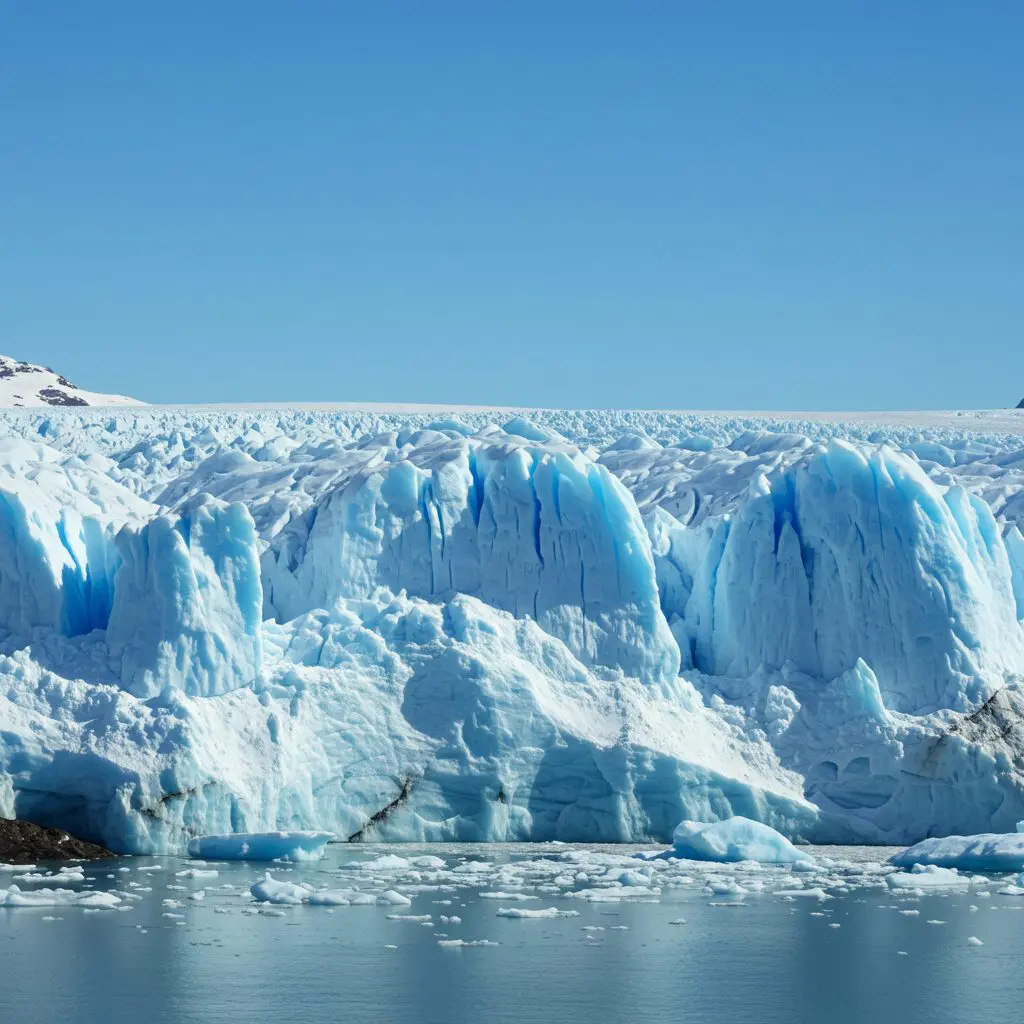
Research led by Sophie Norris, a geographer at the University of Victoria (UVic), has established a comprehensive global analysis of glacial erosion rates utilising a machine learning-based regression model applied to approximately 180,000 glaciers. Published in Nature Geoscience on August 7, the study predicts that 99 per cent of glaciers erode at a rate between 0. 68 millimeters per year, a figure comparable to the width of a credit card. The analysis, conducted in collaboration with John Gosse of Dalhousie University, revealed significant correlations between erosion rates and multiple variables including temperature, subglacial water volume, local geology, and geothermal heat flux, thereby refining understanding of basal glacial erosion processes. This modelling provides estimates for remote glacial locations worldwide, addressing the inherent difficulties in direct measurement of erosion in active glacial settings and offering insights into the historical and contemporary sculpting of landscapes, such as valley formation and sediment deposition.
Glacial Erosion Measurement
Glacial erosion, the process by which glaciers abrade and sculpt the Earth’s surface, has been quantified on a global scale through a recent study published in Nature Geoscience on August 7th. Led by Sophie Norris, a geographer at the University of Victoria (UVic), the research represents the most comprehensive assessment to date of glacial erosion rates, encompassing approximately 180,000 glaciers worldwide. The methodology employed a machine learning-based global analysis, allowing for the prediction of erosion rates for an estimated 85 per cent of modern glaciers – a substantial increase in geographical coverage compared to previous, localised studies reliant on direct field measurements.
This approach is particularly crucial given the logistical challenges and inherent dangers associated with conducting research in active glacial environments. The study’s regression equations reveal a surprisingly consistent pattern: 99 per cent of the glaciers analysed erode at a rate between 0. 68 millimeters per year – a figure contextualised by Norris as being comparable to the width of a credit card. This seemingly small annual rate, when extrapolated over geological timescales, demonstrates the profound impact glaciers have had, and continue to have, on landscape formation.
The research team, comprising experts from UVic and Dalhousie University, including John Gosse, utilised a combination of remotely sensed data – including digital elevation models and glacier flow velocities – alongside geological and hydrological datasets to train the machine learning algorithms. Gosse notes that “Given the extreme difficulty in measuring glacial erosion in active glacial settings, this study provides us with estimates of this process for remote locations worldwide. ” The analysis identified several key variables influencing rates, allowing scientists to monitor and predict how these processes may evolve in a warming world, and ultimately informing strategies for mitigating the associated environmental consequences.
More information
External Link: Click Here For More