Near-term quantum devices, also known as Noisy Intermediate-Scale Quantum (NISQ) devices, hold immense promise for solving complex problems in chemistry and materials science. However, these devices face significant hurdles due to inherent noise and limitations in qubit count and connectivity. To overcome these challenges, researchers have turned to dynamical decoupling (DD), a powerful technique that suppresses decoherence errors by applying carefully designed control pulses during quantum computations.
This study reveals the importance of DD in achieving reliable results on NISQ devices. By “decoupling” qubits from environmental fluctuations, DD sequences can significantly improve accuracy and reliability. However, the effectiveness of DD depends on factors like circuit fidelity, scheduling duration, and hardware-native gate set, as well as algorithmic implementation details such as specific gate decompositions and optimization levels.
Researchers have discovered an inverse relationship between the effectiveness of DD and the inherent performance of the algorithm. This means that if the algorithm is already performing well, the benefits of DD may be reduced. Conversely, if the algorithm is struggling to achieve reliable results, DD can provide significant improvements.
The study’s findings have far-reaching implications for optimizing DD protocols and circuit designs. By emphasizing the importance of gate directionality and circuit symmetry, researchers can develop more effective strategies for mitigating decoherence errors and achieving reliable results on NISQ devices. This breakthrough has the potential to unlock the full potential of near-term quantum devices and pave the way for breakthroughs in fields like chemistry and materials science.
Near-term quantum devices, also known as Noisy Intermediate-Scale Quantum (NISQ) devices, hold immense potential for solving complex problems in fields like chemistry and materials science. However, these devices face significant hurdles in terms of accuracy and reliability due to inherent noise arising from environmental fluctuations, imperfect gate operations, and qubit interactions. This noise can lead to errors in quantum computations, making it challenging to achieve reliable results.
The limitations in qubit count and connectivity also restrict the complexity of achievable quantum circuits, further exacerbating the problem. To unlock the full potential of NISQ devices, robust error mitigation techniques are essential. Dynamical decoupling (DD) is a promising technique that has been gaining attention for its simplicity and low resource overhead.
Dynamical decoupling (DD) is a powerful approach for
Dynamical decoupling (DD) is a powerful approach for mitigating decoherence errors in NISQ devices. It involves applying a carefully designed sequence of control pulses during quantum computations to suppress the effects of noise. The goal of DD is to create a “quiet” environment for quantum computations, allowing for more accurate and reliable results.
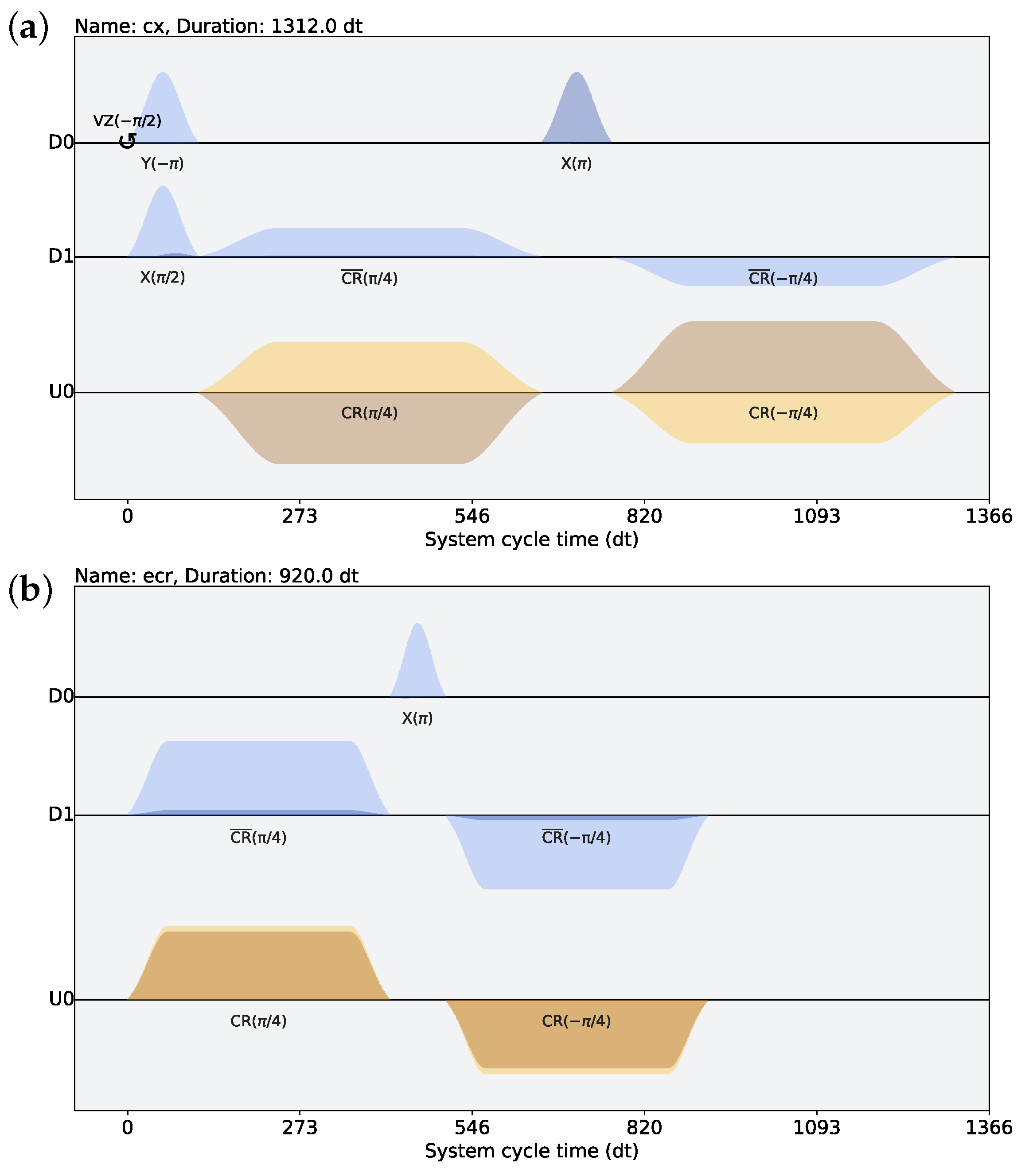
The effectiveness of DD depends on both hardware characteristics and algorithm implementation details. In other words, the performance of DD can be influenced by factors such as circuit fidelity, scheduling duration, and hardware-native gate set. Additionally, algorithmic implementation details like specific gate decompositions, DD sequences, and optimization levels can also impact the effectiveness of DD.
The relationship between dynamical decoupling (DD) and algorithm design is complex and bidirectional. On one hand, the performance of an algorithm can be improved by optimizing its implementation details to take advantage of the benefits offered by DD. This includes factors like gate directionality and circuit symmetry.
On the other hand, the effectiveness of DD itself can be influenced by the inherent performance of the algorithm being executed. In other words, if an algorithm is already highly optimized and robust, the benefits offered by DD may be less pronounced. Conversely, if an algorithm is prone to errors and noise, DD can provide significant improvements in terms of accuracy and reliability.
Several key factors influence the effectiveness of dynamical decoupling (DD) in mitigating decoherence errors in NISQ devices. These include:
- Circuit fidelity: The quality of the quantum circuit being executed can impact the performance of DD.
- Scheduling duration: The length of time for which DD is applied can also affect its effectiveness.
- Hardware-native gate set: The type of gates available on a particular hardware platform can influence the performance of DD.
- Algorithmic implementation details: Factors like specific gate decompositions, DD sequences, and optimization levels can all impact the effectiveness of DD.
The study highlights the importance of considering both hardware features and algorithm design when optimizing dynamical decoupling (DD) protocols. This holistic approach can lead to significant improvements in terms of accuracy and reliability for quantum computations on NISQ devices.
In particular, the results emphasize the significance of
In particular, the results emphasize the significance of gate directionality and circuit symmetry in improving performance. By taking these factors into account, researchers and engineers can design more effective DD protocols that take advantage of the strengths offered by both hardware and algorithmic implementation details.
The study offers several key takeaways for optimizing dynamical decoupling (DD) protocols:
- A holistic approach that considers both hardware features and algorithm design is essential for maximizing the performance and robustness of DD.
- The effectiveness of DD depends on factors like circuit fidelity, scheduling duration, and hardware-native gate set.
- Algorithmic implementation details like specific gate decompositions, DD sequences, and optimization levels can also impact the effectiveness of DD.
- Gate directionality and circuit symmetry are crucial for improving performance.
The study highlights several future directions for research in dynamical decoupling (DD) and quantum error mitigation:
- Developing more effective DD protocols that take advantage of the strengths offered by both hardware features and algorithm design.
- Investigating new techniques for mitigating decoherence errors, such as machine learning-based approaches.
- Exploring the application of DD to other areas of quantum computing, like quantum simulation and quantum machine learning.
By pursuing these research directions, scientists and engineers can continue to push the boundaries of what is possible with NISQ devices and unlock their full potential for solving complex problems in fields like chemistry and materials science.
Publication Date: 2024-07-10
Authors: Yanjun Ji and Ilia Polian
Source: Entropy
DOI: https://doi.org/10.3390/e26070586