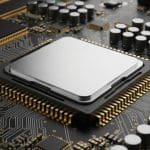
The minicomputer revolution emerged in the latter half of the 20th century as a pivotal technological shift, bridging the gap between large mainframes and personal computers (PCs). This era was marked by the rise of smaller, more affordable systems popularized by companies like Digital Equipment Corporation (DEC) with their PDP series. These minicomputers democratized access to computational power, enabling businesses across various industries to automate processes, streamline operations, and make faster decisions. The development of microprocessors, such as Intel’s 4004 in 1971, was a cornerstone of this revolution, facilitating the creation of smaller, more powerful computers that laid the groundwork for modern computing.
The economic impact of minicomputers was profound. They enhanced productivity by automating manufacturing processes and office tasks like data processing and accounting. This shift reduced reliance on manual labor, lowered costs, and allowed businesses to compete more effectively. The growth of IT sectors was driven by increased demand for skilled professionals to manage these systems, while smaller enterprises gained access to tools that helped level the playing field against larger competitors. This fostered a more dynamic business environment, contributing to overall economic development.
Technologically, the minicomputer era was marked by significant advancements that influenced modern computing. The development of Unix, initially created on minicomputers, had a lasting impact on software design and operating systems. These systems also demonstrated the potential of distributed processing and networked systems, concepts that became foundational in later technological advancements. While minicomputers faced challenges from emerging PC technology in the 1980s, their legacy remains significant as a stepping stone toward the digital age. The era’s technological advancements continue to influence modern computing, ensuring that minicomputers hold an important place in the history of technology.
The Impact Of Dec’s PDP Series
The Minicomputer Revolution marked a pivotal era in computing history, bridging the gap between the bulky mainframes of the 1960s and the personal computers that emerged in the late 1970s. These smaller, more affordable machines were revolutionary for their time, offering organizations unprecedented computational power without the prohibitive costs associated with mainframes. This shift democratized access to computing resources, enabling smaller businesses and academic institutions to leverage technology previously reserved for large corporations and government agencies.
At the forefront of this revolution was Digital Equipment Corporation (DEC) and its PDP series. The PDP-11, introduced in 1970, stands out as a landmark product due to its innovative design and versatility. It featured virtual memory capabilities, which allowed it to handle larger datasets and more complex tasks than its predecessors. This innovation made the PDP-11 a favorite among researchers and engineers, who appreciated its programmability and expandability. The system’s success underscored DEC’s ability to anticipate market needs and deliver cutting-edge solutions.
The rise of minicomputers like the PDP series also facilitated the development of networked computing environments. These machines were instrumental in enabling early networking technologies, such as ARPANET, which laid the groundwork for the modern internet. By connecting multiple minicomputers, organizations could share resources and data more efficiently, fostering collaboration and innovation across disciplines. This shift marked a significant step towards the interconnected digital world we live in today.
One of the most enduring legacies of the PDP series is its influence on software development. The Unix operating system, developed at Bell Labs in 1969, was initially run on a DEC PDP-7 and later ported to the PDP-11. This collaboration between hardware and software pioneers led to the creation of a robust, flexible OS that has shaped modern computing. Unix’s design principles, emphasizing modularity and portability, have influenced countless operating systems and continue to be relevant in today’s tech landscape.
Despite their eventual overshadowing by PCs and microcomputers, minicomputers like DEC’s PDP series left an indelible mark on the industry. They demonstrated that computing power did not have to be centralized or inaccessible, paving the way for a more distributed and democratized technological ecosystem. The innovations of this era continue to resonate, reminding us of the transformative potential of accessible technology.
Unix’s Role In Academic Computing
The Minicomputer Revolution marked a pivotal shift in computing history, bridging the gap between mainframes and personal computers (PCs). These machines were smaller, more affordable, and accessible than their predecessors, making them ideal for academic settings. Companies like Digital Equipment Corporation (DEC) played a significant role with their PDP series, which became synonymous with minicomputers in academia. This era democratized access to computing resources, enabling universities to integrate advanced technologies into their curricula and research.
Unix’s development at Bell Labs in 1969 was a cornerstone of this revolution. Its portability and multi-user capabilities made it an ideal choice for academic environments. Unix’s adoption during the 1970s and 1980s was driven by its ability to run on various minicomputer systems, fostering innovation and collaboration. This period saw Unix become a standard in universities, influencing both education and research methodologies.
The collaborative potential of minicomputers was enhanced by Unix’s architecture. It allowed multiple users to interact on a single system, facilitating teamwork and resource sharing. Tools like email and file-sharing systems emerged, creating an environment conducive to academic collaboration. This setup not only improved efficiency but also laid the groundwork for modern networked computing.
The Minicomputer Revolution served as a bridge between mainframes and PCs, making computing more accessible before the widespread adoption of personal computers. During this transition, minicomputers remained crucial in academic settings, shaping practices that influenced the development of PC-based systems. Their decline in the late 1980s coincided with the rise of PCs, but their impact on computing culture was enduring.
The legacy of this era is evident in today’s computing landscape. Unix’s principles continue to influence systems like Linux and macOS, underscoring its lasting impact. The Minicomputer Revolution advanced technology and established precedents for open-source development and collaborative environments, shaping the future of academic and professional computing.
Minicomputers As Tools For Business Innovation
The minicomputer revolution marked a pivotal shift in computing history, emerging in the 1960s as a bridge between mainframes and personal computers. These machines were smaller, more affordable, and accessible than mainframes, making them ideal for businesses seeking localized computing solutions. Companies like Digital Equipment Corporation (DEC) led this movement with their PDP series, which became iconic for their innovation and adaptability.
Minicomputers played a crucial role in decentralizing computing power within organizations. Unlike mainframes, which were centralized and often monopolized by large institutions, minicomputers allowed individual departments to manage their own data processing needs. This decentralization fostered greater efficiency and autonomy, enabling businesses to respond more dynamically to market changes.
The impact of minicomputers extended across various industries, driving significant advancements in healthcare, finance, and manufacturing. In healthcare, they facilitated the management of patient records and lab results, enhancing care coordination. In finance, they improved transaction processing speeds, reducing delays and errors. These applications underscored their versatility and transformative potential.
Minicomputers offered a more cost-effective and flexible solution for businesses than mainframes. They were less resource-intensive, requiring smaller physical spaces and fewer personnel to operate. This accessibility democratized computing power, allowing mid-sized companies to adopt advanced technologies previously reserved for large corporations.
The legacy of minicomputers is evident in their influence on modern computing architectures. Their design principles, emphasizing modularity and scalability, laid the groundwork for future innovations. While PCs and microcomputers eventually overshadowed them, minicomputers remain a testament to the era’s ingenuity and their enduring impact on business practices.
The Competitive Landscape Of Minicomputer Firms
The minicomputer revolution emerged in the 1960s as a pivotal shift in computing technology, offering smaller, more affordable alternatives to bulky mainframes. These devices, exemplified by Digital Equipment Corporation’s (DEC) PDP series, democratized access to computing power, enabling businesses and research institutions to adopt advanced technologies without prohibitive costs. This era marked a significant departure from the centralized computing model of mainframes, fostering innovation across various sectors.
The competitive landscape among minicomputer firms was intense, with key players like DEC, Data General, and Hewlett-Packard (HP) vying for market dominance. Each company employed distinct strategies: DEC focused on creating a comprehensive ecosystem around its products, while Data General emphasized flexibility and customization to meet diverse customer needs. HP, leveraging its reputation for reliability, targeted specific industries with tailored solutions. This competition drove rapid advancements in technology and user accessibility.
A pivotal moment in the industry was the shift from proprietary systems to open architectures, significantly influenced by DEC’s embrace of Unix. This transition allowed third-party developers to create software and hardware compatible with minicomputers, fostering a vibrant ecosystem. Companies like Sun Microsystems capitalized on this trend, promoting networked computing solutions that further expanded the capabilities of minicomputers.
The decline of the minicomputer market in the late 1980s was precipitated by the rise of personal computers (PCs) and workstations. These newer technologies offered comparable performance at lower costs, rendering many minicomputers obsolete. The shift underscored the industry’s vulnerability to technological disruptions, as firms struggled to adapt their business models to the changing market dynamics.
Despite their eventual decline, minicomputers left an indelible mark on computing history. They laid the groundwork for modern networked environments and open-source software, influencing subsequent generations of technology. The lessons from this era highlight the importance of adaptability and innovation in sustaining competitive advantage in rapidly evolving industries.
Hardware Advances Shaping Modern Computing
The Minicomputer Revolution marked a pivotal shift in computing history, bridging the gap between mainframes and personal computers (PCs). These machines were smaller, more affordable, and more accessible than their predecessors, making them ideal for businesses that needed computational power without the prohibitive costs of mainframes. The defining feature of minicomputers was their use of microprocessors, which replaced the large circuit boards found in mainframes, enabling a new level of efficiency and scalability.
Digital Equipment Corporation (DEC) played a central role in this era with its PDP series, particularly the PDP-11, which became iconic for its versatility and influence on subsequent computer architectures. Other notable manufacturers included Hewlett-Packard (HP) and Data General, whose products were instrumental in popularizing minicomputers during the 1970s and 1980s. These systems were widely adopted for tasks such as process control, data processing, and scientific research, areas where mainframes were less efficient or cost-effective.
The development of microprocessors by companies like Intel was a cornerstone of this revolution. The introduction of the Intel 4004 in 1971 marked the beginning of a new era, enabling the creation of smaller, more powerful computers. This technological advancement paved the way for personal computers, as companies such as Commodore and Apple began producing affordable systems for individual users and small businesses.
Despite their significance, the minicomputer era is often overlooked in the narrative of computing history. This can be attributed to several factors, including the rapid rise of PCs that overshadowed minicomputers and the subsequent decline of many minicomputer manufacturers as market dynamics shifted. Additionally, the continued evolution of mainframes into specialized systems further diminished the spotlight on minicomputers.
The Minicomputer Revolution laid the groundwork for modern computing by fostering innovation in hardware and software. It influenced the development of networking and distributed systems, concepts that are fundamental to today’s digital landscape. The era also saw the rise of Unix, an operating system initially developed on minicomputers, which has had a lasting impact on computing architecture and software design.
The Economic Effects Of Minicomputers
The minicomputer revolution marked a pivotal technological shift, bridging the gap between large mainframes and personal computers (PCs). These devices were smaller, more affordable, and accessible to a broader range of businesses, enabling automation and efficiency improvements across various sectors. Companies like Digital Equipment Corporation (DEC) with their PDP series introduced minicomputers, instrumental in democratizing computing power, allowing organizations to adopt advanced technologies without the prohibitive costs associated with mainframes.
Regarding economic impact, minicomputers played a crucial role in enhancing productivity within industries. They facilitated automation in manufacturing processes and streamlined office tasks such as data processing and accounting. This shift increased operational efficiency and reduced reliance on manual labor, thereby lowering overall costs for businesses. The ability to process data more quickly compared to mainframes allowed companies to make faster, more informed decisions, contributing to competitive advantages.
The economic effects extended beyond productivity gains. The minicomputer era fostered the creation of new industries and job opportunities. The demand for skilled professionals to install, maintain, and program these systems led to the growth of IT sectors within businesses. Additionally, smaller enterprises that previously could not afford computing technologies now had access to tools that could help them compete with larger competitors, promoting a more dynamic business environment.
Despite their contributions, minicomputers faced challenges from emerging PC technology in the 1980s. PCs offered even greater affordability and flexibility, leading to a decline in minicomputer sales. However, minicomputers laid the groundwork for modern computing during their heyday by demonstrating the potential of distributed processing and networked systems, concepts that became foundational in later technological advancements.
In summary, the minicomputer revolution had profound economic effects, driving automation, enhancing productivity, creating new industries, and fostering innovation. While PCs eventually overshadowed their dominance, their legacy remains significant as a stepping stone toward the digital age we live in today.