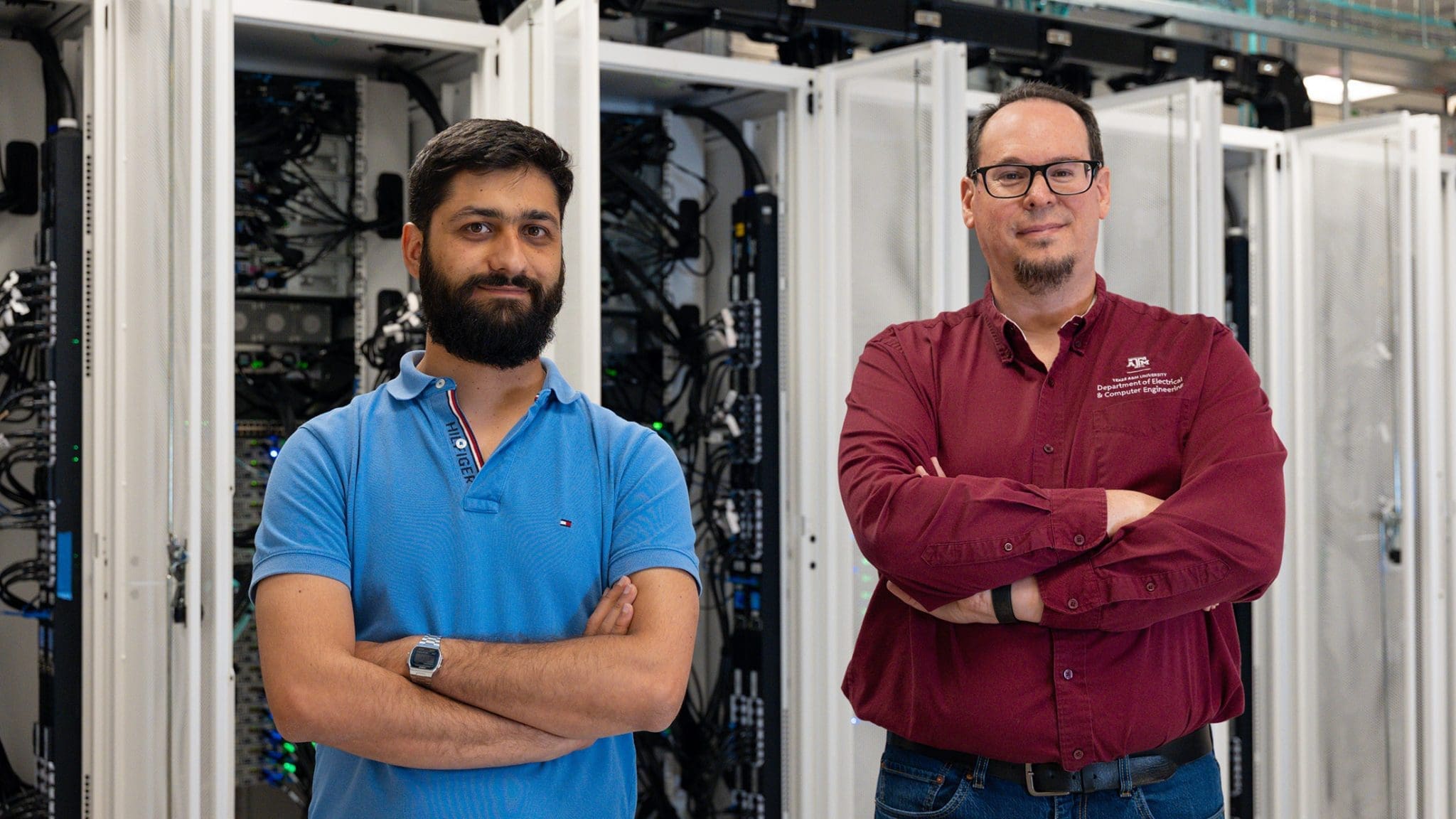
Skia, developed by researchers from Texas A&M University in collaboration with Intel, AheadComputing, and Princeton, is a novel technique designed to improve computing performance in data centers by enhancing the prediction of future instructions. By identifying ‘shadow branches’—unused instructions within cache lines—the system reduces bottlenecks, increasing processing efficiency and throughput. This approach has the potential to significantly lower operational costs for companies by reducing energy consumption and the number of required data centers. The research was presented at a leading computer architecture conference.
Introduction to Data Center Processing Inefficiencies
Data centers are critical hubs for processing vast amounts of information, but the complexity of predicting processor instructions often hampers their efficiency. As these systems handle increasingly complex workloads, traditional methods of instruction prediction struggle to keep pace, leading to slower performance and inefficiency.
A significant challenge arises from the sheer volume and complexity of instruction streams, which can overwhelm current processing capabilities. Systems like Fetch Directed Instruction Prefetching (FDIP) attempt to mitigate this by anticipating instructions, but they face limitations, particularly when Branch Target Buffers (BTBs) fail, resulting in shadow branches that complicate processing further.
These inefficiencies highlight the need for innovative solutions to enhance data center performance and reduce resource consumption.
The Development of Skia: A New Technique for Instruction Prediction
The researchers developed Skia, a technique named after the Greek word for shadow, to address these inefficiencies. Skia identifies and decodes shadow branches—unused instructions within cache lines—that remain undecoded by traditional systems. By storing these decoded shadow branches in a Shadow Branch Buffer, Skia enables more accurate instruction prediction and reduces cache pollution caused by incorrect predictions.
The technique demonstrates significant performance improvements with minimal hardware overhead. For instance, implementing Skia can nearly double the efficiency of data center operations compared to simply expanding existing storage solutions. This improvement translates into tangible benefits, such as reducing the number of required data centers by up to 10%, which lowers costs and energy consumption.
Skia’s effectiveness stems from its ability to leverage previously unused instructions, enhancing throughput without requiring substantial changes to existing architectures. The researchers published their findings in collaboration with experts from Princeton University, Intel Corporation, and AheadComputing, highlighting the technique’s potential to revolutionize instruction prediction in data centers.
Understanding Shadow Branches and Their Impact on Performance
Shadow branches are unused instructions within cache lines that remain undecoded by traditional systems, complicating processing efficiency. These inefficiencies arise when Branch Target Buffers (BTBs) fail, leading to incorrect predictions and cache pollution. As data centers handle increasingly complex workloads, such inefficiencies become more pronounced, affecting overall performance.
Skia addresses these challenges by identifying and decoding shadow branches, storing them in a Shadow Branch Buffer for improved instruction prediction accuracy. This approach reduces cache pollution and enhances throughput without requiring significant changes to existing architectures. The technique demonstrates notable performance improvements, achieving nearly double the efficiency of data center operations compared to expanding storage solutions.
By leveraging previously unused instructions, Skia optimizes resource utilization and reduces energy consumption. Its implementation can lower the number of required data centers by up to 10%, translating into tangible cost savings and environmental benefits. The research, conducted in collaboration with experts from Princeton University, Intel Corporation, and AheadComputing, underscores Skia’s potential to significantly improve instruction prediction in modern data centers.
Enhancing Throughput and Reducing Power Consumption in Data Centers
Data centers face significant challenges in maintaining efficient operations as workloads grow increasingly complex. Traditional instruction prediction systems often struggle to keep pace, leading to inefficiencies that increase power consumption and operational costs.
Skia offers a solution by improving instruction prediction accuracy by identifying and decoding shadow branches. By storing these decoded instructions in a Shadow Branch Buffer, Skia reduces cache pollution and enhances overall processing efficiency. This results in significant performance improvements with minimal hardware overhead, enabling data centers to operate more efficiently while reducing energy consumption.
The implementation of Skia can lead to substantial cost savings by lowering the number of required data centers by up to 10%. These benefits underscore the potential of innovative techniques like Skia to advance data center performance and sustainability.
More information
External Link: Click Here For More