Scientists from the University of California, Riverside, have identified methyl halides as potential biosignatures for detecting life on exoplanets beyond our solar system. These gases, produced by Earth’s bacteria, algae, fungi, and plants, could accumulate in the atmospheres of Hycean worlds—large planets with deep oceans and hydrogen-rich atmospheres orbiting red stars.
The James Webb Space Telescope is well-suited for this detection due to methyl halides’ strong infrared absorption features. This allows identification within about 13 hours—a timeframe more efficient than detecting other biosignatures like oxygen or methane. This method offers a promising strategy for exploring microbial life beyond Earth.
Expanding Research into Other Gases and Extreme Environments
Methyl halides, organic compounds composed of a methyl group bonded to a halogen such as chlorine or bromine, are produced by various Earth organisms including bacteria, marine algae, fungi, and certain plants. These gases hold promise as biosignatures due to their potential to indicate life on distant exoplanets.
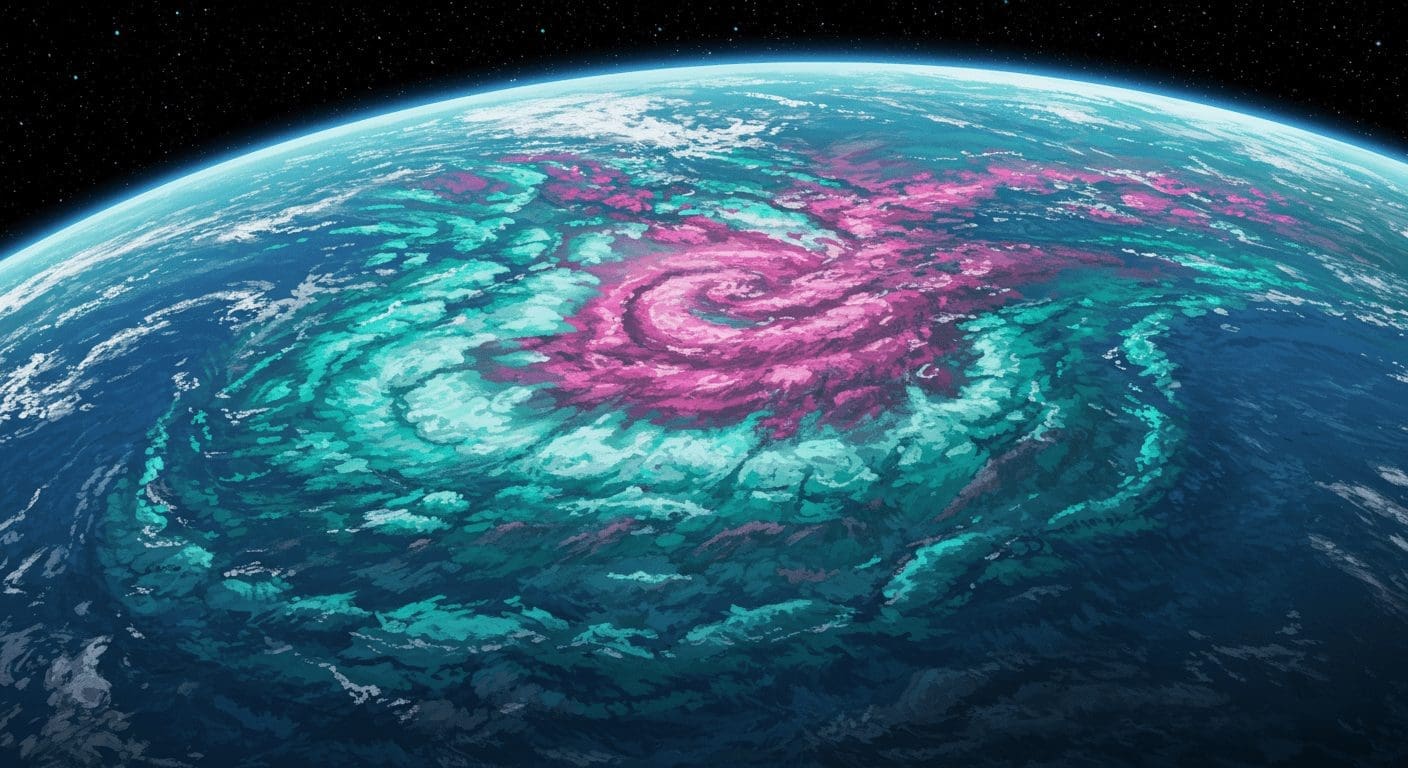
Recent studies have focused on Hycean worlds—large planets with deep oceans and thick hydrogen atmospheres orbiting red stars. These planets are more detectable by the James Webb Space Telescope (JWST) than Earth-like planets, which are often too small and dim for JWST’s instruments. The atmospheric composition of Hycean worlds provides a clearer signal, making them ideal candidates for methyl halide detection.
Methyl halides exhibit strong absorption features in infrared light, enhancing their detectability. Their potential accumulation in hydrogen-rich atmospheres increases the likelihood of successful detection using current technology like JWST, potentially within 13 hours—a timeframe that balances efficiency and cost-effectiveness.
The microbes producing these gases on Hycean worlds would likely be anaerobic, adapted to extreme environments unlike those found on Earth. This raises intriguing possibilities about the diversity of life forms in such conditions.
While previous research explored other biosignatures like dimethyl sulfide, methyl halides have emerged as more promising due to their infrared properties and potential for high concentration detection. Future advancements, such as telescopes like LIFE, could further enhance detection capabilities, potentially confirming biosignatures rapidly.
Researchers are expanding their work to include other gases and extreme environments on Earth, such as those near the Salton Sea, to better understand the range of possible biosignatures in extraterrestrial settings. This ongoing exploration underscores the significance of methyl halides in the quest to find life beyond our planet.
Hycean planets, characterized by their deep oceans and thick hydrogen atmospheres, present unique conditions that make them prime targets for detecting methyl halides. These worlds orbit red stars, which emit light in wavelengths that JWST is particularly adept at capturing, enhancing the telescope’s ability to analyze their atmospheres. The combination of a hydrogen-rich atmosphere and the planet’s size makes Hycean worlds more detectable than Earth-like planets, which are often too small and dim for current instruments.
The detection of methyl halides on these planets hinges on their strong absorption features in the infrared spectrum. This property allows researchers to identify these compounds using spectroscopy, even at great distances. The potential accumulation of methyl halides in hydrogen-dominated atmospheres further increases the likelihood of successful detection.
The microbes producing these gases on Hycean worlds would likely be anaerobic, adapted to extreme environments unlike those found on Earth. This raises intriguing possibilities about the diversity of life forms in such conditions.
While previous research explored other biosignatures like dimethyl sulfide, methyl halides have emerged as more promising due to their infrared properties and potential for high concentration detection. Future advancements, such as telescopes like LIFE, could further enhance detection capabilities, potentially confirming biosignatures rapidly.
Researchers are expanding their work to include other gases and extreme environments on Earth, such as those near the Salton Sea, to better understand the range of possible biosignatures in extraterrestrial settings. This ongoing exploration underscores the significance of methyl halides in the quest to find life beyond our planet.
The broader implications of this research contribute significantly to our understanding of life’s potential beyond Earth. By studying these gases and their interactions with planetary environments, we gain insights into the chemical processes that may sustain life on exoplanets. This knowledge is crucial for interpreting any signals detected by current or future telescopes and informs the design of missions aimed at exploring habitable worlds.
In conclusion, expanding research into other gases and extreme environments not only enhances our ability to detect biosignatures but also deepens our understanding of the diverse conditions under which life might thrive. This work paves the way for exciting discoveries in astrobiology and guides the development of technologies that will continue to push the boundaries of our exploration of the universe.
More information
External Link: Click Here For More