

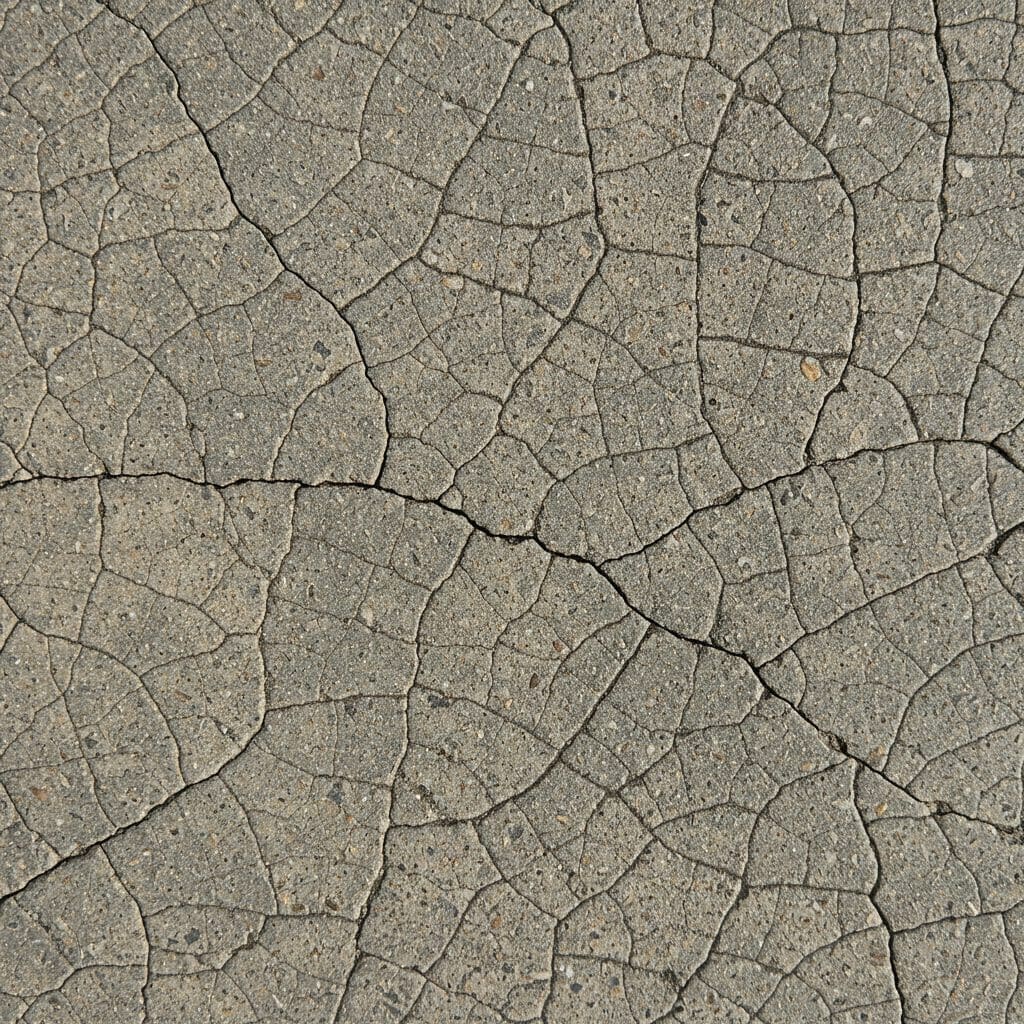
Dr. Congrui Grace Jin and her team at Texas A&M University’s College of Engineering have developed a self-healing concrete system inspired by natural lichen. The synthetic system uses fungi and cyanobacteria to autonomously repair cracks in concrete without external nutrients, as these microbes convert air, light, and water into repair materials. This approach addresses the costly issue of structural failures caused by cracking, offering potential for reduced maintenance costs, extended infrastructure longevity, and enhanced safety.
Self-Healing Concrete Inspired by Nature
Concrete cracking is a significant challenge in construction, leading to structural vulnerabilities and costly repairs. To address this issue, researchers at Texas A&M University have developed an innovative solution inspired by natural processes: a synthetic lichen system that enables autonomous healing of concrete structures.
Lichens are symbiotic organisms composed of fungi and algae or cyanobacteria. In nature, they play a crucial role in breaking down rocks and minerals. Drawing on this principle, the researchers created a bio-based composite material that mimics the behavior of lichens. This system integrates cyanobacteria and filamentous fungi to replicate the natural symbiosis found in lichens.
The synthetic lichen system works by embedding spores of both fungi and cyanobacteria into concrete during its production. When cracks form, water and nutrients seep into the fractures, activating the dormant spores. The cyanobacteria begin photosynthesis, producing energy for themselves and the fungi. In return, the fungi grow hyphae that bind the cracked surfaces together, effectively sealing the gaps.
This bio-based approach offers several advantages over traditional repair methods. It eliminates the need for external interventions, such as manual patching or chemical treatments. Additionally, it reduces the environmental impact of concrete maintenance by relying on natural biological processes rather than synthetic materials.
The researchers have tested the system under various conditions, including exposure to harsh weather and different types of concrete mixtures. The results demonstrate that the synthetic lichen system can significantly extend the lifespan of concrete structures while reducing maintenance costs.
Looking ahead, this technology has the potential to revolutionize the construction industry by making buildings more durable and sustainable. It also opens new avenues for bio-inspired materials in other applications, such as infrastructure repair and environmental remediation.
By harnessing the power of nature, engineers can create smarter, self-healing materials that address some of the most pressing challenges in modern construction. The synthetic lichen system represents a promising step toward achieving this vision, offering a sustainable solution for building safer and more resilient structures.
How the Synthetic Lichen System Works
The synthetic lichen system is designed to mimic the natural symbiosis between fungi and cyanobacteria. Here’s how it works:
- Embedding Spores: During concrete production, spores of both fungi and cyanobacteria are embedded into the material.
- Activation: When cracks form in the concrete, water and nutrients seep into the fractures, activating the dormant spores.
- Photosynthesis: The cyanobacteria begin photosynthesis, producing energy for themselves and the fungi.
- Fungal Growth: The fungi grow hyphae that bind the cracked surfaces together, effectively sealing the gaps.
- Self-Healing: This process continues over time, gradually repairing the cracks and restoring the structural integrity of the concrete.
This bio-based approach eliminates the need for external interventions, making it a cost-effective and environmentally friendly solution for maintaining concrete structures.
Advantages Over Traditional Methods
The synthetic lichen system offers several advantages over traditional repair methods:
- Autonomous Healing: The system operates independently without requiring human intervention or additional materials.
- Sustainability: By relying on natural biological processes, it reduces the environmental impact of concrete maintenance.
- Cost Efficiency: It minimizes the need for frequent repairs and replacements, lowering long-term maintenance costs.
- Durability: The self-healing properties extend the lifespan of concrete structures, enhancing their overall performance and safety.
These benefits make the synthetic lichen system a groundbreaking innovation in materials science, paving the way for smarter and more sustainable construction practices.
Testing and Validation
The researchers conducted extensive testing to evaluate the effectiveness of the synthetic lichen system under various conditions. Key findings include:
- Crack Healing: The system successfully repaired cracks of varying sizes and depths in concrete samples.
- Environmental Adaptability: It demonstrated resilience against harsh weather conditions, including temperature fluctuations and moisture exposure.
- Material Compatibility: The system worked effectively with different types of concrete mixtures, showcasing its versatility.
These results highlight the potential of the synthetic lichen system to revolutionize the construction industry by providing a reliable and sustainable solution for maintaining concrete structures.
Future Applications and Implications
The success of the synthetic lichen system opens new possibilities for bio-inspired materials in various fields. Potential applications include:
- Infrastructure Repair: Using self-healing materials to maintain bridges, roads, and other critical infrastructure.
- Environmental Remediation: Employing similar biological processes to clean up contaminated sites or restore degraded ecosystems.
- Building Construction: Integrating bio-based systems into new construction projects to enhance durability and reduce maintenance needs.
By harnessing the power of nature, engineers can create smarter, self-healing materials that address some of the most pressing challenges in modern construction. The synthetic lichen system represents a promising step toward achieving this vision, offering a sustainable solution for building safer and more resilient structures.
This innovation not only advances materials science but also contributes to global efforts to promote sustainability and reduce environmental impact. As researchers continue to refine and expand upon this technology, it holds the potential to transform the way we design and maintain our built environment.
More information
External Link: Click Here For More


