National Taiwan University is partnering with SEEQC to advance quantum electronics and accelerate the commercialization of its quantum computing platform. This collaboration unites Taiwan’s semiconductor capabilities with SEEQC’s digital quantum control technology, working toward a fully integrated, chip-based quantum computer. SEEQC is the first company to demonstrate a scalable quantum computer with on-chip cryogenic control.
Taiwan-US Partnership Accelerates SFQ Quantum Computing
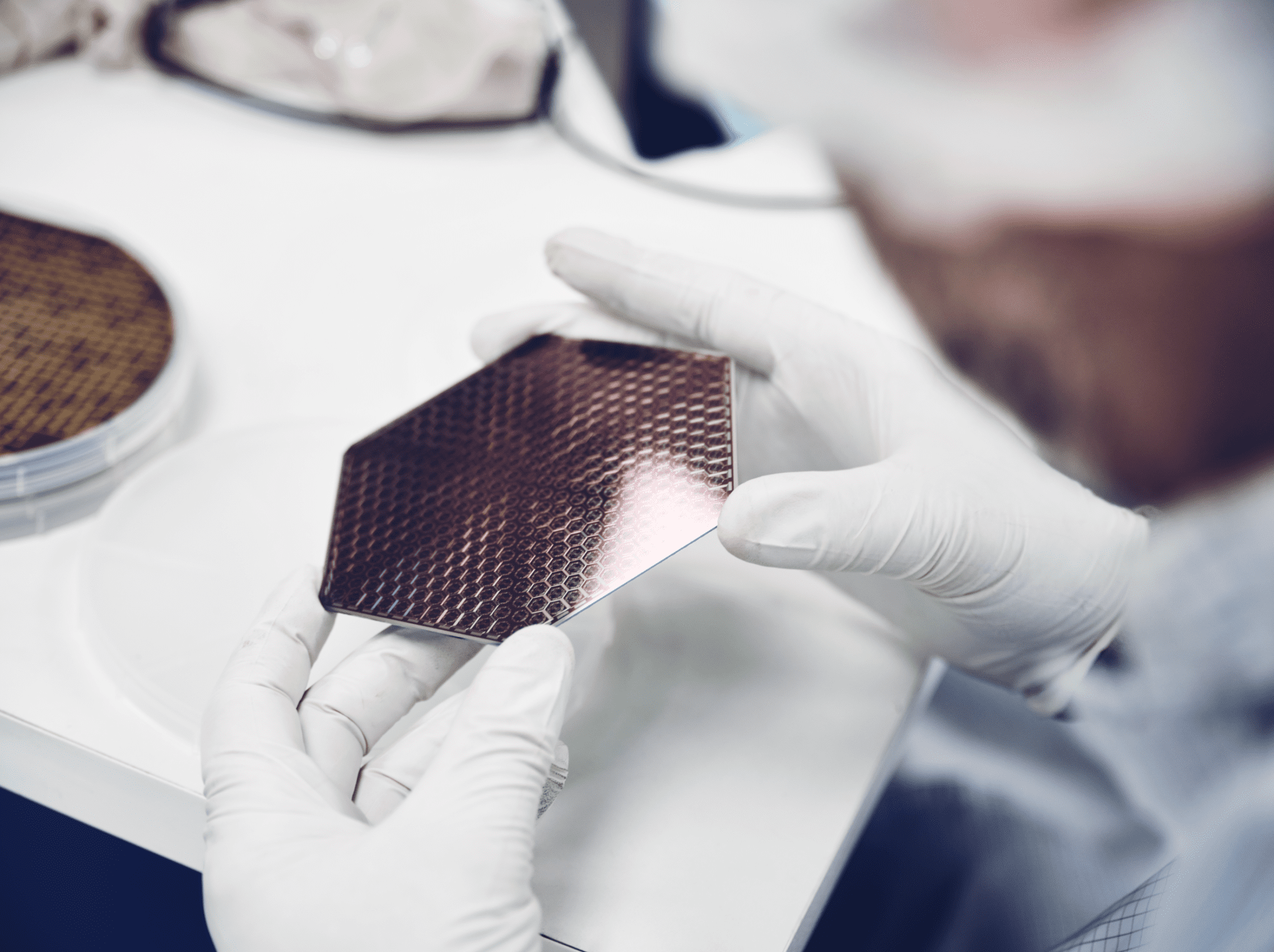
SEEQC’s partnerships with Taiwanese entities like Kinpo Group and ITRI are central to accelerating their Single Flux Quantum (SFQ) computing platform. Kinpo is co-developing room-temperature electronics essential for SEEQC’s SFQ control chips, leveraging their expertise in precision manufacturing and measurement. ITRI is providing vital support in superconducting chip manufacturing, building on its history establishing Taiwan’s semiconductor industry—critical for scalable production. National Taiwan University is collaborating with UC Berkeley to create high-speed CMOS electronic interfaces for SEEQC’s SFQ processors, culminating in a joint chip design at TSMC. This collaborative research, led by Professor Jun-Chau Chien, highlights an exchange of expertise across the Pacific.
Kinpo & ITRI Support SEEQC’s Chip Manufacturing
Kinpo Group is actively co-developing room-temperature electronics specifically for SEEQC’s Single Flux Quantum (SFQ) control chips, addressing the need for reliable performance at scale. As both a technical collaborator and strategic investor, Kinpo provides manufacturing and measurement expertise that complements SEEQC’s quantum architecture. This collaboration focuses on creating cost-effective electronics essential for moving SEEQC’s technology toward commercial availability. ITRI plays a crucial role in manufacturing SEEQC’s superconducting chips, leveraging Taiwan’s established strength in semiconductor process development. This support forms the foundation of SEEQC’s Taiwan strategy, building upon ITRI’s historical role in establishing the country’s modern semiconductor industry. Working together, ITRI and SEEQC aim to advance the ecosystem needed for future quantum computing, reinforcing a resilient supply chain.
Taiwan is the center of gravity for global IC manufacturing, packaging, and design – and the place where modern chipmaking’s most advanced capabilities continue to evolve.
John Levy, CEO of SEEQC
NTU & UC Berkeley Advance CMOS Interfaces for Processors
This research focuses on high-speed CMOS (Complementary Metal-Oxide-Semiconductor) technology, crucial for efficiently translating signals to and from the superconducting quantum circuits. A joint chip design, or “tape-out,” was conducted at TSMC, signifying a practical step toward integrating these advanced interfaces into a functioning system. Professor Jun-Chau Chien at NTU, an expert in mixed-signal circuits, is leading this effort to improve the speed and performance of these CMOS interfaces. Developing these interfaces is vital because they directly impact how quickly data can be processed by SEEQC’s Single Flux Quantum (SFQ) processors. This collaboration strengthens the alliance between the US and Taiwan while building a resilient supply chain for next-generation computing technologies.