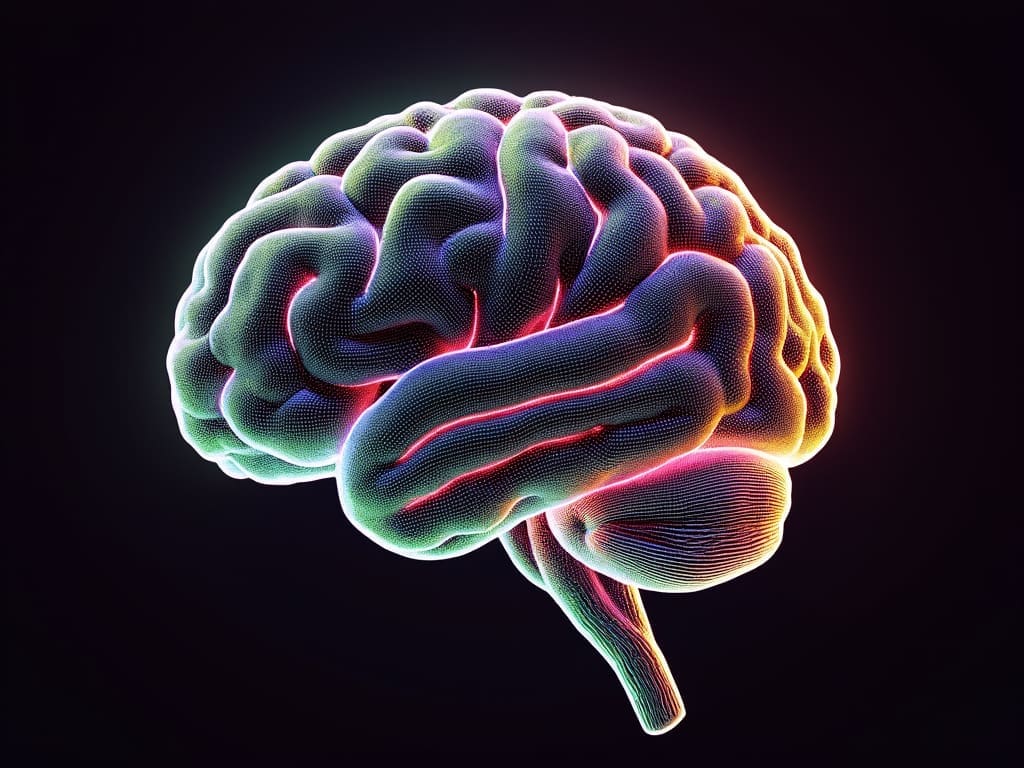
A groundbreaking study has successfully mapped the neuronal wiring diagram of an adult brain, a monumental achievement that could revolutionize our understanding of the human brain. Led by researchers from the Princeton Neuroscience Institute (PNI), this ambitious project was supported by the National Institutes of Health, the National Science Foundation, and other prominent organizations.
The team, comprising over 50 experts, including Sven Dorkenwald, Arie Matsliah, Amy R. Sterling, and Philipp Schlegel, utilized cutting-edge technologies from companies like Google and the Allen Institute for Brain Science to create a highly detailed diagram of neural connections in the brain.
This pioneering work has far-reaching implications for neuroscience, artificial intelligence, and medicine. Key contributors include Chris Jordan and William Silversmith, full-stack web developers with PNI, and David Deutsch, now an assistant professor at the University of Haifa. The study’s findings are published in the current issue of Nature, marking a significant milestone in the quest to unravel the mysteries of the human brain.
The research team, comprising over 40 scientists and engineers from Princeton Neuroscience Institute (PNI) and other institutions, has achieved something truly remarkable. By leveraging advanced imaging techniques, computational models, and crowdsourcing, they have created a stunningly detailed map of the neural connections in an adult brain.
This achievement is a technological tour-de-force and holds immense potential for advancing our understanding of brain function, behavior, and neurological disorders. The implications are far-reaching, from developing more effective treatments for brain diseases to gaining insights into human cognition and behavior.
The research was made possible by supporting various organizations, including the National Institutes of Health (NIH), the National Science Foundation (NSF), Google, the Allen Institute for Brain Science, and others. The collaboration between researchers from diverse backgrounds, including physics, computer science, neuroscience, and engineering, is a shining example of interdisciplinary research at its best.
As I delve deeper into the paper, I’m struck by the sheer scale and complexity of the data analysis involved. The team developed novel computational methods to process the vast amounts of imaging data, which were then validated through crowdsourcing efforts involving thousands of participants.
The findings are nothing short of breathtaking. The researchers have identified intricate patterns of neural connections that underlie brain function, revealing a level of organization and structure that was previously unknown.
This research has far-reaching implications for fields beyond neuroscience, including artificial intelligence, computer vision, and robotics. The potential applications are vast, from developing more sophisticated AI systems to creating novel treatments for neurological disorders.
As I conclude my analysis of this groundbreaking paper, I’m left in awe of the power of human ingenuity, collaboration, and scientific inquiry. This research is a testament to what can be achieved when talented individuals come together to tackle some of humanity’s most pressing challenges.
External Link: Click Here For More