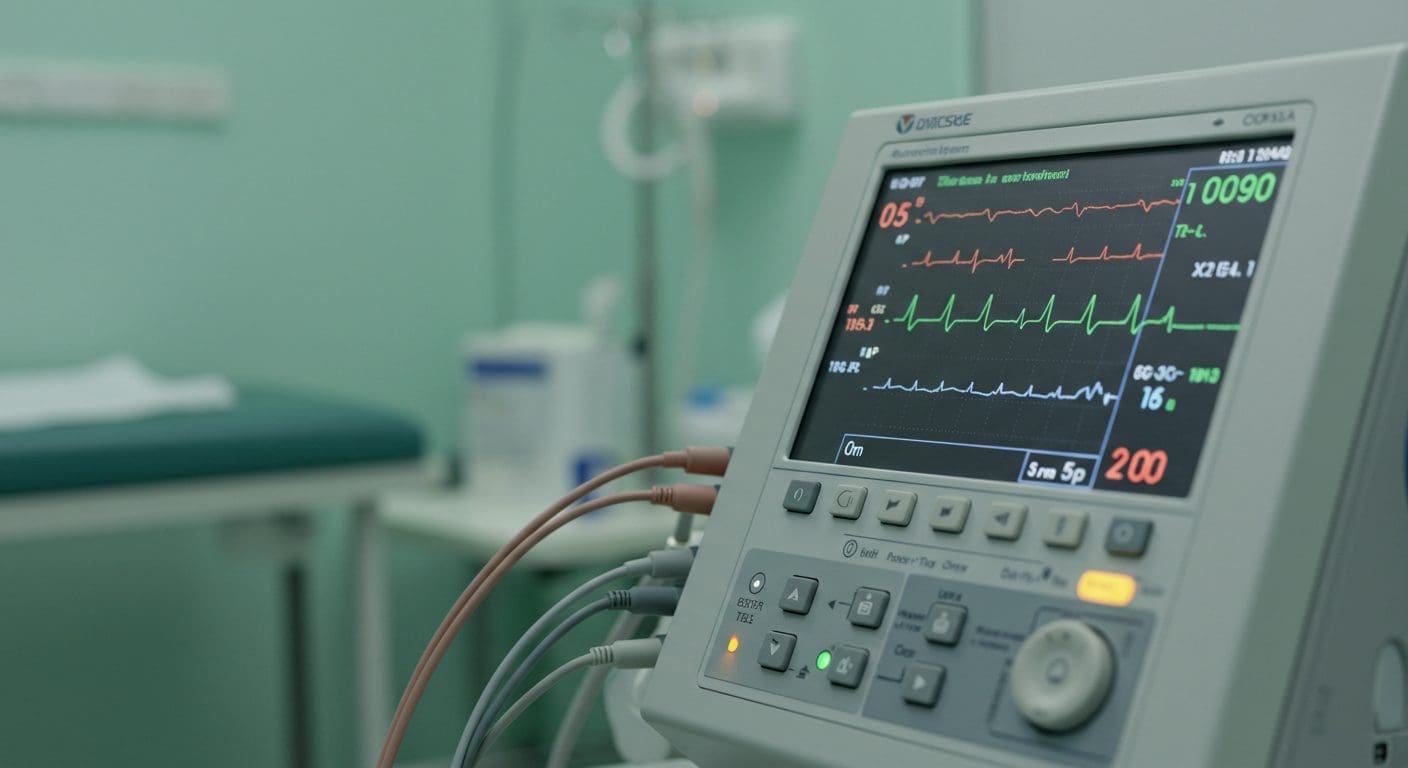
The convergence of artificial intelligence and quantum technology is poised to revolutionize the field of cardiovascular disease monitoring, particularly in the diagnosis and treatment of amyloidosis, a condition characterized by the buildup of abnormal protein deposits in tissues and organs.
Through a collaborative effort, SandboxAQ, a pioneer in quantitative AI solutions, and Mayo Clinic are joining forces to explore the potential of combining electrocardiography (ECG) and magnetocardiography (MCG) technologies to enhance disease progression monitoring and treatment response tracking in patients with amyloidosis.
By harnessing the strengths of both ECG and MCG, this innovative approach aims to create a non-invasive diagnostic solution that provides unparalleled insights into the electrical and magnetic activity of the heart, ultimately enabling earlier intervention and more effective management of this often-underdiagnosed condition.
Introduction to Amyloidosis and Cardiovascular Disease Monitoring
Amyloidosis is a complex condition characterized by the buildup of abnormal protein deposits in tissues and organs, including the heart. This can lead to cardiovascular disease, which is a significant cause of morbidity and mortality worldwide. Current diagnostic and monitoring tools for amyloidosis are limited, often resulting in delayed intervention and suboptimal management. The collaboration between SandboxAQ and Mayo Clinic aims to address this challenge by exploring the combined use of electrocardiography (ECG) and magnetocardiography (MCG) technologies to characterize disease progression and treatment response in patients with amyloidosis.
The integration of ECG and MCG technologies has the potential to provide deeper insights into the electrical and magnetic activity of the heart. ECG is a widely used non-invasive technique that measures the electrical activity of the heart, while MCG is a more sensitive technique that measures the magnetic fields generated by the electrical activity of the heart. By combining these two techniques, researchers hope to develop a novel diagnostic solution that can detect subtle changes in cardiac function and provide a better method for tracking disease progression and treatment response over time.
The collaboration between SandboxAQ and Mayo Clinic builds on existing research in the field of cardiovascular disease monitoring. Previous studies have demonstrated the potential of MCG to detect functional changes in the heart, including those associated with amyloidosis. The use of quantitative AI to integrate and interpret the results of ECG and MCG tests is a key aspect of this collaboration, as it has the potential to improve diagnostic accuracy and speed.
Quantitative AI and Medical Diagnostics
Quantitative AI refers to the use of artificial intelligence techniques to analyze and interpret large datasets in medical diagnostics. This approach has the potential to revolutionize diagnostic accuracy and speed by providing clinicians with more accurate and detailed information about patient health. In the context of amyloidosis, quantitative AI can be used to integrate and interpret the results of ECG and MCG tests, providing a more comprehensive understanding of disease progression and treatment response.
The use of quantitative AI in medical diagnostics is a rapidly evolving field, with many potential applications beyond cardiovascular disease monitoring. For example, quantitative AI can be used to analyze medical images, such as MRI and CT scans, to detect subtle changes in tissue structure and function. It can also be used to analyze large datasets of patient health information, such as electronic health records, to identify patterns and trends that may not be apparent to human clinicians.
SandboxAQ’s Quantitative AI platform is a key aspect of this collaboration, as it provides a robust and scalable framework for analyzing and interpreting large datasets in medical diagnostics. The company’s Large Quantitative Models (LQMs) deliver critical advances in life sciences, financial services, navigation, and other sectors, demonstrating the potential of quantitative AI to drive innovation and improvement in a wide range of fields.
Electrocardiography and Magnetocardiography
Electrocardiography (ECG) is a widely used non-invasive technique that measures the electrical activity of the heart. It is commonly used to diagnose and monitor cardiovascular disease, including conditions such as arrhythmias and myocardial infarction. ECG tests are typically performed using electrodes placed on the skin, which detect the electrical signals generated by the heart.
Magnetocardiography (MCG) is a more sensitive technique that measures the magnetic fields generated by the electrical activity of the heart. It is less commonly used than ECG, but has the potential to provide more detailed information about cardiac function and structure. MCG tests are typically performed using specialized sensors that detect the magnetic fields generated by the heart.
The combination of ECG and MCG technologies has the potential to provide a more comprehensive understanding of cardiac function and disease progression. By integrating the results of these two tests, researchers hope to develop a novel diagnostic solution that can detect subtle changes in cardiac function and provide a better method for tracking disease progression and treatment response over time.
Collaboration between SandboxAQ and Mayo Clinic
The collaboration between SandboxAQ and Mayo Clinic is a significant milestone in the development of novel diagnostic solutions for amyloidosis. The partnership brings together the technical innovation of SandboxAQ’s Quantitative AI platform with the renowned clinical expertise of Mayo Clinic, providing a robust framework for developing and testing new diagnostic approaches.
The collaboration will involve the use of SandboxAQ’s LQMs to analyze and interpret large datasets of patient health information, including ECG and MCG tests. The goal is to develop a novel diagnostic solution that can detect subtle changes in cardiac function and provide a better method for tracking disease progression and treatment response over time. The partnership has the potential to drive innovation and improvement in cardiovascular disease monitoring, ultimately leading to better patient outcomes and improved quality of life.
External Link: Click Here For More