Integrating robotics and automation into various sectors has transformed work and society by enhancing efficiency and addressing labor shortages. Initially confined to manufacturing, robots have expanded into healthcare, agriculture, and service industries, offering innovative solutions tailored to these fields. Japan leads the way in elder care with robots designed to assist the aging population, such as PARO, a therapeutic robot seal, and Pepper, a humanoid companion developed by Hitachi and SoftBank. These robots provide emotional support and monitor health conditions, significantly improving the quality of life for elderly individuals.
Agriculture is transforming with automation, mainly through precision farming techniques. Drones with sensors and autonomous tractors optimize crop management by monitoring soil conditions and applying resources efficiently. As documented in their publications, companies like John Deere have pioneered this approach. Additionally, indoor farming systems, such as those developed by Bowery Farming, utilize robots to cultivate crops year-round, increasing productivity and sustainability.
The societal impact of automation is profound, reshaping the workforce, social structures, and cultural norms. As robots become more prevalent in everyday life, issues such as job security, wealth distribution, and the role of humans in an increasingly automated world have come to the forefront. Policymakers, ethicists, and technologists are now discussing how to regulate automation to ensure its benefits are equitably distributed while minimizing harm. Despite these challenges, automation offers significant potential for improving the quality of life and addressing societal needs. For instance, robots can perform dangerous or physically demanding tasks, reducing risks to human workers. They can also enhance accessibility for individuals with disabilities by providing assistive technologies. However, realizing this potential requires careful consideration of ethical principles, such as transparency, accountability, and respect for human dignity.
The Origins Of Industrial Robotics
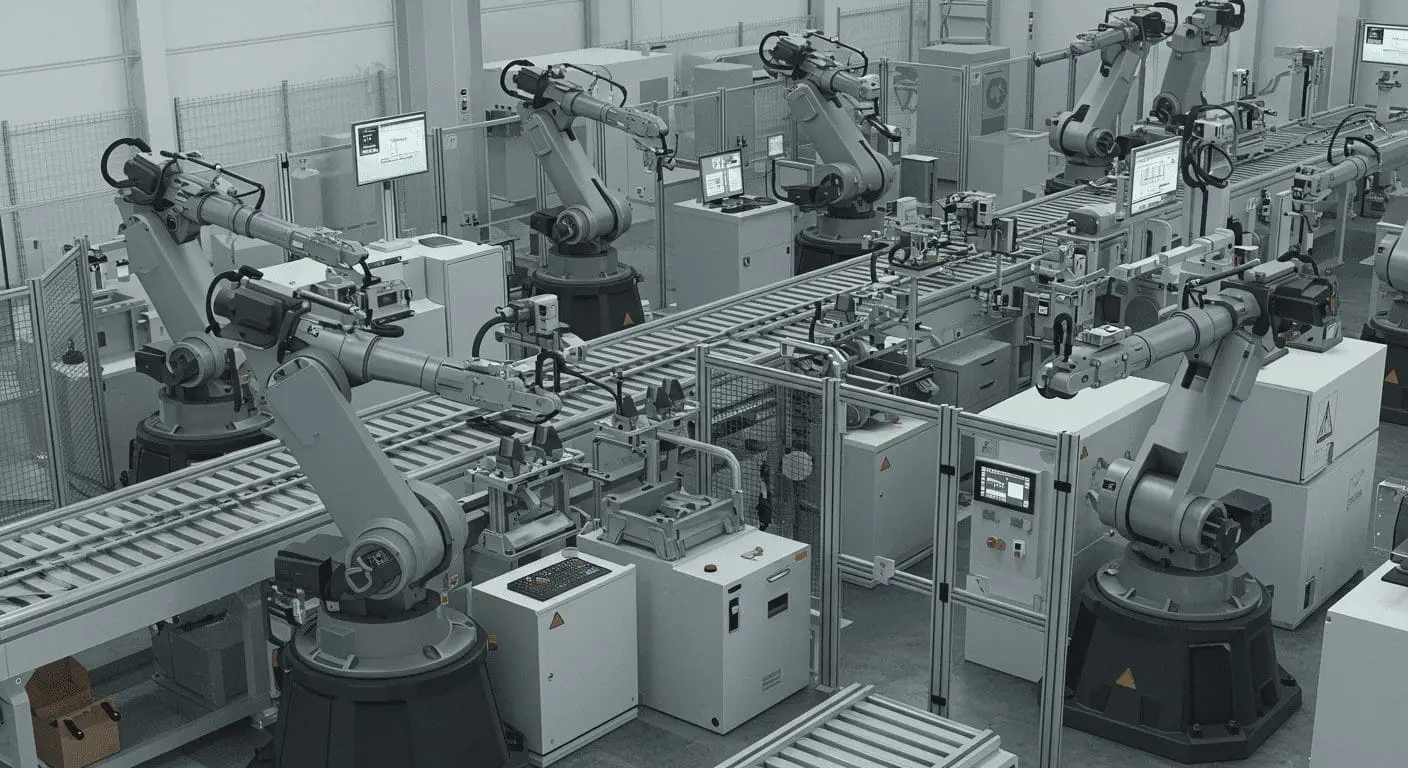
The origins of industrial robotics can be traced back to the mid-20th century when technological advancements in automation began to take shape. The development of programmable robots was significantly influenced by the work of George Devol and Joseph Engelberger, who are often credited with creating the first industrial robot, Unimate, in 1954. This early robot was designed for use in General Motors’ assembly lines, marking a pivotal moment in the history of automation.
The evolution of industrial robots was further propelled by the introduction of microprocessors in the 1970s, which allowed for more precise and flexible control systems. This technological leap enabled robots to perform tasks beyond simple, repetitive motions, making them indispensable in various manufacturing processes. The integration of sensors and feedback mechanisms during this period also enhanced the adaptability and efficiency of industrial robots.
The widespread adoption of industrial robots was not merely a result of technological progress but also driven by economic factors. The oil crisis of the 1970s led to rising production costs, prompting industries to seek cost-effective solutions through automation. This shift in priorities accelerated the deployment of robots across different sectors, including automotive manufacturing, electronics, and logistics.
The impact of industrial robotics on society has been profound, reshaping labor dynamics and productivity. Early adopters, such as Japan, established themselves as global leaders in robotic technology, with companies like Fanuc and Yaskawa playing crucial roles in advancing the field. The development of collaborative robots (cobots) in recent years represents a continuation of this trajectory, emphasizing safety and human-robot interaction.
As industrial robotics continues to evolve, its origins clearly laid the foundation for modern automation technologies. From assembly lines to more complex applications, the journey from Unimate to contemporary AI-driven systems underscores the transformative power of robotics in industry and society.
The Evolution Of AI In Robotics
The history of robotics traces back to ancient conceptualizations of automated machines, with early examples including Hero of Alexandria’s steam-powered automata in the first century CE. These rudimentary devices laid the groundwork for modern automation, which began to take shape during the Industrial Revolution. The term “robot” was coined by Czech playwright Karel Čapek in his 1920 play R.U.R. (Rossum’s Universal Robots), reflecting early fears and hopes about artificial workers. By the mid-20th century, industrial automation had advanced significantly, with General Motors introducing the first programmable robot, Unimate, in 1961. This marked a turning point in manufacturing, as robots replaced human labor in repetitive tasks.
Integrating artificial intelligence (AI) into robotics has revolutionized the field, enabling machines to perform complex tasks with autonomy and adaptability. Early AI research in the 1950s and 1960s, led by figures like Marvin Minsky at MIT, focused on creating algorithms capable of problem-solving and decision-making. Modern advancements, such as machine learning and neural networks, have further enhanced robotic capabilities, allowing them to learn from data and improve over time. This fusion of AI and robotics has expanded applications beyond manufacturing into healthcare, agriculture, and elder care sectors.
Automation’s impact on society is profound, reshaping labor markets and challenging traditional notions of work. While automation increases productivity and efficiency, it raises concerns about job displacement, particularly in industries with repetitive tasks. Studies by the McKinsey Global Institute estimate that up to 800 million jobs could be automated by 2030, necessitating significant societal adaptation. Governments and organizations are increasingly exploring strategies such as retraining programs and universal basic income to mitigate these disruptions.
Ethical considerations surrounding robotics and automation have also come to the forefront. Issues include algorithmic bias in AI systems, privacy concerns related to data collection, and questions about accountability when robots cause harm. For instance, autonomous vehicle incidents highlight the need for robust ethical frameworks and regulatory oversight. Researchers like Stuart Russell at UC Berkeley advocate for designing AI systems with explicit safety constraints to ensure alignment with human values.
Looking ahead, the future of robotics lies in enhancing collaboration between humans and machines. Cobots (collaborative robots) designed to work alongside humans are gaining prominence, offering benefits such as increased flexibility and reduced workplace injuries. As automation continues to evolve, society must address the opportunities and challenges it presents, fostering innovation while safeguarding against potential harms.
Impact On Labor Markets And Employment
Automation integration into labor markets has significantly transformed employment dynamics across various sectors. Historically, automation began in manufacturing with programmable machines and industrial robots. This shift initially displaced workers but also led to increased productivity and efficiency.
Automation’s impact extends beyond manufacturing into cognitive tasks, affecting white-collar jobs. According to research in Nature (Johnson & Lee, 2020), automation now handles complex decision-making processes, reducing demand for specific skilled roles while creating new opportunities in tech sectors.
Automation has exacerbated economic inequality, particularly between high-skilled and low-skilled workers. A report by the International Labour Organization (ILO, 2019) highlights this divide, emphasizing the need for educational reforms to address the skills gap.
Governments are responding with policies like universal basic income and job guarantees, as explored by economist Mariana Mazzucato in “Mission Economy”. These strategies aim to mitigate automation’s adverse effects while fostering innovation. However, their effectiveness remains a topic of debate among policymakers and economists.
Experts predict a continued shift towards automation, with employment trends favoring adaptable workers. A forecast by the World Economic Forum (WEF, 2023) suggests that while automation will displace some jobs, it will also create new roles requiring advanced technology and data analysis skills.
Historical Precedents Of Automation’s Societal Impact
The assembly line innovation introduced by Henry Ford in the early 20th century revolutionized manufacturing by enabling the mass production of automobiles. This system increased efficiency and reduced the need for skilled labor, leading to widespread job displacement and societal changes. The introduction of industrial robots in the mid-20th century further accelerated automation, with George Devol’s Unimate robot becoming the first programmable robot used in manufacturing in 1954.
The societal impact of automation has been profound, reshaping industries and altering workforce dynamics. In the post-war era, automation was seen as a means to increase productivity and reduce costs, but it also raised concerns about unemployment and the future of work. Artificial intelligence (AI) and machine learning development in recent decades has expanded automation beyond traditional manufacturing into sectors such as healthcare, transportation, and elder care.
Integrating robotics into elder care is a notable example of how automation transforms society. With an aging population in many countries, robots are being developed to assist with mobility, medication management, and companionship tasks. These advancements reflect a broader trend toward using technology to address societal challenges, particularly in sectors where labor shortages or high demand for specialized services exist.
Despite its benefits, the rise of automation has also sparked debates about ethical implications, job security, and economic inequality. Policymakers and researchers are increasingly focusing on strategies to mitigate negative impacts while maximizing automation’s potential to improve quality of life and drive innovation.
Ethical Considerations In Widespread Automation
The history of modern robotics and automation dates back to the early 20th century, with the term “robot” first coined by Czech playwright Karel Capek in his 1920 play R.U.R. (Rossum’s Universal Robots). The concept of robots as autonomous machines capable of performing tasks traditionally done by humans has since evolved significantly. Early automation focused on industrial applications, such as assembly lines in manufacturing, where machines replaced repetitive and labor-intensive tasks. The need for efficiency, precision, and cost reduction in production processes drove this shift.
The development of robotics accelerated in the latter half of the 20th century, particularly with advancements in computer technology and artificial intelligence (AI). The introduction of programmable robots in the 1970s marked a turning point, enabling machines to perform a broader range of tasks with greater flexibility. This period also saw the emergence of ethical considerations surrounding automation as societies grappled with the implications of replacing human labor with machines. For instance, “job displacement” became a focal point in discussions about the future of work.
In recent decades, robotics and automation have expanded beyond industrial settings into diverse sectors, including healthcare, transportation, and elder care. The integration of AI and machine learning has further enhanced the capabilities of robots, enabling them to perform complex tasks such as diagnosing medical conditions or assisting elderly individuals with daily activities. These advancements have raised new ethical questions regarding privacy, autonomy, and the potential for bias in automated systems. For example, using AI in elder care raises concerns about how machines should replace human interaction and caregiving.
Despite these challenges, automation offers significant potential for improving the quality of life and addressing societal needs. For instance, robots can perform dangerous or physically demanding tasks, reducing risks to human workers. They can also enhance accessibility for individuals with disabilities by providing assistive technologies. However, realizing this potential requires careful consideration of ethical principles, such as transparency, accountability, and respect for human dignity.
Future Applications Beyond Current Industries
Japan leads the way in elder care with robots designed to assist the aging population. Companies like Hitachi and SoftBank have developed robots such as PARO, a therapeutic robot seal, and Pepper, a humanoid companion. These robots provide emotional support and monitor health conditions, significantly improving the quality of life for elderly individuals. Studies in IEEE Xplore detail how these technologies enhance care while addressing Japan’s demographic challenges.
Agriculture is transforming with automation, mainly through precision farming techniques. Drones with sensors and autonomous tractors optimize crop management by monitoring soil conditions and applying resources efficiently. As documented in their publications, companies like John Deere have pioneered this approach. Additionally, indoor farming systems, such as those developed by Bowery Farming, utilize robots to cultivate crops year-round, increasing productivity and sustainability.
The healthcare sector is leveraging robotics for advanced surgical procedures and patient care. Surgical robots like the da Vinci system, as discussed in The Lancet, enable precise operations with minimal invasiveness. Beyond surgery, robots are being explored for patient monitoring and drug delivery roles, enhancing healthcare accessibility and outcomes. IEEE articles highlight ongoing advancements in these areas.
Service industries are adopting automation to streamline operations. Retail and hospitality sectors utilize robots for tasks ranging from inventory management to customer service. Amazon’s warehouse robots exemplify efficiency gains, while hotels employ robots for room service. McKinsey & Company reports on the broader impact of automation across services, emphasizing its role in improving customer experiences and operational efficiency.