Stewart Mallory, an assistant professor at Penn State University, is leading research on active matter, focusing on self-propelled microscopic particles known as Phoretic Janus particles. These particles have potential applications in targeted drug delivery, environmental cleanup, and material assembly. Mallory’s work involves developing computational models to understand particle behavior in complex systems, recently published in The Journal of Chemical Physics. His research aims to advance the field of active matter, contributing to microscale device development for chemical and drug delivery applications.
Phoretic Janus particles are engineered with two distinct surface regions that enable autonomous motion through catalytic reactions. This property allows them to navigate environments independently, making them suitable for targeted applications such as environmental cleanup and drug delivery. Their dual-surface chemistry enables specific interactions with pollutants or therapeutic agents, enhancing their ability to concentrate on problematic areas.
The propulsion mechanism of Phoretic Janus particles relies on the differential chemical reactions occurring at their two distinct surfaces. One surface is designed to catalyze a reaction that produces thrust, while the other surface remains inert or reacts differently. This imbalance in surface activity creates a gradient in the surrounding medium, driving the particle forward. The efficiency of this mechanism depends on the specific chemical composition and spatial arrangement of the two surfaces.
Phoretic Janus particles have shown great promise in
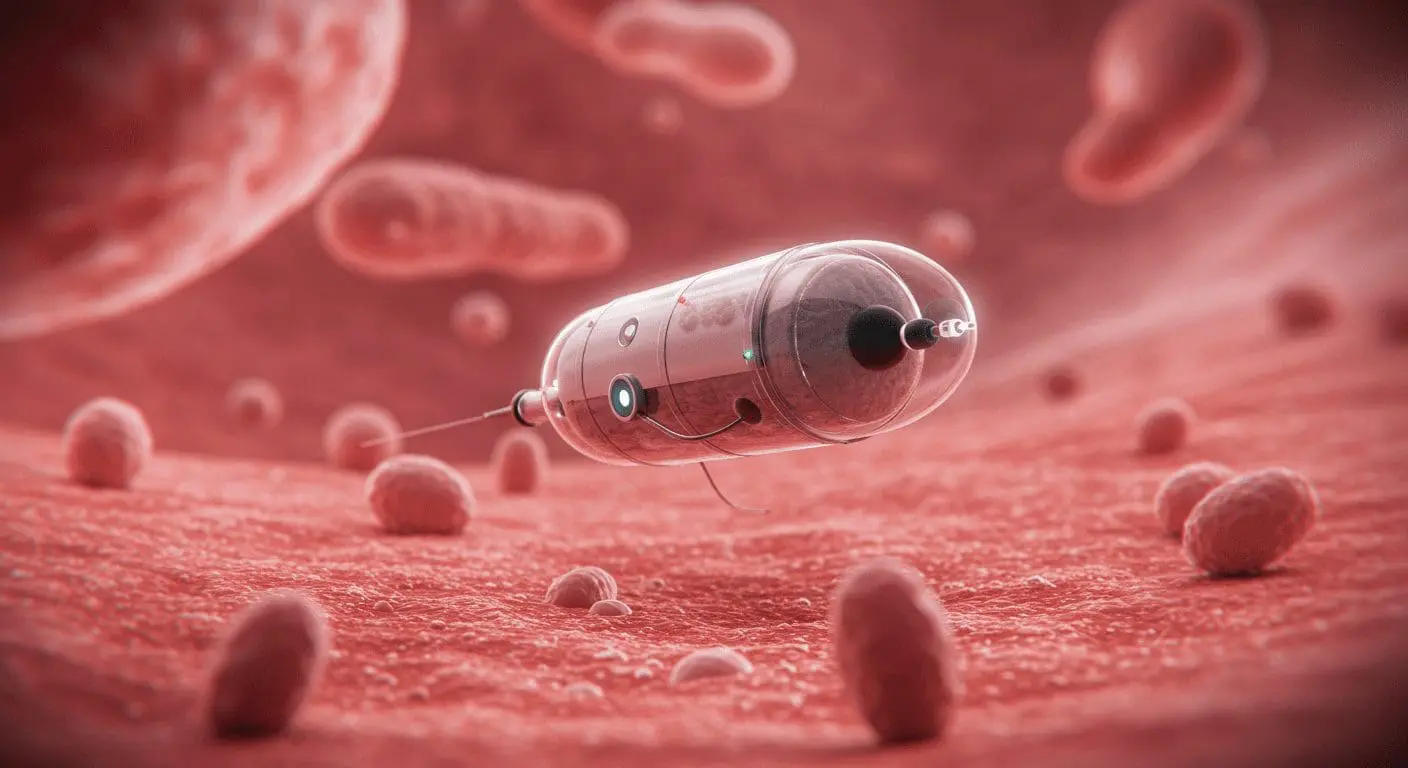
Phoretic Janus particles have shown great promise in targeted drug delivery systems. By functionalizing one surface with a therapeutic agent and the other with a targeting molecule, these particles can navigate through biological fluids to deliver drugs directly to diseased cells. This approach minimizes systemic side effects and enhances treatment efficacy. Researchers are currently exploring various surface chemistries and particle designs to optimize drug loading capacity and delivery precision.
Phoretic Janus particles offer innovative solutions for environmental cleanup, particularly in aquatic ecosystems contaminated by pollutants such as microplastics or oil spills. By engineering one surface to attract and bind specific contaminants while the other surface provides propulsion, these particles can efficiently collect and transport pollutants to designated collection points. This method reduces ecological damage and facilitates easier removal of pollutants from the environment.
Recent advancements in material research have enabled the creation of Phoretic Janus particles with enhanced self-assembly capabilities. These particles can assemble autonomously into complex structures, such as networks or clusters, further expanding their functional applications. For instance, self-assembled networks of Phoretic Janus particles can act as sensors for detecting environmental pollutants or as frameworks for drug delivery systems. This emerging field of research holds great potential for developing advanced materials with multifunctional properties.
Currently, researchers are focusing on optimizing the performance
Currently, researchers are focusing on optimizing the performance of Phoretic Janus particles in various environments. Efforts include improving their stability under different pH levels and temperatures, enhancing their propulsion efficiency, and expanding their range of applications. Future directions may involve integrating artificial intelligence to enable real-time control over particle behavior or exploring biocompatible materials for medical applications. These advancements aim to unlock the full potential of Phoretic Janus particles in addressing global challenges in healthcare, environmental protection, and material science.
External Link: Click Here For More