
Welcome to our look back at some of the most impactful quantum technology stories of 2025. This year marked a period of significant advancement, moving beyond theoretical breakthroughs toward demonstrable progress in building practical quantum systems. From record-breaking qubit fidelity and expanding qubit counts to innovative approaches in error correction and the burgeoning integration of quantum and classical computing, the landscape of quantum technology continued to rapidly evolve.
2025 will be remembered as a pivotal year where the foundational elements of quantum computing began to coalesce, hinting at the transformative potential that lies ahead. These stories represent not just scientific achievements, but concrete steps towards a future where quantum technology reshapes industries and unlocks solutions to previously intractable problems.
1. IonQ’s Pioneering Gate: The 1995 Experiment Shaping Quantum Computing
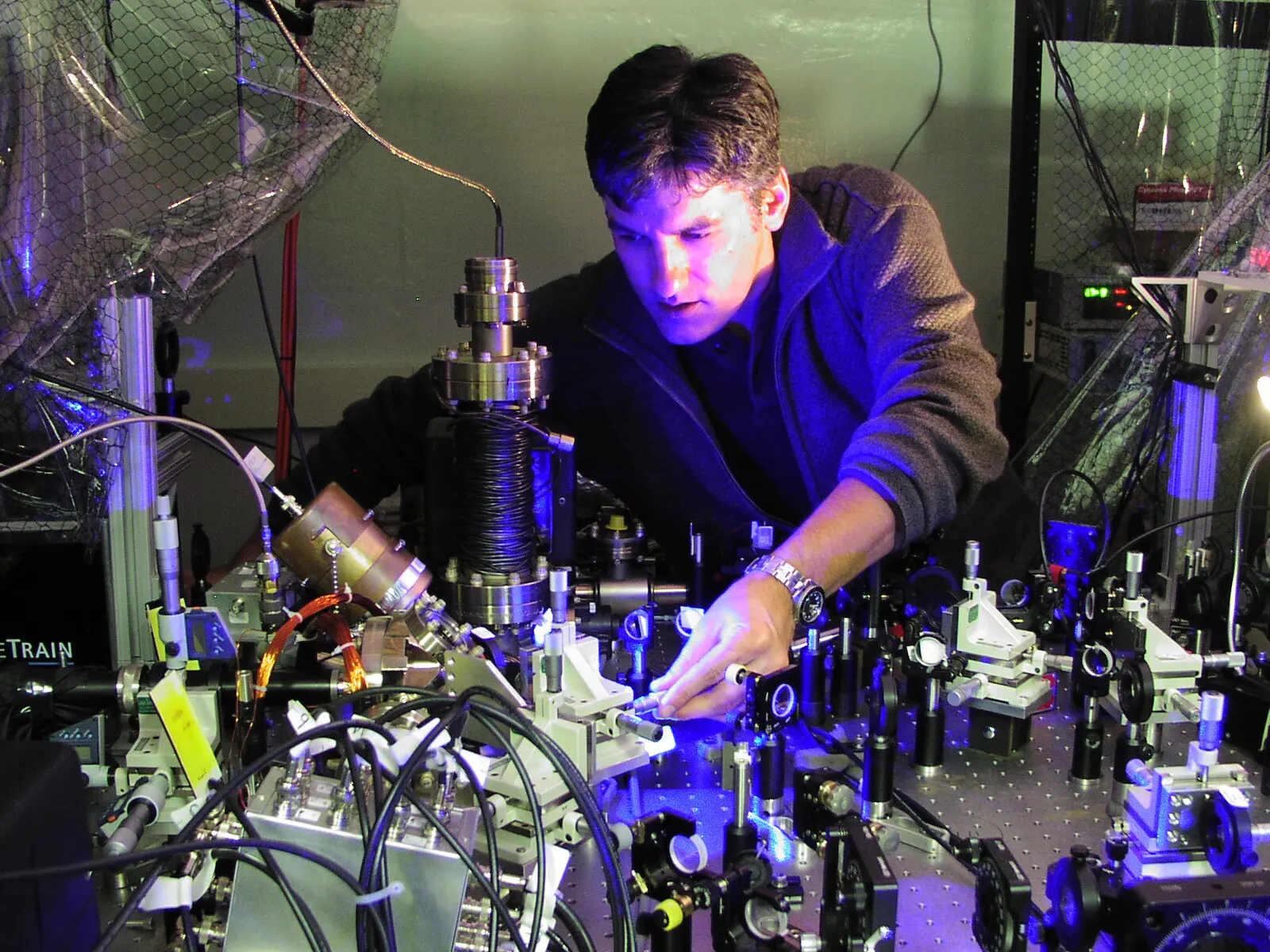
Researchers at IonQ, led by Dr. Chris Monroe and Nobel Laureate Dr. David Wineland, demonstrated the first experimental quantum logic gate using trapped ions in 1995 at NIST, transitioning quantum computing from theory to tangible hardware. This foundational experiment, with the physics still relevant today, enabled IonQ to prioritize engineering, scaling, and ultimately become the first public pure-play quantum computing company.
2. Google & Quantinuum Advance Logical Qubits, Approaching Fault-Tolerant Quantum Computing

In the quest for error correction, entagledfuture.com on conjunction wuth Quantum Zeitgeist have launched a logical qubit tracker. Expect regular updates on the milestones being hit in the quest for fault tolerant quantum computing.
3. IBM Achieves Quantum Error Learning on a 156-Qubit Processor

Researchers at IBM Quantum have demonstrated the first successful learning experiment of a Lindblad model—a crucial step for understanding and mitigating errors—on a 156-qubit superconducting quantum processor. Their new method analyzes time-series data to map errors and enable more accurate control, utilizing a robust curve-fitting procedure and a specialized solver to ensure a physically valid and scalable model.
4. NVQLink: NVIDIA Connects Quantum Processors to Supercomputing Power

NVIDIA has announced its NVQLink interconnect, adopted by over a dozen leading supercomputing centers globally, to seamlessly integrate quantum processors with accelerated computing platforms like GPUs. This technology achieves a 400 Gb/s throughput with sub-4 microsecond latency, demonstrated by Quantinuum’s Helios processor exceeding quantum error correction performance requirements by 32x and paving the way for scalable hybrid quantum-classical workflows.
5. IBM Advances Quantum Error Correction Characterization at Ultra-Low Failure Rates
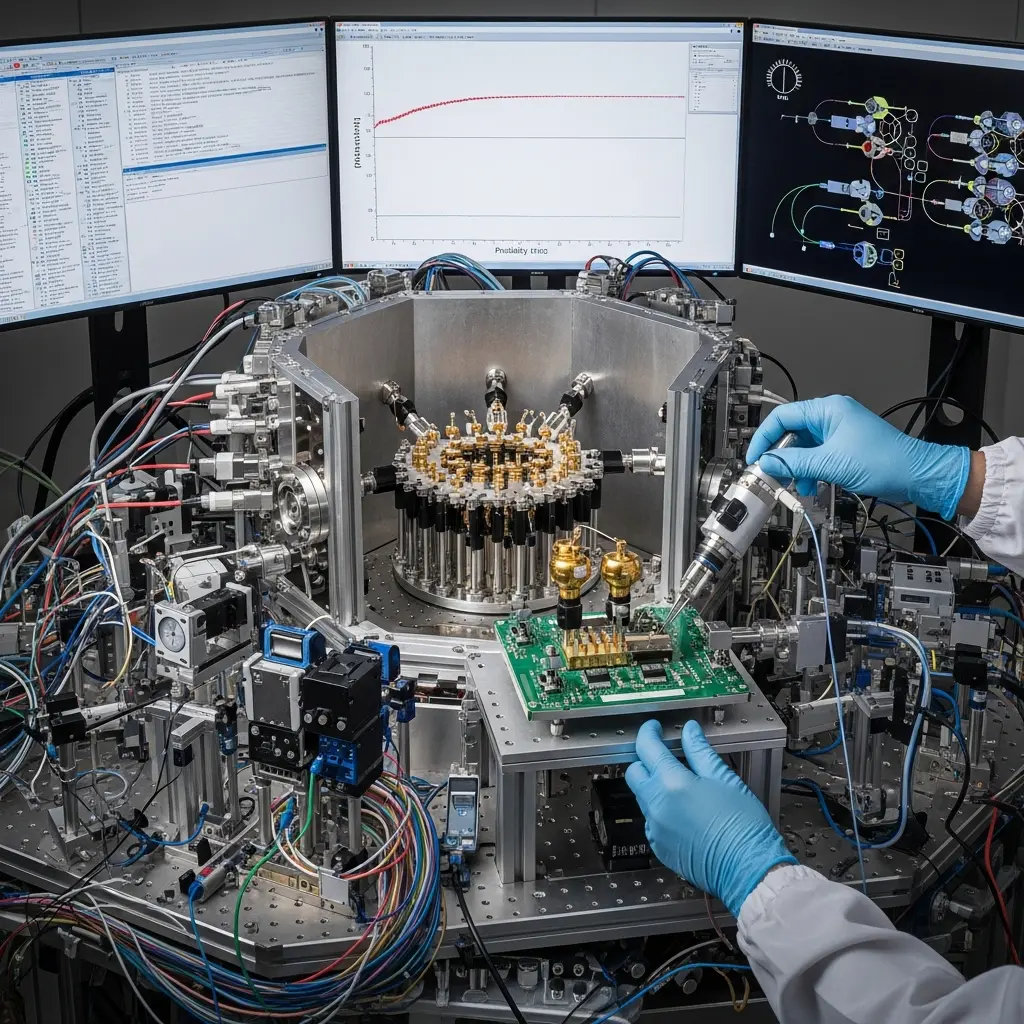
Researchers at IBM Quantum have developed three novel techniques to accurately characterize quantum error correction systems, even when logical failure rates are exceptionally low – below 10⁻¹², a regime inaccessible to standard methods. Their work introduces a new approach to modelling the failure spectrum and precisely calculates failing configurations, demonstrating strong performance with existing decoders and identifying pathways for further improvements towards building reliable, scalable quantum computers.
6. IBM & Cisco Plan Networked Quantum Future: A Leap Towards Quantum Internet
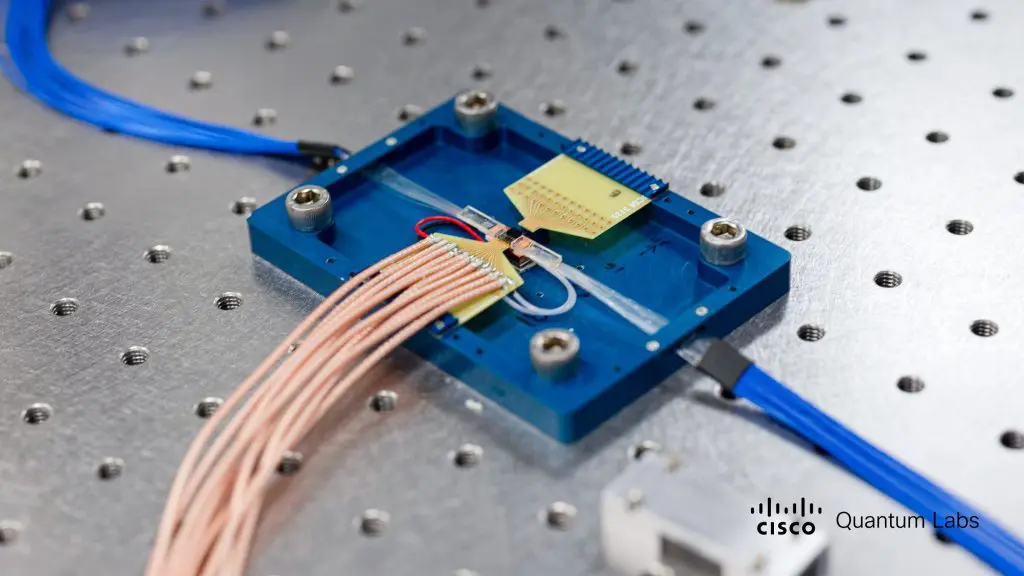
IBM and Cisco have announced a collaboration to build a network of large-scale, fault-tolerant quantum computers, aiming for a proof-of-concept within five years and full realization by the early 2030s. This ambitious project will combine IBM’s quantum computing hardware with Cisco’s quantum networking innovations to link multiple QPUs, potentially enabling computations with trillions of quantum gates and paving the way for a future quantum computing internet.
7. Helios: Quantinuum’s 98-Qubit Leap Towards Scalable Quantum Computing
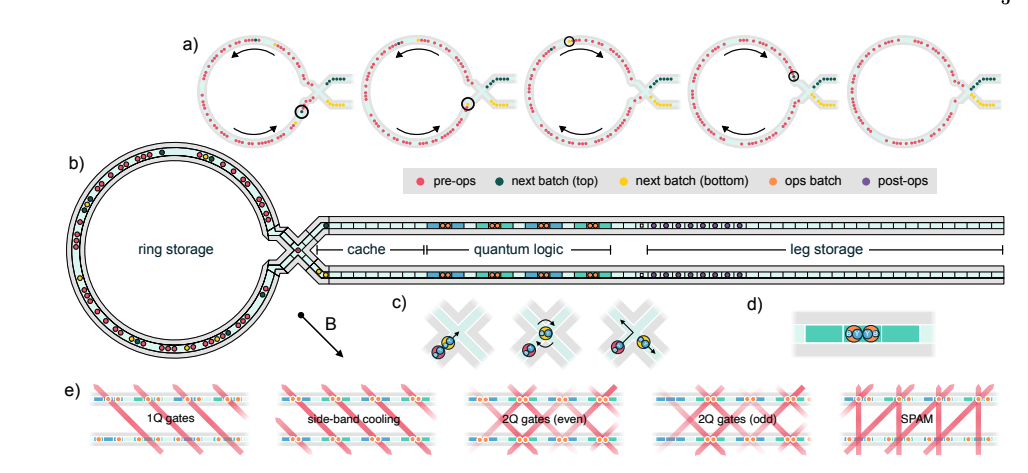
Quantinuum has demonstrated Helios, a 98-qubit trapped-ion quantum computer utilizing a novel architecture with all-to-all qubit connectivity and impressive fidelity metrics. This system’s mobile qubit approach and innovative “X” junction design are key to scaling quantum computation and represent a significant advancement beyond the capabilities of classical simulation.
8. IBM & AMD Advance Quantum Error Correction on Standard Chips

IBM has demonstrated a key quantum error correction algorithm functioning on commercially available AMD chips, marking a significant step towards building practical and scalable quantum computers. This achievement, exceeding performance expectations and completed a year ahead of schedule, accelerates IBM’s plan for the 2029 Starling quantum computer and lowers the barrier to entry for quantum computing research and development.
9. Google’s Quantum Echoes Algorithm Achieves 13,000x Speedup Over Supercomputers
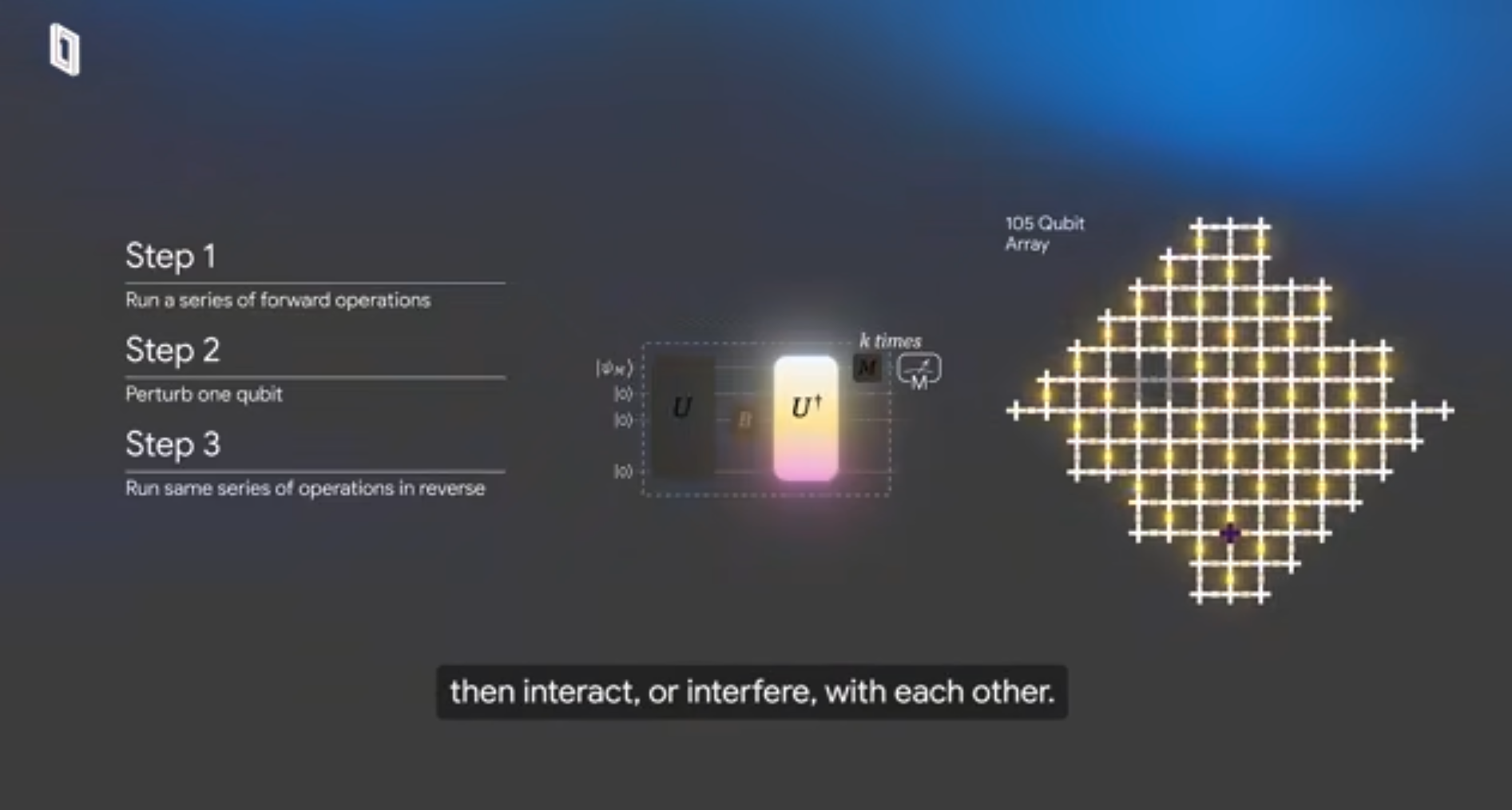
Google Quantum AI has demonstrated verifiable quantum advantage with its Quantum Echoes algorithm, achieving a 13,000-times speedup compared to the best classical algorithms running on a leading supercomputer. This breakthrough, powered by the Willow quantum chip and its improved error suppression, opens doors for unprecedented precision in areas like molecular structure computation and promises advancements in materials science and drug discovery.
10. Nobel Prize Recognizes Quantum Circuit Breakthrough Enabling Modern Quantum Tech

Researchers John Clarke, Michel Devoret, and John Martinis were awarded the 2025 Nobel Prize in Physics for demonstrating quantum tunneling and energy quantization in macroscopic superconducting circuits—specifically, using Josephson junctions. Their 1984-85 experiments proved that quantum phenomena aren’t limited to the atomic scale and laid the groundwork for today’s superconducting qubits and advancements in quantum computing, sensing, and cryptography.
11. Google Achieves High-Fidelity Magic States with Cultivation Technique

Researchers at Google Quantum AI have demonstrated a breakthrough in quantum computing, achieving 99.99% fidelity in cultivating magic states on a superconducting processor—a 40-fold improvement over previous methods. This cultivation technique offers a promising, lower-overhead alternative to traditional, resource-intensive distillation protocols, paving the way for more efficient and scalable fault-tolerant quantum computation, and demonstrating comparable fidelity to trapped ion approaches with faster speeds.
12. Google Demonstrates Quantum Advantage via Contextuality in Bounded-Resource Tasks
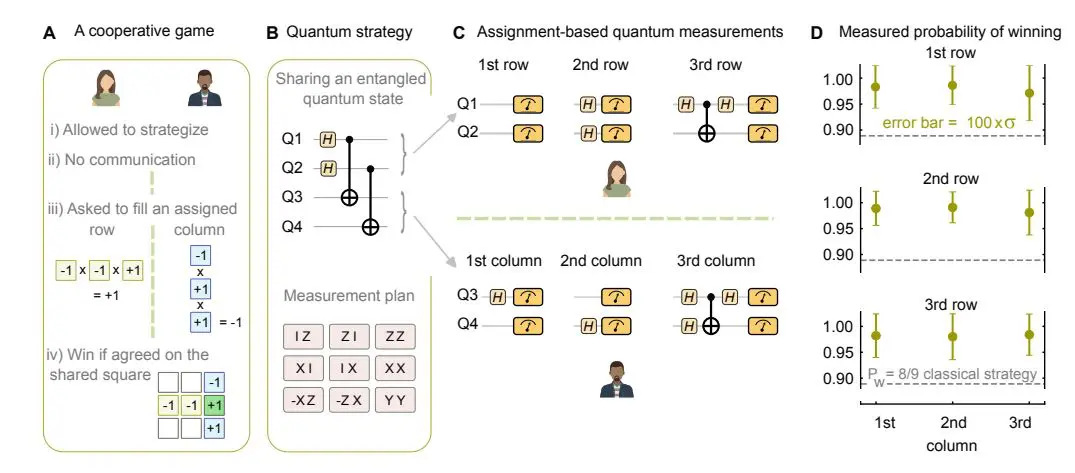
Researchers at Google Quantum AI have demonstrated a clear quantum advantage by leveraging quantum contextuality in several complex games—including the magic square game and a hidden linear function problem—consistently exceeding classical success rates. This work introduces new, practical benchmarking methods focused on resource measurement and error mitigation, paving the way for assessing near-term quantum processor performance and identifying limitations around 35 qubits where classical algorithms may eventually outperform current quantum implementations.
13. Quantum Simulation Breakthrough: <1% Error with Compressed Time Evolution
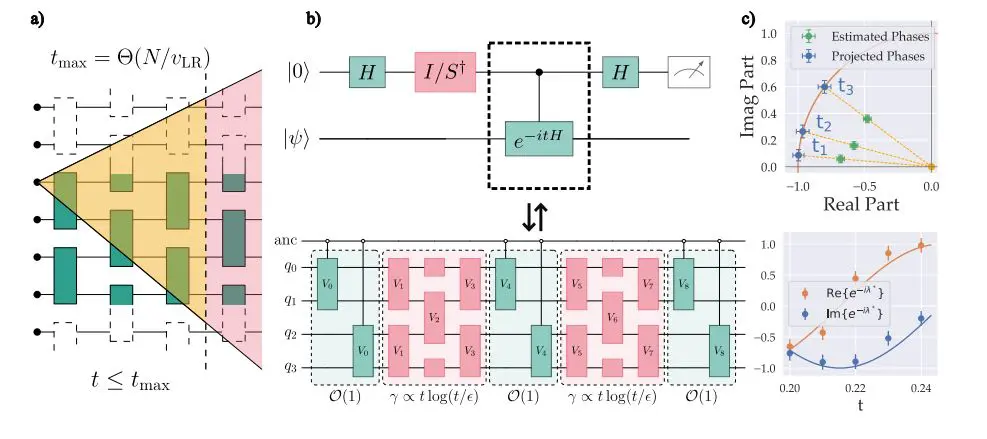
Researchers at ETH Zurich and Quantinuum have demonstrated a new quantum compression technique achieving ground state energy errors below 1% in frustrated spin systems, significantly reducing the control overhead needed for accurate quantum simulation. This advancement, validated on Quantinuum’s H2 trapped ion device, leverages optimized gate reuse and a compressed controlled time evolution operator to minimize circuit depth and enhance scalability for near-term quantum computers.
14. IBM & Cisco Forge Ahead on Quantum Computing Internet Development
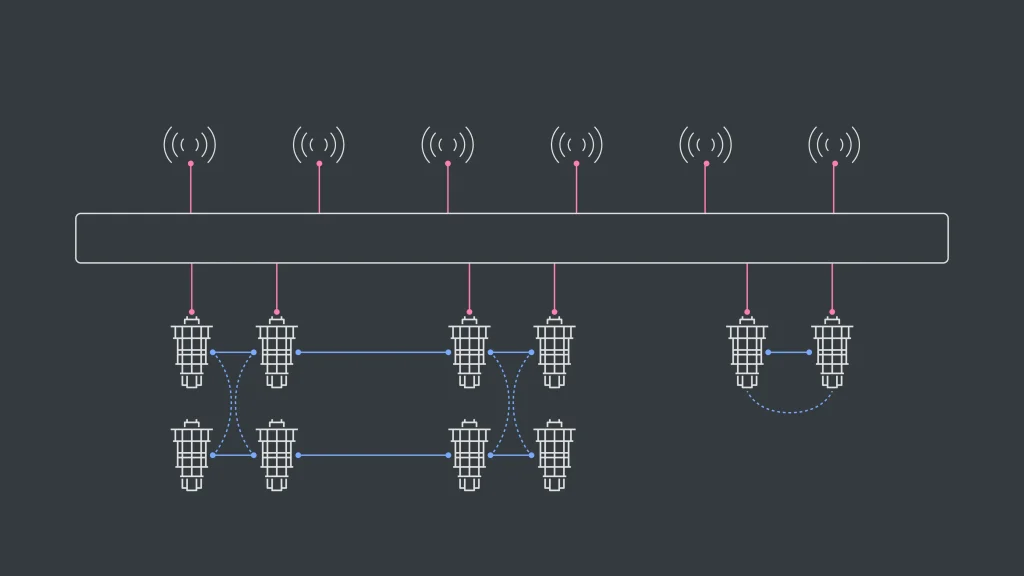
IBM, led by Jerry Chow, is collaborating with Cisco and NQISR centers to move beyond its 2033 qubit goals and build a networked quantum computing infrastructure. This initiative focuses on developing quantum networking units (QNUs) to connect quantum processors—starting with cryogenic entanglement within five years—with the long-term vision of realizing a full-scale quantum computing internet.
15. Google AI Outlines Five Stages to Real-World Quantum Applications

Researchers at Google Quantum AI have detailed a five-stage framework to accelerate the development of practical quantum computing, moving beyond theoretical speedups to focus on demonstrable quantum advantage with verifiable results. This framework emphasizes identifying “shovel-ready” problems with hard instances and outputs resistant to classical mimicry, aligning algorithmic progress with anticipated hardware scaling to hundreds of logical qubits.
16. Microsoft Invests $140M in Danish Quantum Hub for Scalable Qubits

Microsoft has inaugurated an expanded $140 million quantum computing facility in Lyngby, Denmark, focused on the fabrication of topological qubits and advancing their “Majorana 1” chip. This new lab, now Microsoft’s largest quantum site globally, aims to translate foundational physics into manufacturable, error-resilient quantum systems and solidify Denmark’s role as a leading European quantum hub.
17. IBM Forecasts Five Years of Quantum Computing’s Practical Advancement
IBM Chairman and CEO Arvind Krishna forecasts substantial progress in quantum computing over the next five years, building on demonstrated applications with partners like Moderna, RIKEN, and Cleveland Clinic—showing the technology’s ability to accelerate processes in areas like vaccine development and materials science. The company is prioritizing practical implementation and a shift towards “Time to Solution” as a key metric, moving beyond just raw speed to unlock economic value in R&D and logistics.
18. IonQ Surges: Record Accuracy & 222% Revenue Growth Signal Quantum Leap

IonQ announced a staggering 222% year-over-year revenue increase in Q3 2025, reaching $39.9 million, alongside a world-record 99.99% two-qubit gate accuracy. These advancements, coupled with strategic acquisitions and a new contract with Oak Ridge National Laboratory, solidify IonQ’s position as a leading force in the rapidly advancing quantum computing industry.
19. IBM Advances Quantum Supercomputing & Future Quantum Internet Development
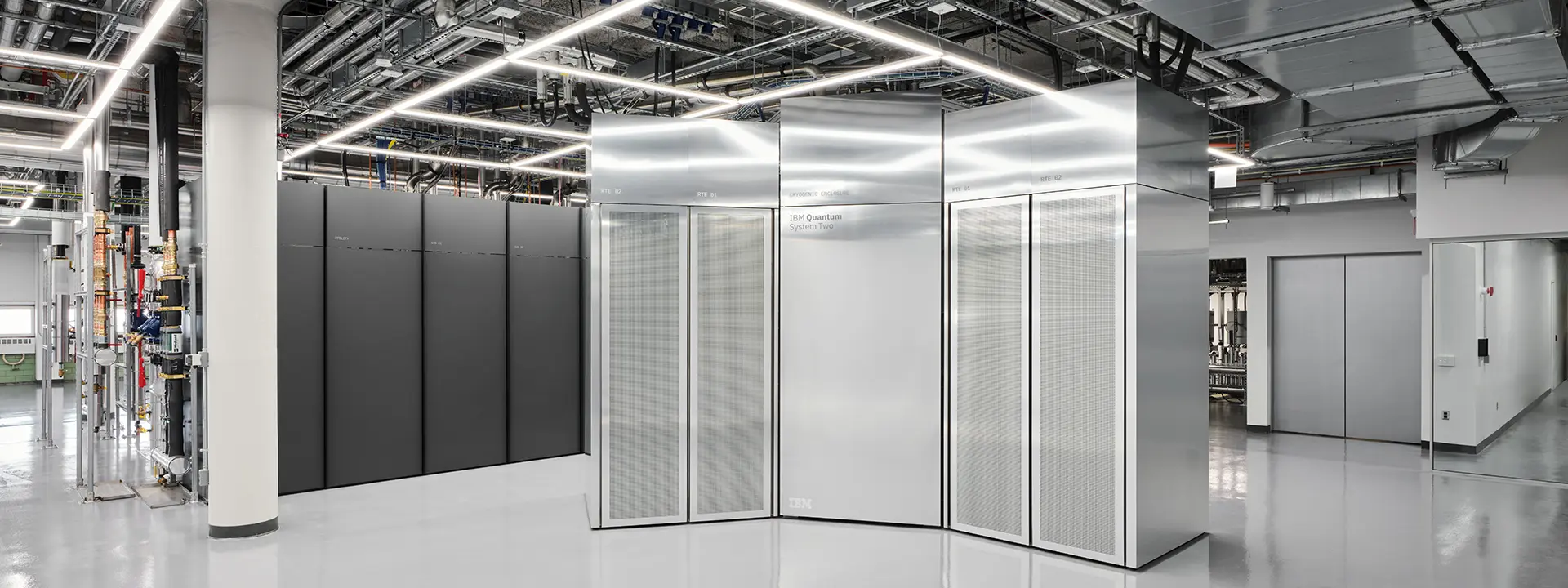
IBM is expanding its commitment to quantum research by collaborating with four centers funded under the 2018 National Quantum Initiative Act to pioneer “quantum-centric supercomputing.” This effort focuses on tightly integrating traditional and quantum processors, alongside quantum sensing and communication technologies, with a five-year goal to entangle two IBM quantum computers via a microwave-based quantum network and ultimately build a future quantum internet.
20. NVIDIA’s NVQLink: Bridging Quantum and Classical Computing Power

NVIDIA has announced NVQLink, an open architecture designed to tightly couple GPU computing with quantum processors, paving the way for accelerated quantum supercomputers and addressing critical qubit error management. Developed with guidance from U.S. national laboratories, NVQLink aims to create a coherent system uniting quantum and classical resources, with the U.S. Department of Energy emphasizing its importance for maintaining American leadership in high-performance computing.
21. IonQ Achieves Record 99.99% Qubit Gate Fidelity with Novel Control Tech

IonQ has announced a new world record of 99.99% two-qubit gate fidelity, a critical metric for quantum computer accuracy, achieved through its innovative Electronic Qubit Control (EQC) technology. This breakthrough, utilizing precision electronics instead of lasers, significantly reduces the need for error correction and positions IonQ to scale towards millions of qubits by 2030, paving the way for more complex and practical quantum algorithms.
22. Google Quantum AI Acquires Atlantic Quantum to Boost Scalability

Google Quantum AI has acquired MIT-founded Atlantic Quantum, a startup specializing in tightly integrated superconducting qubit hardware, to accelerate the development of scalable quantum computers. This acquisition brings a modular chip architecture—fusing qubits and control electronics—into Google’s fold, addressing key challenges in qubit connectivity, error reduction, and the path towards fault-tolerant, large-scale quantum computing.
23. IBM’s Starling: Path to Error-Corrected Quantum Computing by 2028

IBM has revealed plans to build Starling, a modular, error-corrected quantum computer anticipated to be accessible via the cloud by 2029, housed in a new data center in Poughkeepsie, New York. This ambitious project focuses on transitioning from theoretical quantum error correction to practical engineering implementation, aiming to overcome the challenges of qubit stability and scalability while competing with other industry leaders like Google and Amazon.
24. Google: 1 Million Qubits Could Break RSA-2048 Within a Week
Google Quantum AI’s Craig Gidney has demonstrated a significant reduction in the estimated qubit count needed to break RSA-2048 encryption, lowering the requirement from 20 million to 1 million qubits through advancements in error correction and optimization techniques. This analysis suggests vulnerable systems should be deprecated after 2030, accelerating the timeline for adopting post-quantum cryptographic solutions and highlighting the urgency of transitioning to quantum-resistant algorithms.
25. IBM Commits $150 Billion to US Quantum & Tech Leadership
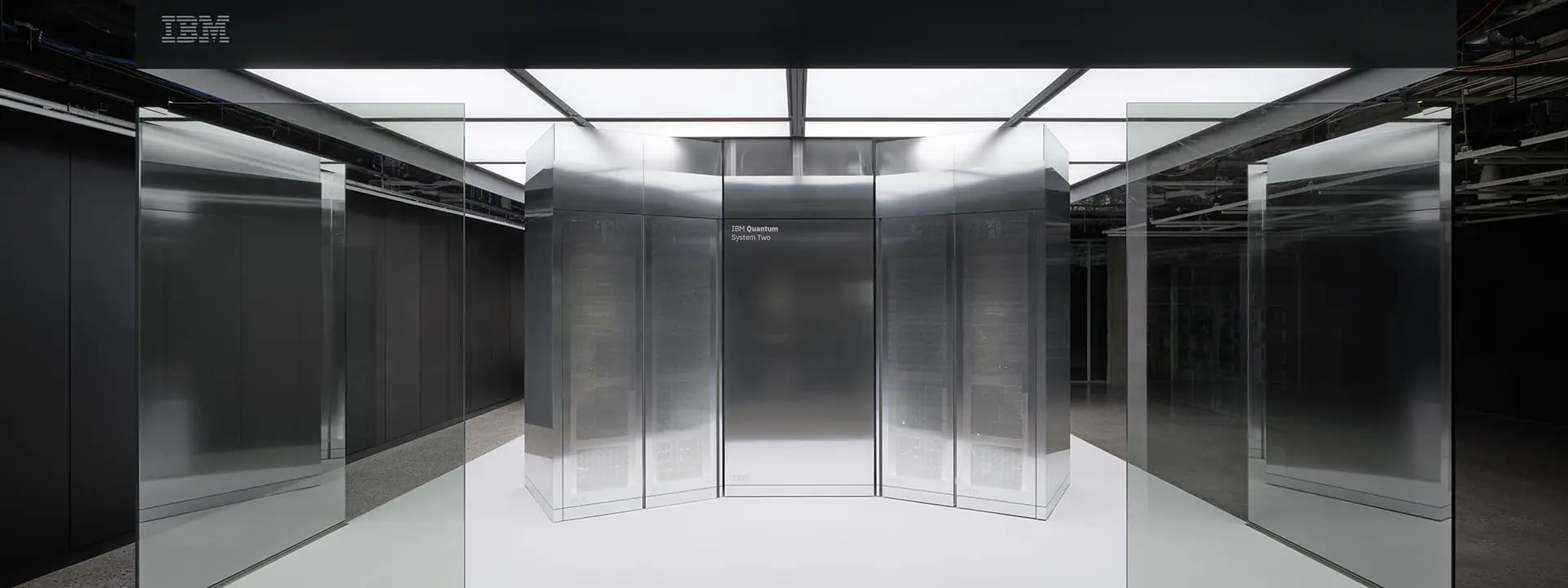
IBM has announced a $150 billion investment over five years in the U.S., with over $30 billion earmarked for research and development in both quantum computing and mainframe manufacturing. This significant commitment aims to bolster American innovation, maintain IBM’s technological leadership, and provide access to its growing quantum capabilities—currently serving over 600,000 users—through its Quantum Network.