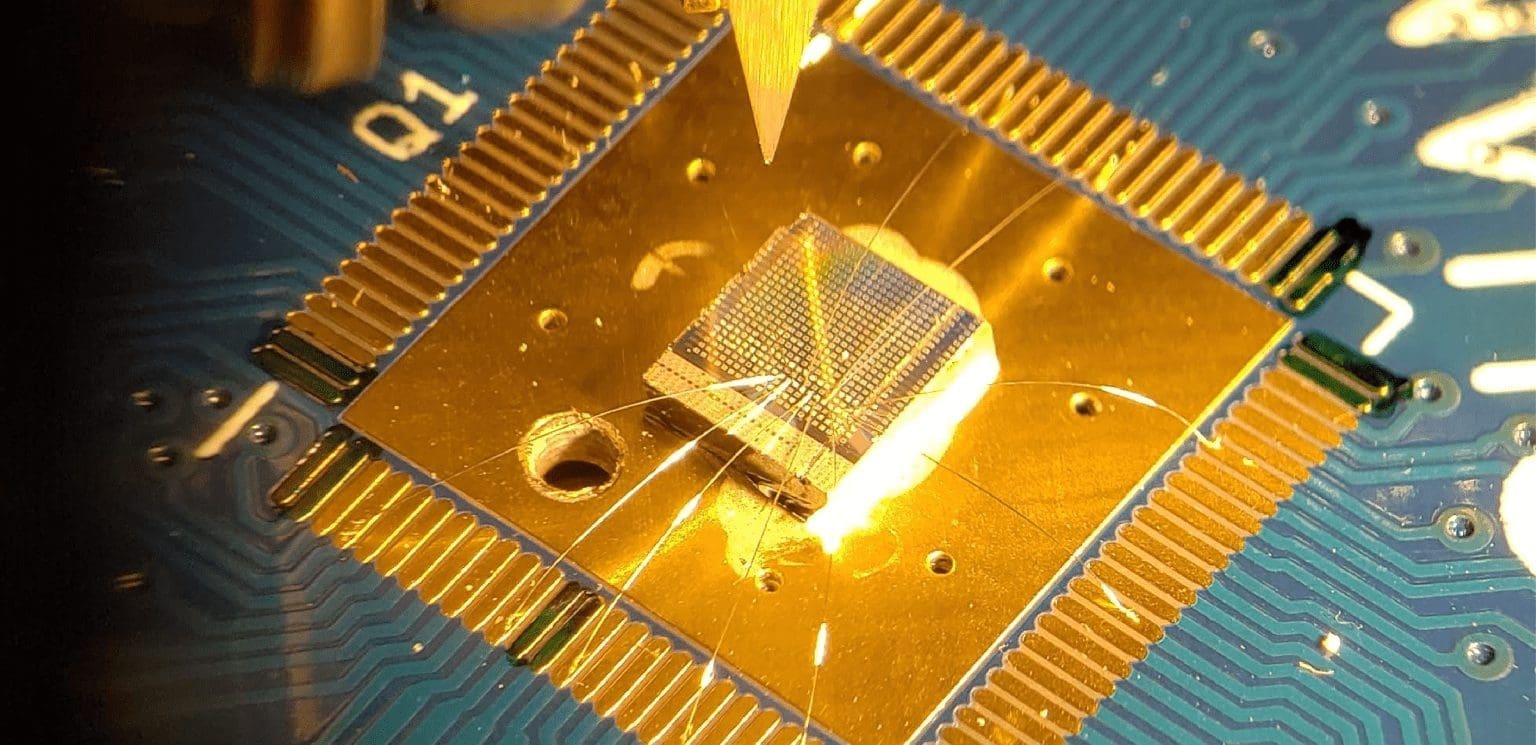
UK-based Quantum Motion, founded by Professors John Morton and Simon Benjamin, has been chosen by the National Quantum Computing Centre (NQCC) to build a quantum processor test bed. The prototype will use the same silicon platform familiar in consumer electronics, marking the first quantum computing test bed based on conventional silicon manufacturing processes. The project aims to demonstrate the feasibility of a quantum computer using established semiconductor fabrication techniques. Quantum Motion CEO James Palles-Dimmock emphasized the company’s focus on delivering a scalable, integrated quantum architecture. The test bed will help researchers understand how quantum algorithms perform on real quantum hardware.
Quantum Motion to Develop Silicon Quantum Computing Prototype for NQCC
Quantum Motion, a quantum computing firm based in the UK, has been chosen by the National Quantum Computing Centre (NQCC) to construct a quantum processor test bed for its Oxfordshire site. The prototype system will utilize the same silicon MOS platform that is widely used in the consumer electronics industry. This project is part of NQCC’s broader vision to leverage quantum computing to address complex societal challenges.
The NQCC is bringing together various quantum computing approaches under one roof to facilitate access for academics, researchers, and public sector communities. This will be the first quantum computing test bed at the NQCC that employs conventional silicon manufacturing processes. The aim is to demonstrate the feasibility of a quantum computer that capitalizes on the practicality and scalability of established semiconductor fabrication techniques, thereby hastening the transition from prototype systems to commercialization.
Quantum Motion’s Strategy and Expertise
Quantum Motion’s strategy extends beyond merely delivering qubits. The company is focused on delivering a scalable, integrated quantum architecture capable of building systems of sizes that yield tangible value. This includes developing elements necessary to operate a quantum computer, such as leading-edge cryo-electronics and automated control, along with a prototype quantum processor manufactured using a standard CMOS process.
To develop scalable quantum computers, Quantum Motion has honed its expertise in four critical areas: high-density silicon qubits, quantum processor architectures, cryo-electronics, and machine learning control. The company’s developments, such as integrated circuits capable of generating and processing signals at deep cryogenic temperatures, underscore its advantage in the field.
NQCC’s Role in Accelerating Quantum Computing Development
The NQCC aims to expedite the development of the UK’s quantum computing capabilities and infrastructure. The center recognizes the need for quantum developers to have access to the hardware to engineer scalable solutions for a full-stack quantum computer. Once built, these system-level prototypes will assist the NQCC and its collaborators in understanding the unique characteristics of different hardware approaches, establishing appropriate metrics for each qubit architecture, and exploring the types of applications that benefit most from each technological approach.
The Potential of Quantum Computing Test Beds
The NQCC testbeds, such as the one being developed by Quantum Motion, will enable researchers to understand how quantum algorithms perform on real quantum hardware. They will help explore the functionality and feasibility of different approaches to building quantum processors and ultimately aim to establish the most promising routes toward the first commercially available quantum computers able to run practical applications.
About Quantum Motion
Quantum Motion is working on a groundbreaking technology platform: a scalable array of qubits based on the prevalent silicon technology used to manufacture chips in smartphones and computers. The company is developing fault-tolerant quantum computing architectures compatible with CMOS processes. These fault-tolerant quantum processors will support the most powerful quantum algorithms, targeting solutions to currently intractable problems in fields as diverse as chemistry, materials science, medicine, and artificial intelligence. The company employs 50 specialists in quantum theory, engineering, and software.