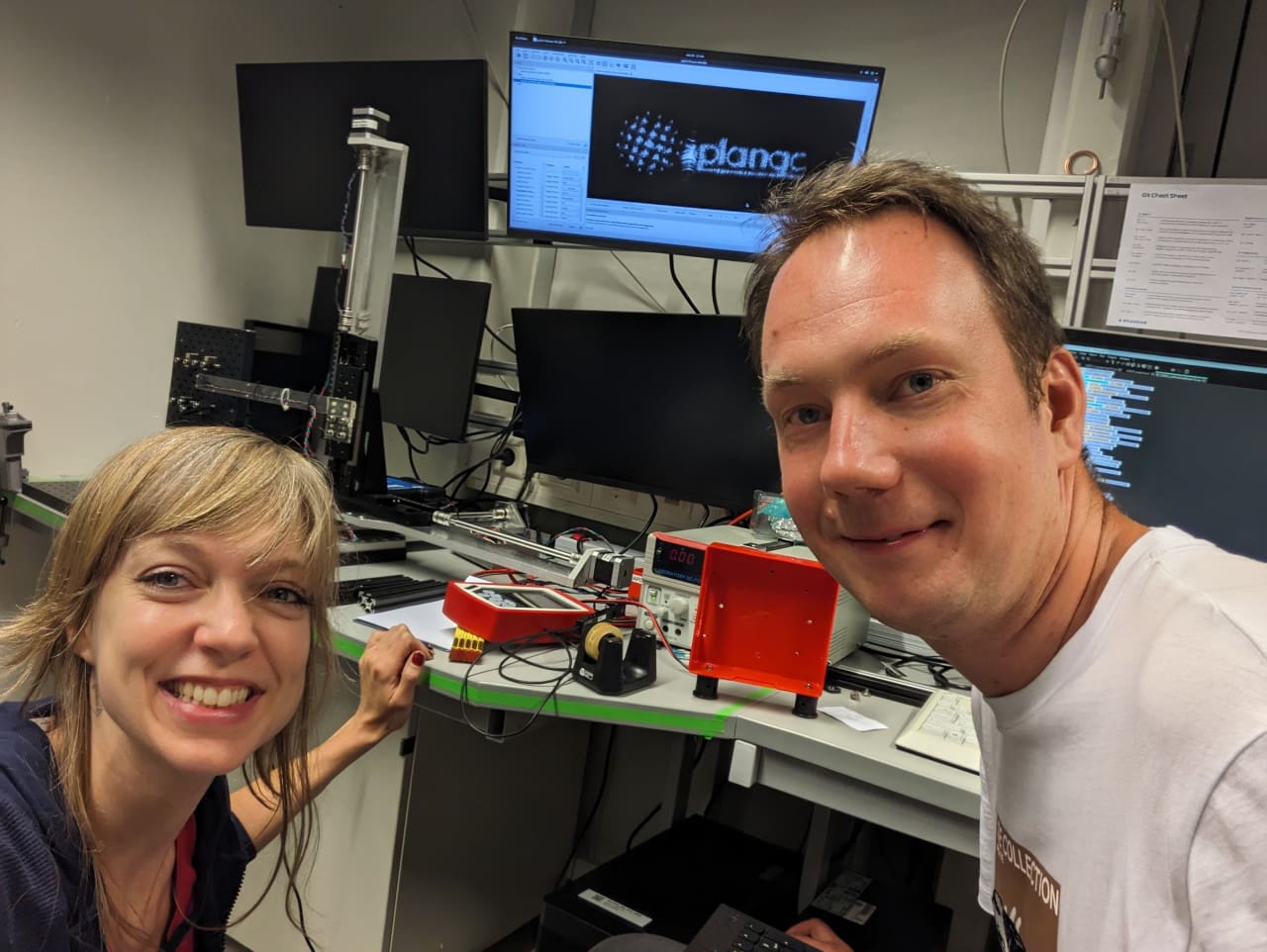
planqc is spotlighting the contributions of women in quantum computing with the launch of its “Women in Quantum” series, beginning with Quantum Hardware Engineer Isabella Fritsche. A key figure in the DiNAQC project based in Ulm, Fritsche joined planqc after being captivated by the company’s founding vision. Having earned her PhD in physics from the University of Innsbruck, she now balances her role as a product owner with parental leave. “Physics is about questioning the seemingly known, never taking anything for granted and always staying curious,” Fritsche explains, reflecting on the inspiration behind her scientific journey – a pursuit that began with a gift from a friend and a book about Albert Einstein. This series aims to increase female visibility within the field, addressing a critical lack of role models.
Isabella Fritsche’s Physics Background & Early Career Path
A formative encounter with Einstein’s work propelled Isabella Fritsche toward a career steeped in physics, ultimately leading her to a pivotal role in the burgeoning field of quantum computing. Initially intending to study mathematics, a gift from a friend – a book detailing the life and theories of Albert Einstein – sparked a fundamental shift in her academic focus. She pursued physics at the University of Innsbruck, culminating in a PhD focused on strongly-interacting many-body systems utilizing lithium and potassium. Fritsche’s trajectory wasn’t without its early challenges.
At age fifteen, a negative experience within a male-dominated electrical engineering school led her to pursue an apprenticeship as an electrician, where she encountered further instances of gender-based discrimination. She notes that she only recognized the impact of this experience in retrospect, but it ultimately fueled her commitment to fostering a more inclusive environment. During her postgraduate work, she observed recurring patterns of bias, prompting her to co-found a group dedicated to addressing these issues and increasing female representation through extracurricular lectures.
In 2021, a conversation with Alex and Lukas R. about the founding of planqc solidified her desire to contribute to the company’s ambitious hardware development goals. “I knew that I want to be a part of this project,” she states, highlighting the compelling vision that drew her to planqc.
DiNAQC Project Leadership & Strontium Quantum Computer Delivery
The race to build practical quantum computers is intensifying, with multiple platforms vying for dominance. While superconducting qubits currently garner much attention, trapped-ion approaches – specifically utilizing strontium – are gaining momentum. planqc, a German quantum computing company, is actively pursuing this path with the DiNAQC project, aiming to deliver a functional strontium-based quantum computer within 3.5 years to the German Aerospace Center (DLR). Isabella Fritsche, Quantum Hardware Engineer at planqc, previously led the project, overseeing a complex undertaking that demands meticulous coordination across multiple departments.
Fritsche’s role extended beyond technical leadership, encompassing task planning aligned with pre-defined milestones, team assembly, and crucial communication with the DLR regarding progress and requirements. The project’s success hinges on a holistic approach, recognizing that quantum computer development isn’t solely a physics problem. As Fritsche succinctly puts it, “No people – no QC (HR). No money – no QC (Finance). No infrastructure – no QC (Ops).” This underscores the necessity of robust support from human resources, finance, operations, and other vital functions. Currently on parental leave, Fritsche previously managed the alignment of lasers, a critical component of the strontium-based system.
The DiNAQC project isn’t simply about hardware construction; it’s about establishing a complete quality control system, requiring the integration of “all departments” within planqc. Fritsche emphasizes the importance of a collaborative environment where ideas are valued, stating, “I enjoy that ideas and inventions are heard by our bosses.” This commitment to internal innovation, coupled with team-building initiatives, fosters a culture conducive to tackling the immense challenges inherent in quantum computer development. Ultimately, Fritsche’s vision is clear: “If you love something, do it.”
Why do you think diversity of roles – from research to administration, business development, HR, and beyond – is important in quantum technology?
Isabella Fritsche, Quantum Hardware Engineer
No people – no QC (HR). No money – no QC (Finance). No infrastructure – no QC (Ops). No calculations – no QC (theory). No IT infrastructure – no QC (IT). No organization – no QC (admin). No company – no QC (Bosses). No development – no future QC (b.dev.). And last but not least: no hardware engineers – no quantum computer.
Experiences with Gender Discrimination in STEM Fields
Visiting a male-dominated electrical engineering school, Fritsche witnessed a teacher publicly reprimanding male students for being outperformed by a female peer, stating how “embarrassing it is to be worse than a girl.” This incident, she explains, significantly impacted her grades and ultimately led her to abandon her studies there, only recognizing the depth of the discrimination in retrospect. During her physics studies and PhD, she encountered dismissive comments such as “give me this circuit plan, I’ll fix it for you honey,” and even inappropriate remarks about her appearance, including a colleague suggesting she was fainting due to dieting.
Recognizing this wasn’t an isolated issue, Fritsche joined a group of female physicists to discuss these challenges and advocate for future generations, identifying a “lack of female role models” as a common thread. They actively worked to increase female visibility through extracurricular lectures. Fritsche emphasizes the importance of a diverse team, succinctly stating, “No people – no QC,” highlighting that every role, from HR to hardware engineering, is critical to building quantum computers.
Essential Roles Beyond Hardware for Quantum Computer Development
The relentless pursuit of quantum computing often focuses on the intricacies of qubits and superconducting circuits, but realizing a functional quantum computer demands far more than just advanced hardware. planqc recognizes this, emphasizing the critical, often unseen, roles that underpin the entire development process – roles extending well beyond the laboratory bench. A fully realized quantum computer is a complex ecosystem, reliant on a diverse range of expertise.
According to planqc, the absence of personnel in key areas immediately halts progress: “No people – no QC,” “No money – no QC,” and “No infrastructure – no QC.” This highlights the fundamental need for robust human resources, financial backing, and operational support alongside theoretical and IT infrastructure. Effective administration and strong business development are equally vital, ensuring projects stay on track and receive continued investment. Even the hardware itself requires a coordinated effort, with quality control demanding collaboration across all departments within the company.
Her previous role involved meticulous task planning, team coordination, and communication with DLR, alongside hands-on lab work aligning lasers. This demonstrates that successful quantum computer development isn’t solely about building the machine, but about orchestrating a complex interplay of skills and resources.