The race to unlock the full potential of quantum computing just received a significant boost, with Oak Ridge National Laboratory’s Quantum Science Center securing a renewed $125 million investment through 2030. This funding will fuel a collaborative effort between national labs, universities, and industry to integrate the groundbreaking power of quantum computers with existing high-performance computing infrastructure. The initiative isn’t just about faster processing; it aims to forge a new scientific ecosystem, positioning the United States as a global leader in the rapidly evolving fields of quantum and high-performance computing and paving the way for breakthroughs in materials science, drug discovery, and beyond.
$125M Renewal Funds Quantum Science Center
The Department of Energy has reaffirmed its commitment to quantum computing innovation with a $125 million renewal for the Quantum Science Center (QSC) through 2030. Led by Oak Ridge National Laboratory, the QSC will focus on building a robust scientific ecosystem for fault-tolerant, quantum-accelerated high-performance computing (QHPC). This five-year funding initiative, beginning with $25 million in Year 1, aims to amplify the impact of quantum computers by integrating them with the nation’s most powerful exascale high-performance computing systems.
Research will be structured around five coordinated thrusts, encompassing the development of an open QHPC software system, novel quantum algorithms tailored for hybrid architectures, and the co-design of these integrated systems. A key focus will be on establishing the interfaces and methods needed to drive new research in hybrid algorithms and applications. Furthermore, the QSC will create an experimental database for validating these advancements against real-world materials, solidifying its commitment to practical application. According to QSC Director Travis Humble, the center is addressing the significant scientific challenge of realizing quantum computation as a paradigm that surpasses the capabilities of current HPC systems. This collaborative effort, bringing together national labs, universities, and industry partners, seeks to ensure American leadership in the rapidly evolving fields of quantum and high-performance computing.
Focus: Integrated Quantum-HPC Systems Development
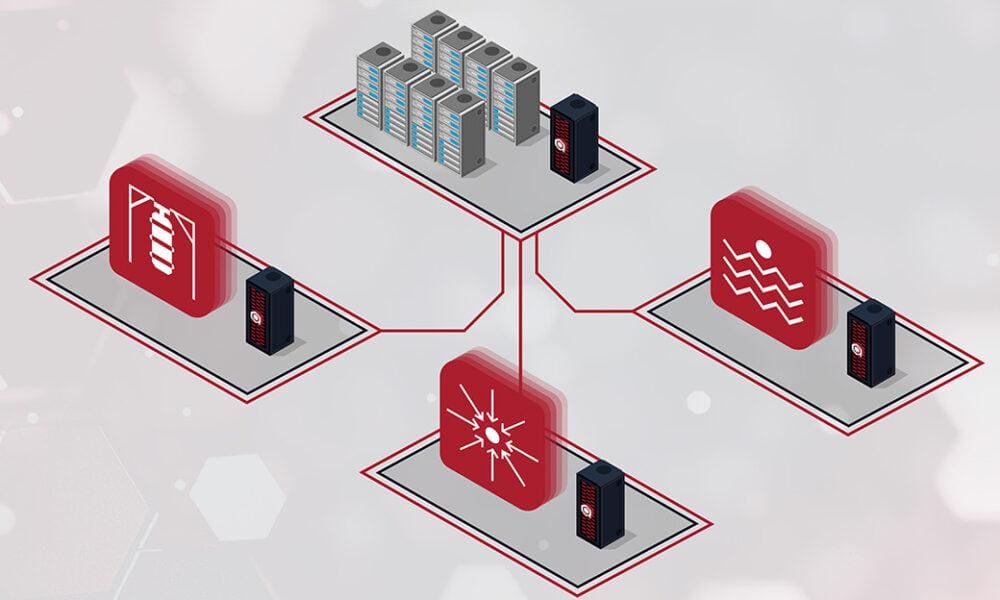
The Department of Energy has reaffirmed its commitment to advancing quantum computing by renewing funding for the Quantum Science Center (QSC) at Oak Ridge National Laboratory through 2030, totaling $125 million over five years. This sustained investment signifies a strategic push towards integrated quantum-HPC systems development, aiming to bridge the gap between the potential of quantum computation and the established power of high-performance computing. Rather than viewing these technologies as separate entities, the QSC will focus on convergence, developing hybrid computing architectures that seamlessly integrate quantum computers – utilizing technologies like transmons, neutral atoms, and trapped ions – with the nation’s leading exascale HPC systems.
This isn’t simply about connecting the two; the QSC will prioritize co-design, establishing the necessary interfaces and methodologies to drive innovation in hybrid algorithms, applications, and software tailored to the unique requirements of this integrated hardware. Research will center around five coordinated thrusts, including an open QHPC software system and the development of fault-tolerant quantum algorithms. Ultimately, the QSC seeks to move beyond the limitations of current HPC capabilities, tackling complex scientific challenges through a collaborative effort involving national labs, universities, and industry partners – ensuring the United States maintains its leadership in this rapidly evolving field. A key component will be an experimental database to validate these advancements against real-world materials, solidifying the practical applications of QHPC.
Research Thrusts & Future Applications
The renewed $125 million investment in the Quantum Science Center (QSC) signals a focused five-year push toward fault-tolerant, quantum-accelerated high-performance computing (QHPC), aiming to fundamentally advance scientific discovery. Spearheaded by Oak Ridge National Laboratory, the QSC will concentrate its efforts across five coordinated research thrusts, fostering collaboration between national labs, universities, and industry partners. This isn’t simply about building quantum computers; it’s about integrating them with existing leadership-class exascale HPC systems, a crucial step toward realizing practical quantum advantage.
Research will center on developing an open, interconnected software system for QHPC, alongside novel quantum algorithms specifically designed for hybrid computing environments. A key component involves “co-design,” where hardware and software development proceed in tandem, establishing necessary interfaces and meeting stringent integration specifications. Beyond the technological advancements, the QSC will also prioritize scientific applications, focusing on utilizing fault-tolerant quantum computers to address complex challenges in materials science and other fields, validated by a dedicated experimental database. Ultimately, this multifaceted approach seeks to transcend the limitations of current HPC systems, solidifying U.S. leadership in the rapidly evolving landscape of quantum technology and ensuring American competitiveness through the power of QHPC.