
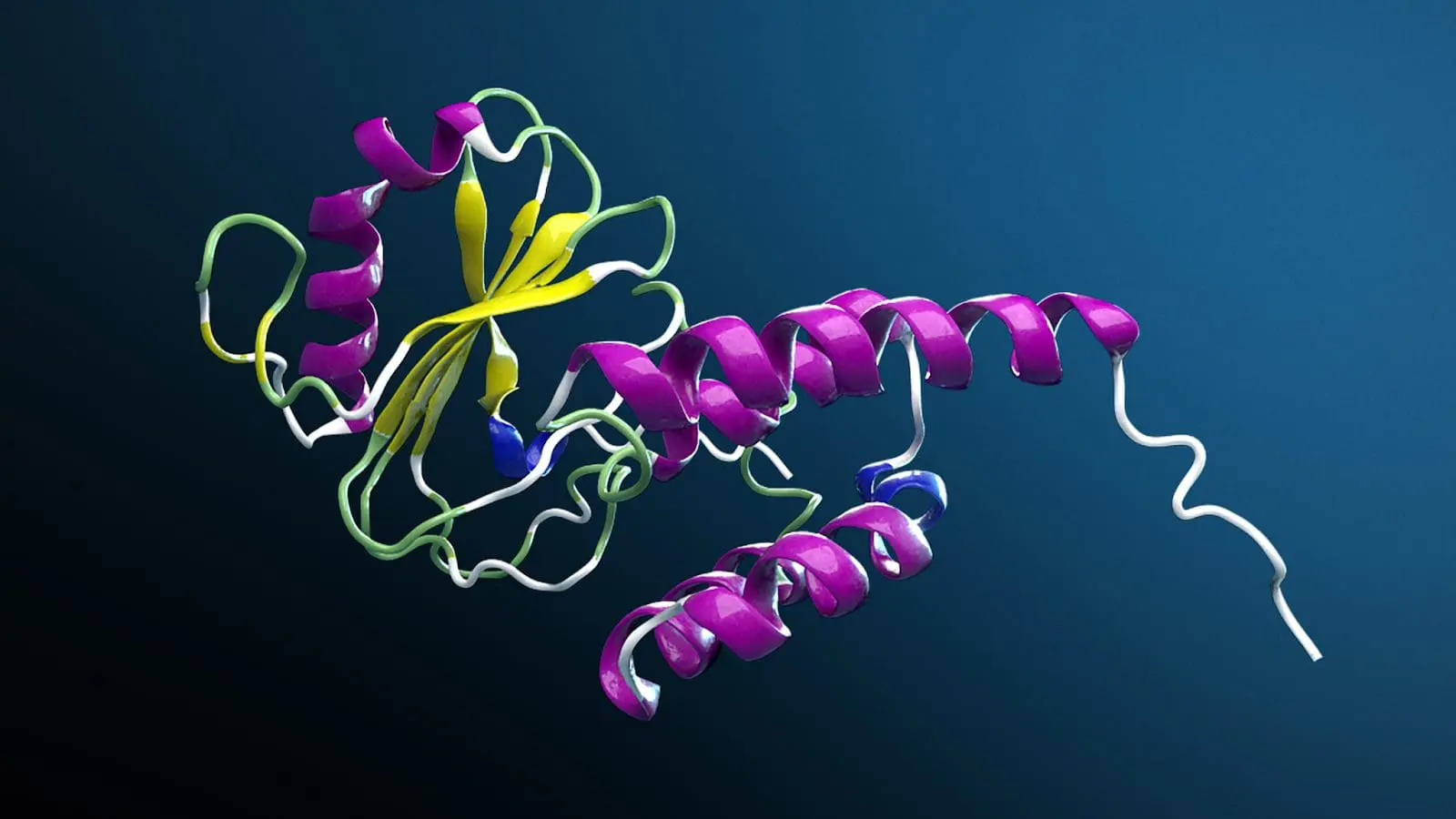
In a significant step forward for computer-aided discovery of biomolecules, NVIDIA has open-sourced its BioNeMo Framework, a comprehensive toolkit of programming resources, libraries, and AI models designed specifically for drug discovery. This move empowers academic labs and biotech companies with the tools necessary for protein design, small molecule generation, and custom model development. By leveraging GPU optimization, BioNeMo is poised to accelerate biochemical predictive modeling, paving the way for groundbreaking advancements in the field.
The BioNeMo ecosystem comprises a framework of programming tools and packages offering access to optimized, pre-trained biomolecular models and workflows and easy-to-use inference microservices with built-in API endpoints. Notable companies such as Amgen, Cognizant, and Cadence have already harnessed the power of BioNeMo to enhance biologics discovery and development, accelerate drug discovery, and shorten time to trusted results in therapeutic design.
Accelerating Drug Discovery with BioNeMo: A Toolkit for AI-Driven Biomolecular Research
BioNeMo, a software ecosystem developed by NVIDIA, has been open-sourced to provide academic labs and biotech companies with a comprehensive toolkit for drug discovery. This release is expected to significantly accelerate the development of computer-aided discovery of biomolecules. BioNeMo offers a range of programming resources, libraries, and AI models designed specifically for protein design, small molecule generation, and custom model development.
At its core, BioNeMo is a software ecosystem that enables researchers to build, train, and deploy AI models for various biological applications. The main components of BioNeMo include the BioNeMo Framework and BioNeMo NIMs (Network Inference Microservices). The BioNeMo Framework provides a free-to-use collection of programming tools and packages offering access to optimized, pre-trained biomolecular models and workflows. This framework enables building and customizing models, including training and fine-tuning, with capabilities spanning various workloads and therapeutic modalities.
BioNeMo NIMs, on the other hand, are easy-to-use, enterprise-ready inference microservices with built-in API endpoints. These microservices are engineered for scalable, self- or cloud-hosted deployment of optimized, production-grade biomolecular foundation models. The choice between using the BioNeMo Framework and BioNeMo NIMs depends on the specific requirements of a project. While the Framework is ideal for scenarios that require model training, fine-tuning, or customization, NIMs are optimized for inference-only workflows.
Streamlining Biomolecular Modeling with GPU Optimization
One of the key advantages of BioNeMo is its GPU optimization, which enables faster biochem predictive modeling. This is particularly important in biomolecular research, where complex simulations and models require significant computational resources. By leveraging NVIDIA’s expertise in GPU acceleration, BioNeMo can significantly reduce the time required for biomolecular modeling, enabling researchers to focus on higher-level tasks such as model development and validation.
The impact of BioNeMo’s GPU optimization is evident in user success stories, such as Amgen’s use of BioNeMo and DGX Cloud to train large language models (LLMs) on proprietary protein sequence data. By using BioNeMo, Amgen achieved faster training and up to 100X faster post-training analysis, accelerating the drug discovery process.
Enhancing Drug Discovery with Generative AI
BioNeMo’s capabilities extend beyond biomolecular modeling to include generative AI technology. This enables researchers to rapidly analyze vast datasets, predict interactions between drug compounds, and create new development pathways. The collaboration between Cognizant and NVIDIA is a prime example of this, where BioNeMo is being used to enhance drug discovery for pharmaceutical clients using generative AI technology.
The integration of Cadence’s Orion molecular design platform with BioNeMo’s generative AI tool is another example of how BioNeMo can accelerate therapeutic design and shorten time to trusted results in drug discovery. This combined platform will enable pharmaceutical companies to quickly generate and assess design hypotheses across various therapeutic modalities using on-demand GPU access.
Democratizing Access to Biomolecular Research Tools
The open-sourcing of BioNeMo is a significant step towards democratizing access to biomolecular research tools. By providing academic labs and biotech companies with a comprehensive toolkit for drug discovery, BioNeMo can help level the playing field and enable more researchers to contribute to the development of life-saving treatments.
As the user success stories demonstrate, BioNeMo has already shown its potential in accelerating the drug discovery process. With its open-sourcing, NVIDIA is expected to further accelerate the development of computer-aided discovery of biomolecules, ultimately leading to faster and more effective treatment options for patients.
External Link: Click Here For More