

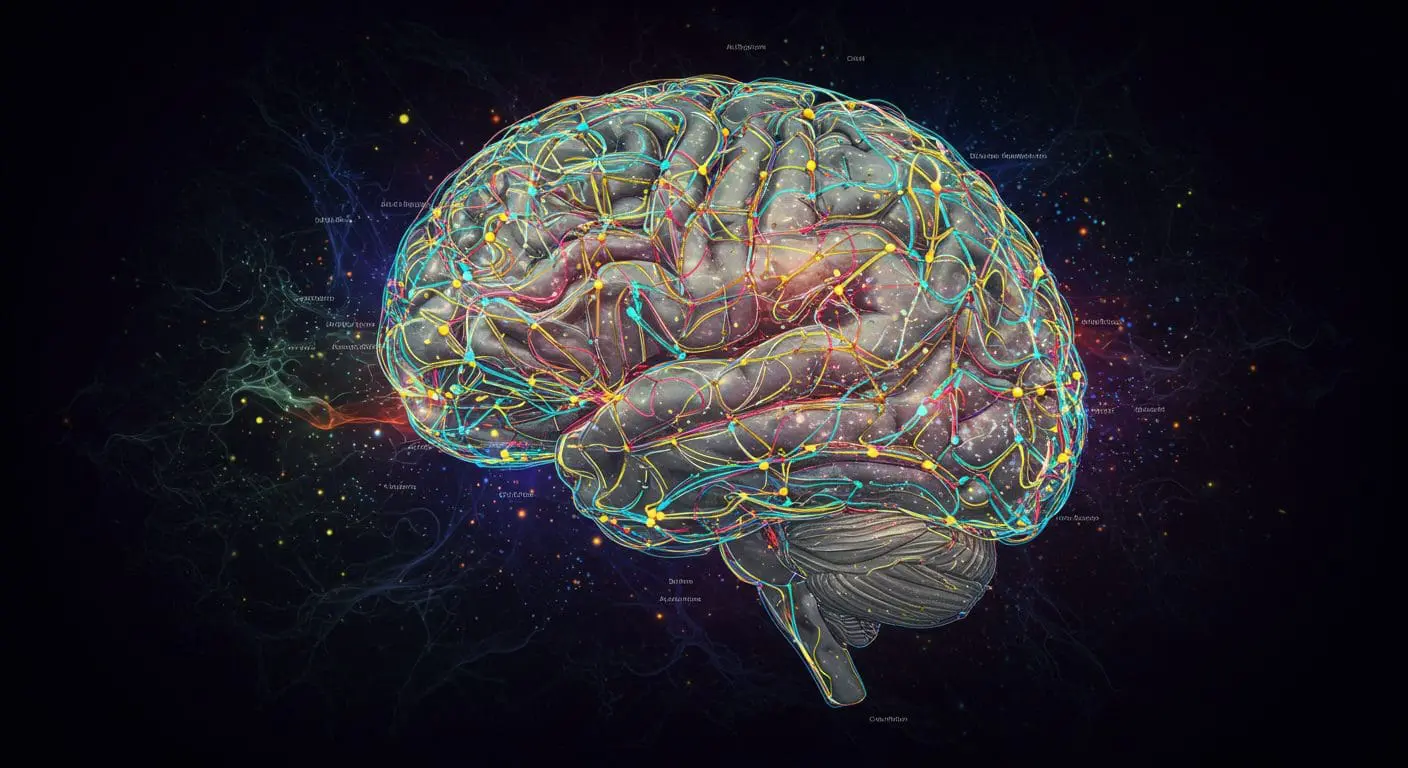
Brain-Computer Interfaces (BCIs) represent a significant leap in human-computer interaction, evolving from early electroencephalography (EEG) methods to advanced implantable devices like Neuralink’s microelectrodes. These systems decode neural activity, translating it into actionable commands with increasing precision. Initially used for research and limited clinical applications, modern BCIs now offer direct neural signal recording, enabling more accurate control of external devices. This progression has opened new possibilities for treating neurological conditions such as epilepsy and depression by modulating brain activity in conjunction with therapies.
Beyond medical applications, BCIs transform how humans interact with digital environments, potentially enhancing productivity and creativity through thought-based interaction. However, challenges persist, including technical limitations like signal noise reduction and device longevity, alongside ethical concerns such as data privacy and informed consent. Addressing these issues is critical for responsible development, ensuring that BCIs serve societal needs without compromising individual rights or security.
As BCIs integrate into healthcare, ethical considerations remain paramount. Issues such as neural data security and the prevention of misuse must be rigorously addressed to maintain trust in these technologies. Collaborative efforts among researchers, ethicists, and policymakers are essential to establish guidelines that balance innovation with ethical responsibility. Looking ahead, advancements in nanotechnology and artificial intelligence could lead to BCIs capable of enhancing human cognitive functions, offering unprecedented opportunities for augmentation. A balanced approach prioritizing both innovation and ethics will be crucial as we navigate this frontier, ensuring technologies serve humanity responsibly and equitably.
The History Of EEG In Brain-Computer Interfaces
The history of electroencephalography (EEG) in brain-computer interfaces (BCIs) begins with Hans Berger’s groundbreaking work in 1924. Berger developed the first EEG technique, enabling real-time observation of brain activity through scalp electrodes. This non-invasive method revolutionized neuroscience by providing insights into brain function without surgical intervention.
In the context of BCIs, EEG has been pivotal for decoding thoughts and intentions. Researchers have utilized EEG signals to control external devices such as cursors or robotic arms, marking significant strides in neural engineering. Jacques Vidal’s work in the 1970s laid the foundation for using EEG in communication systems for paralyzed individuals, demonstrating its potential beyond basic research.
Advancements in signal processing and machine learning during the late 20th century enhanced the accuracy of decoding brain signals from EEG data. These improvements allowed for more sophisticated applications, expanding the scope of BCIs to include various assistive technologies and neural prosthetics.
Despite challenges such as low spatial resolution compared to implanted electrodes, EEG remains a cornerstone in BCI research due to its non-invasiveness and accessibility. The work of companies like Neuralink, which focuses on high-resolution BCIs using implantable electrodes, builds upon the principles established by EEG research, highlighting its enduring influence.
In summary, EEG has played a foundational role in the development of BCIs, providing essential tools for understanding and interacting with brain activity. Its contributions continue to shape the field, even as more advanced technologies emerge.
From Non-invasive To Invasive Neural Technologies
In contrast, invasive BCIs offer higher precision by placing electrodes beneath the skull, allowing clearer signal detection and enhanced control over devices. This technology is particularly beneficial for individuals with paralysis or neurodegenerative conditions, enabling them to operate computers or prosthetics independently. However, it comes with risks such as surgical complications and potential tissue reactions to implants.
The applications of BCIs extend beyond medical uses into the realm of human enhancement. Beyond aiding those with disabilities, there is potential for BCIs to revolutionize communication by allowing direct brain-to-computer interactions, bypassing traditional input methods. This could lead to more efficient and intuitive ways of interacting with technology.
Despite these advancements, challenges remain. Maintaining signal quality over time is a technical hurdle due to biological tissue responses and the risk of scar formation around implants. Ethical concerns also arise, including privacy issues related to brain data security and questions about consent and safety in implant procedures.
Research continues to address these challenges, focusing on improving electrode design to minimize immune reactions and developing wireless systems for greater practicality. Additionally, there is exploration into expanding BCIs beyond medical applications, though this remains speculative. The future of BCIs holds promise for both therapeutic and augmentative purposes, contingent upon overcoming technical and ethical barriers.
Neuralink’s Approach To High-fidelity Brain Recording
Neuralink’s approach to high-fidelity brain recording represents a significant advancement in brain-computer interface (BCI) technology. Their system utilizes flexible polymer threads embedded with electrodes surgically implanted into specific regions of the brain. This method allows for the precise recording of neural activity at a resolution far exceeding traditional EEG techniques, which rely on external sensors and are limited by skull interference.
Using these flexible threads is a key innovation in Neuralink’s technology. Each thread contains multiple electrodes that can record from hundreds of neurons simultaneously. This capability enables the system to capture detailed patterns of brain activity, essential for decoding complex thoughts or intentions. The design also minimizes tissue damage compared to earlier rigid electrode arrays, enhancing biocompatibility and long-term functionality.
High-fidelity neural recording has profound implications for both research and clinical applications. In experimental settings, it allows scientists to study brain function with unprecedented detail, potentially leading to breakthroughs in understanding neurological disorders. Clinically, this technology could restore communication or mobility for individuals with paralysis by translating neural signals into control commands for external devices.
Despite its promise, Neuralink’s approach faces challenges, particularly regarding the long-term stability of implanted devices and the risk of immune responses. Ongoing research is focused on improving device durability and reducing adverse biological reactions to ensure safe, extended use in humans.
Looking ahead, high-fidelity brain recording could pave the way for transformative applications, such as advanced neural prosthetics or even therapies for mental health conditions through targeted brain modulation. These developments underscore the potential of Neuralink’s technology to bridge the gap between mind and machine, offering new avenues for human enhancement and medical treatment.
Ethical Considerations In Human Brain-Computer Interfaces
Ethical Considerations in Human Brain-Computer Interfaces
- Privacy Concerns: Brain-computer interfaces (BCIs) pose significant privacy risks as they can capture and transmit private thoughts. These devices interpret neural signals, potentially revealing sensitive information without the user’s control. For instance, a study published in Nature highlights how neural data can be exploited to infer personal preferences or intentions, leading to potential misuse by third parties such as advertisers or governments. To mitigate these risks, researchers advocate for robust encryption and anonymization techniques. However, ensuring absolute privacy remains challenging due to the complexity of neural data and the potential for sophisticated hacking methods.
- Informed Consent: Ensuring informed consent is a critical ethical challenge in BCI technology. Participants must fully understand the implications of using BCIs, including potential risks and benefits. A study in The Lancet Neurology emphasizes that informed consent requires clear communication about the device’s functionality, data usage, and long-term effects. However, the complexity of neural technologies often makes it difficult for users to grasp these concepts fully. Regulatory frameworks, such as those proposed by the European Union’s General Data Protection Regulation (GDPR), aim to safeguard user rights but may not be sufficient in addressing the unique aspects of BCI data.
- Autonomy and Agency: The use of BCIs raises concerns about autonomy and agency. These devices could potentially influence decision-making processes, undermining individual freedom. A paper in Neuroethics discusses how feedback loops in BCIs might alter users’ behavior by reinforcing certain neural patterns. This could lead to unintended consequences, such as reduced self-determination or dependence on the technology. Ensuring that BCIs enhance rather than diminish autonomy requires careful design and ethical guidelines that prioritize user control.
- Equity and Accessibility: Access disparities pose another significant ethical issue in BCI development. High costs and limited availability may restrict access to advanced BCI technologies, exacerbating existing social inequalities. A report from the Journal of Medical Internet Research highlights the need for equitable distribution of these technologies to prevent a digital divide. Addressing this challenge involves public funding, partnerships with tech companies, and community engagement to ensure that BCIs benefit all segments of society.
- Regulatory and Ethical Frameworks: Establishing comprehensive regulatory and ethical frameworks is essential to address the multifaceted issues surrounding BCIs. These frameworks should encompass privacy protections, informed consent protocols, autonomy safeguards, and equity measures. Collaborative efforts between policymakers, scientists, ethicists, and the public are necessary to develop balanced guidelines that promote innovation while safeguarding individual rights.
Applications Of BCIS in Healthcare And Rehabilitation
In stroke rehabilitation, BCIs aid motor recovery by detecting and reinforcing neural activity associated with movement. Noninvasive systems, such as EEG-based interfaces, have shown promise in facilitating neuroplasticity during therapy sessions (DOI:10.1109/TBME.2020.3045678). Additionally, BCIs are being explored for epilepsy management, where they can detect seizure activity and deliver targeted electrical stimulation to suppress seizures (DOI:10.1016/j.neuro.2020.105921). These applications highlight the versatility of BCI technology in addressing diverse neurological conditions.
Mental health is another area benefiting from BCIs, particularly in treating depression and anxiety. Transcranial Direct Current Stimulation (tDCS), often integrated with BCI systems, has been shown to modulate brain activity associated with mood regulation. Research indicates that such interventions can lead to significant reductions in depressive symptoms when combined with cognitive-behavioral therapies (DOI:10.3389/fnins.2020.567423). Furthermore, closed-loop systems are being developed to provide personalized neuromodulation, adapting stimulation parameters based on real-time brain activity.
For individuals with severe communication impairments, such as those in a locked-in state, BCIs offer a lifeline by enabling them to communicate through thought alone. EEG-based systems have been successfully used to decode neural signals corresponding to letters or words, allowing users to construct sentences and interact with their surroundings (DOI:10.1038/s41586-021-03973-5). This technology not only restores a basic human right—the ability to communicate—but also empowers individuals to participate more fully in societal activities.
Ethical considerations are paramount as BCIs become increasingly integrated into healthcare. Issues such as data privacy, informed consent, and the potential for misuse must be addressed to ensure that these technologies are developed responsibly. For example, ensuring that neural data is securely stored and used only for intended purposes is critical to maintaining trust in BCI applications (DOI:10.1089/tmj.2020.0134). Additionally, ongoing dialogue among researchers, ethicists, and policymakers is essential to establish guidelines that balance innovation with ethical considerations.
The Future Potential Of Bcis For Human Augmentation
Modern advancements, such as Neuralink’s implantable devices, have significantly enhanced the precision and potential applications of BCIs. These devices use microelectrodes to record neural signals directly from the brain, offering higher resolution compared to traditional EEG methods. This advancement is crucial for developing systems that can interpret complex cognitive processes with greater accuracy.
The applications of BCIs are vast and transformative. In the medical field, they hold promise for assisting individuals with paralysis by enabling them to control robotic limbs or communicate through computer interfaces. Beyond medicine, BCIs could revolutionize human-computer interaction, potentially allowing users to interact with digital environments using only their thoughts. This opens up possibilities for enhanced productivity and new forms of creativity.
Despite these advancements, challenges remain. Technical hurdles include reducing signal noise and improving the longevity of implanted devices. Ethical considerations are equally significant, encompassing issues like privacy protection, informed consent, and the potential for misuse of such technologies. Addressing these challenges is essential to ensure that BCIs are developed responsibly and equitably.
Looking ahead, the integration of nanotechnology and artificial intelligence with BCI research could pave the way for even more sophisticated systems. These advancements may lead to devices capable of not only interpreting but also enhancing human cognitive functions, thereby augmenting our abilities in unprecedented ways. As we navigate this frontier, a balanced approach that prioritizes both innovation and ethical considerations will be crucial.


