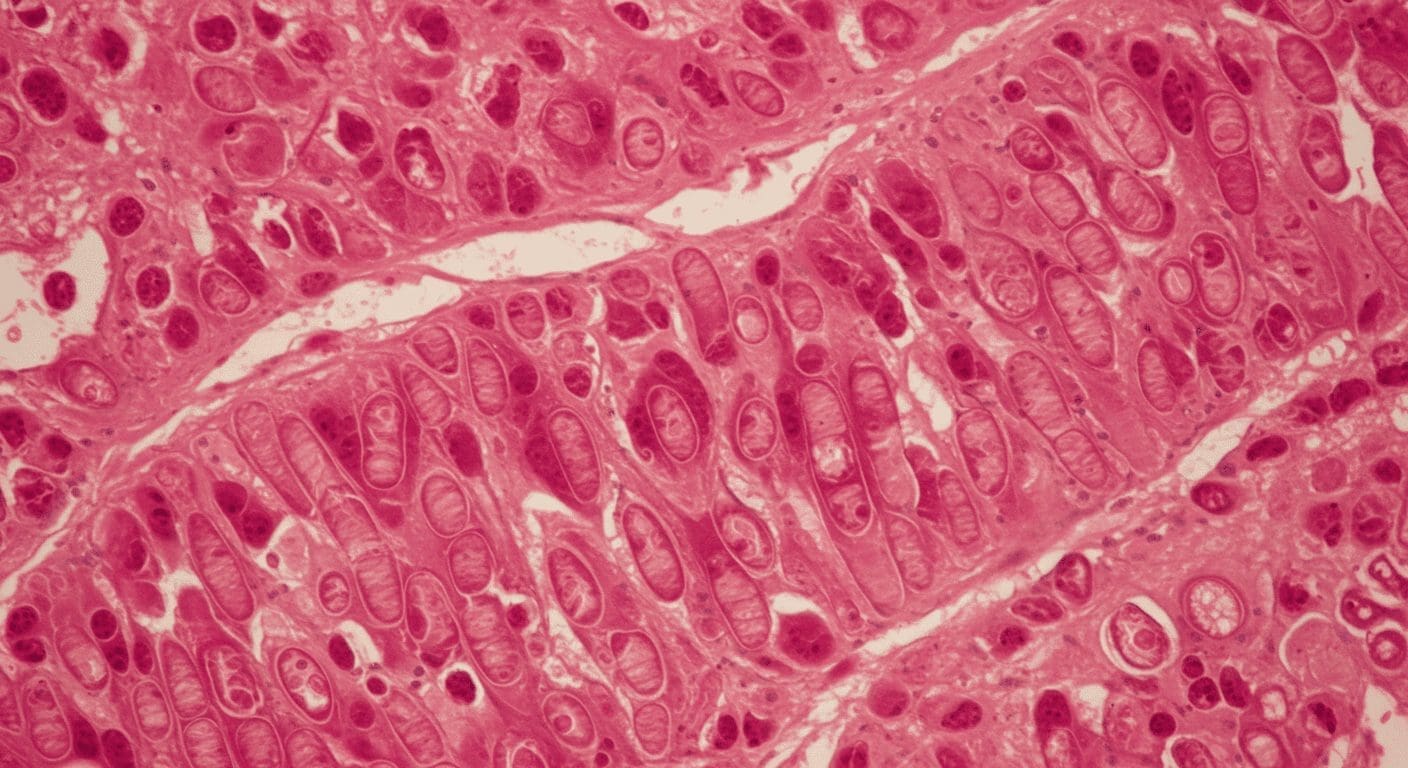
A recent study published in NEJM AI demonstrates that machine learning has achieved a level of accuracy comparable to pathologists in diagnosing coeliac disease, an autoimmune disorder triggered by gluten consumption, which can cause symptoms such as fatigue and digestive issues. By training an algorithm on biopsy images, researchers were able to develop a system that not only distinguishes between healthy and diseased tissue but also holds the potential to significantly expedite the diagnostic process, reducing the time patients spend waiting for confirmation.
This advancement is particularly impactful given the often prolonged journey many individuals face in obtaining a correct diagnosis, as highlighted by patient stories like Liz Cox’s, who experienced symptoms for nearly three decades before receiving her diagnosis. The research, funded by organizations such as Coeliac UK and Innovate UK, underscores the transformative potential of artificial intelligence in improving healthcare outcomes and emphasizes the importance of early detection to prevent complications associated with untreated coeliac disease.
The study demonstrates that machine learning models can achieve diagnostic accuracy comparable to human pathologists in identifying coeliac disease through histopathological analysis of biopsy images. These models are trained to recognize key histological features such as villous atrophy and intraepithelial lymphocytosis, which are critical indicators of the condition. Validation against expert evaluations confirms that machine learning can match human expertise in diagnostic precision.
The methodology involves computational simulations and modeling to train algorithms on histopathological images, with validation ensuring comparable performance metrics to those of expert pathologists. This approach enhances diagnostic efficiency and offers a scalable solution for processing large volumes of biopsy samples, particularly beneficial in regions with limited access to specialized pathologists.
Challenges include the need for high-quality, diverse training data to avoid biases and ensure accurate performance across different patient populations. Additionally, integrating these tools into clinical practice may face regulatory, financial, and adoption barriers. Future research could explore combining histopathological data with genetic or serological tests to further enhance diagnostic accuracy. Addressing these challenges is essential for the successful implementation of machine learning in coeliac disease diagnostics.
The study received funding support from Coeliac UK, which has been instrumental in advancing research into coeliac disease diagnostics and treatment. This collaboration aims to improve the lives of individuals affected by the condition through innovative scientific advancements.
More information
External Link: Click Here For More