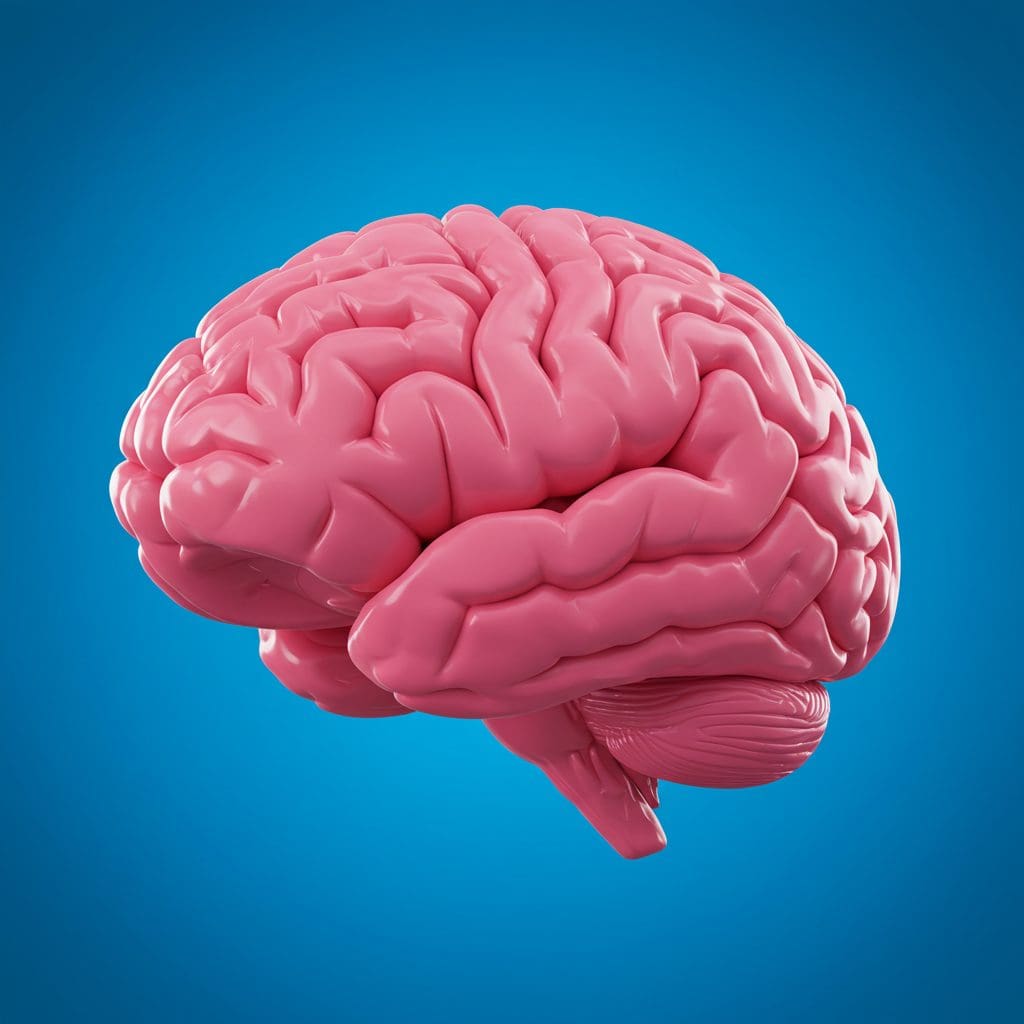
The Lieber Institute for Brain Development (LIBD) is expanding its drug discovery capabilities through a comprehensive migration to Amazon Web Services (AWS), leveraging generative and predictive artificial intelligence to accelerate research into brain disorders. Based in Baltimore, Maryland, and utilising the world’s largest collection of donated brains – exceeding 5,000 specimens – the Institute will deploy a new tool, Generative Reinforcement Alignment of Predicted Expression (GRAPE), to design and evaluate potential drug candidates, initially focusing on schizophrenia and its complex genetic basis. This initiative, supported by a 2024 AWS IMAGINE Grant, aims to overcome the limitations of existing treatments by addressing multiple risk genes simultaneously, and will also incorporate techniques like cell painting – an imaging method now significantly accelerated by AWS’s computing power – to identify novel drug targets and streamline data analysis.
Lieber Institute Enhances Drug Discovery with Cloud-Based AI
The Lieber Institute for Brain Development (LIBD) is strengthening its computational infrastructure through an expanded partnership with Amazon Web Services (AWS). This transition facilitates the development of GRAPE, a novel tool integrating generative and predictive artificial intelligence, and aims to accelerate the identification of therapeutic candidates for brain disorders, notably schizophrenia. As an independent, non-profit organisation affiliated with Johns Hopkins University School of Medicine, LIBD is dedicated to improving the lives of individuals affected by schizophrenia and related developmental brain disorders through innovative research and collaborative partnerships. The Institute’s research focuses on translating fundamental understanding of the genetic and molecular basis of these conditions into clinical advances.
LIBD is also utilising AWS to accelerate its cell painting analyses, a high-content imaging technique that visualises cellular components, which previously required substantial processing time. Through AWS, the Institute has reduced analysis timelines from days to approximately thirty minutes, allowing for increased throughput and parallel experimentation. This accelerated workflow is supported by collaborative efforts to develop user-friendly applications, enabling researchers with limited coding experience to incorporate cell painting into their investigations.
A core asset of LIBD is its extensive brain repository, comprising over 5,000 postmortem human brains, the largest collection of its kind globally. This resource provides invaluable materials for studying the molecular and genetic underpinnings of neuropsychiatric disorders, and the migration of associated data to AWS facilitates large-scale analyses and integration with other datasets, enhancing the potential for identifying biomarkers and therapeutic targets. Artificial intelligence is being applied to the brain repository data to integrate genomic, transcriptomic, and proteomic data, identifying novel drug targets and uncovering previously unknown pathways and mechanisms involved in disease pathogenesis.
GRAPE leverages AWS’s generative AI capabilities to explore chemical space and predict the efficacy of potential drug compounds, significantly reducing the time and resources traditionally required for drug discovery. This approach enables a more rapid evaluation of candidate molecules and is designed to identify novel targets and pathways implicated in neuropsychiatric disorders, potentially leading to the development of more effective treatments. The Institute’s substantial genomic and multi-omic datasets are now stored within the AWS cloud environment, providing researchers with enhanced accessibility and scalability.
More information
External Link: Click Here For More