

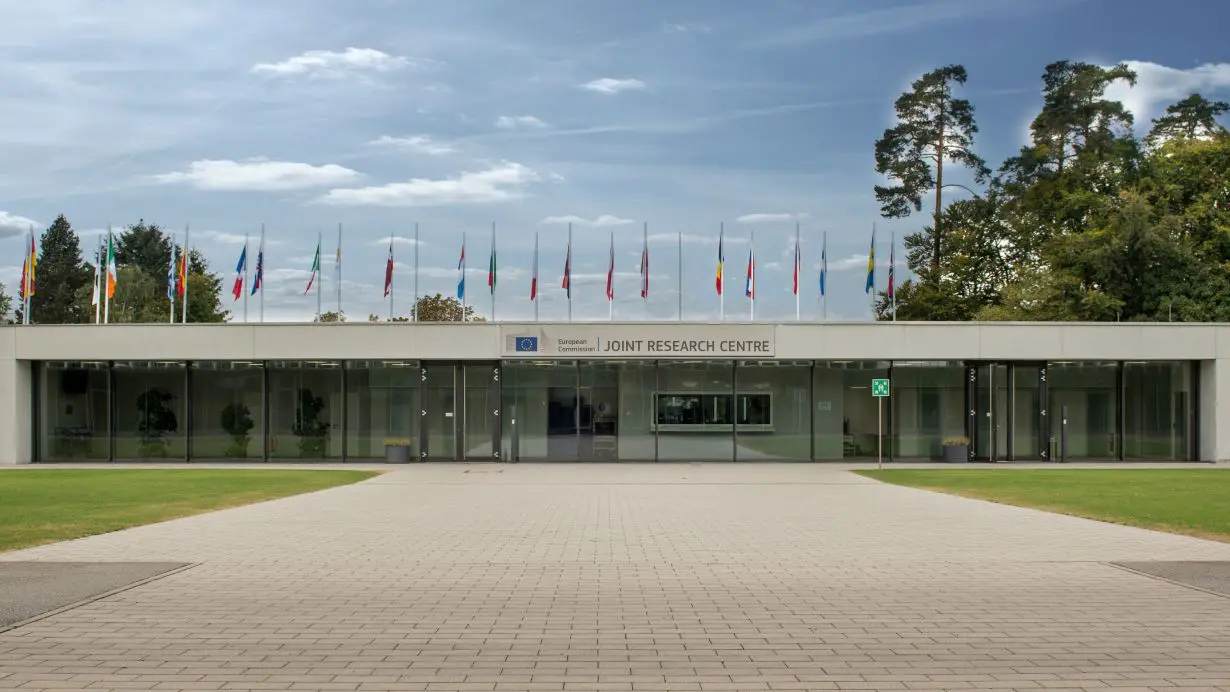
The Karlsruhe Institute of Technology (KIT) and the Joint Research Centre (JRC) of the European Commission have formalised a collaborative agreement to advance research in nuclear safety, security, and monitoring. This partnership will focus on both fundamental research, specifically in actinide chemistry, and applied research encompassing nuclear medicine, space travel, and nuclear waste management. A key objective is the training of young researchers and the development of European expertise in the nuclear sector, facilitated by improved access to research infrastructure and joint academic activities. The JRC, operating from multiple European locations, provides evidence-based research, while KIT, a research university with approximately 10,000 employees, aims to translate scientific findings into practical applications.
Enhanced Nuclear Collaboration
The collaboration between KIT and the JRC will encompass both fundamental and applied research, with a specific intention to address scientific issues benefiting the public. Joint fundamental research will focus on expanding understanding of actinide chemistry, which concerns the study of heavier, often radioactive, elements, while applied research will concentrate on areas including nuclear medicine, space travel, and the intermediate storage and disposal of nuclear waste. This partnership also intends to develop innovative strategies for decommissioning nuclear facilities and enhancing international nuclear safety surveillance, including improved assessment of reactor safety and structural materials.
The JRC’s Directorate for Nuclear Safety and Security conducts research encompassing non-energy applications, nuclear reactor and fuel safety, radioactive waste disposal, and nuclear data for reactors, with locations in Geel, Ispra, Karlsruhe, and Petten. This research complements KIT’s dedication to creating and disseminating knowledge for societal and environmental benefit, with approximately 10,000 employees collaborating across diverse disciplines. A primary objective of the collaboration is the training and development of nuclear capacity in Europe, facilitated through improved access to research infrastructures and planned joint seminars and publications, ultimately securing Europe’s future scientific expertise and sovereignty in the field of nuclear safety research.
Strengthening European Expertise
Beyond research activities, the partnership seeks to strengthen Europe’s overall position in the nuclear field through focused training and development of nuclear capacity. This will be achieved by fostering dialogue between researchers and students, facilitated by improved access to research infrastructures and planned joint seminars and publications. The collaboration aims to secure Europe’s future scientific expertise and sovereignty, contributing to advancements in nuclear safety research.
KIT, as a research university within the Helmholtz Association, contributes to global challenges in energy, mobility, and information with approximately 10,000 employees collaborating across diverse disciplines. Innovation at KIT bridges the gap between scientific findings and their practical application, promoting societal progress and environmental sustainability, and the university is recognised as one of Germany’s universities of excellence. The JRC, the European Commission’s science and knowledge service, provides independent, evidence-based research to inform policy and benefit society, influencing both the scope and methodology of its research activities.
Institutional Capabilities and Research Focus
A primary focus of the cooperation is the training and development of nuclear capacity in Europe, fostering dialogue between researchers and students through improved access to research infrastructures and planned joint seminars and publications. This collaboration aims to secure Europe’s future scientific expertise and sovereignty in the field.
The JRC’s Directorate for Nuclear Safety and Security, with locations in Geel (Belgium), Ispra (Italy), Karlsruhe (Germany), and Petten (Netherlands), conducts research encompassing non-energy applications, nuclear reactor and fuel safety, radioactive waste disposal, and nuclear data for reactors. Applied research will focus on intensifying cooperation in areas including nuclear medicine, space travel, and the intermediate storage and disposal of nuclear waste.
KIT, a research university within the Helmholtz Association, is dedicated to creating and disseminating knowledge for societal and environmental benefit, contributing to global challenges in energy, mobility, and information, with approximately 10,000 employees collaborating across diverse disciplines. Innovation at KIT bridges the gap between scientific findings and their practical application, promoting societal progress and environmental sustainability, and the university is recognised as one of Germany’s universities of excellence.
More information
External Link: Click Here For More


