IonQ and Ansys have demonstrated quantum computing outperforming classical methods in a real-world engineering application, achieving up to 12% faster processing on blood pump simulations using IonQ’s Forte system. This milestone, announced from College Park, MD, marks one of the first instances where quantum computing has surpassed classical approaches. It showcases practical improvements for industrial applications such as medical device design, automotive safety, and logistics optimization. The collaboration highlights the potential of quantum-accelerated high-performance computing to enhance mainstream engineering workflows.
Quantum Computing Outperforms Classical Methods in Medical Device Design
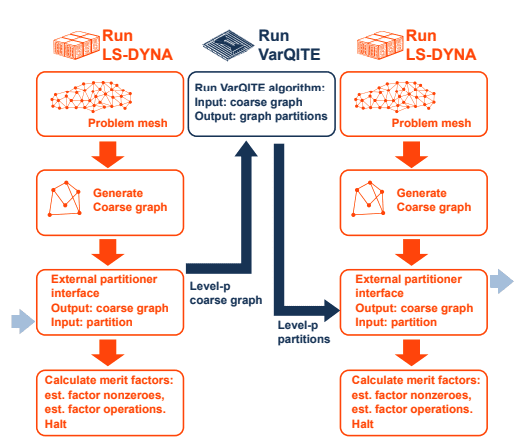
IonQ and Ansys have achieved a notable milestone by demonstrating quantum computing outperforming classical methods in medical device design. Their collaboration focused on simulating blood pump dynamics using Ansys LS-DYNA, where IonQ’s production system showed a 12% performance improvement over classical computing. This application highlights the potential of quantum computing in enhancing fluid interaction analysis within medical devices.
This achievement underscores the real-world impact of quantum computing in engineering and its applicability to other industries such as automotive safety and logistics. IonQ’s versatile optimization method, utilized in this project, exemplifies how quantum solutions can be adapted across various sectors, showcasing the technology’s broad potential beyond niche applications.
Collaboration Between IonQ and Ansys Showcases Quantum Advantages
The collaboration between IonQ and Ansys demonstrates a practical application of quantum computing in enhancing engineering workflows. By leveraging IonQ’s production system, specifically the IonQ Forte, the teams successfully simulated blood pump dynamics using Ansys LS-DYNA. This simulation involved handling up to 2.6 million vertices and 40 million edges, showcasing the ability of quantum systems to manage complex computational tasks efficiently.
The results of this demonstration highlight a clear advantage of quantum computing over classical methods in specific engineering contexts. The 12% performance improvement achieved by IonQ’s system underscores the potential for quantum-accelerated high-performance computing to deliver tangible benefits across various industries, including automotive safety and logistics optimization. This achievement not only validates the real-world applicability of quantum technologies but also provides a foundation for further advancements in quantum-based solutions.
Quantum Optimization Method Expands Industrial Applications Beyond Engineering
The quantum optimization method developed by IonQ has demonstrated its versatility in addressing complex computational challenges beyond traditional engineering workflows. This approach, applied in collaboration with Ansys, successfully optimized blood pump dynamics simulations, achieving a 12% performance improvement over classical computing methods. The same methodology can be extended to other industrial applications, including automotive safety, logistics optimization, and portfolio management.
In automotive safety, for instance, the quantum optimization method could enhance crash simulation accuracy by analyzing intricate vehicle interactions more efficiently than classical systems. Similarly, in logistics and supply chain optimization, this approach could streamline resource allocation and reduce operational costs by solving complex scheduling problems faster and with greater precision.
The adaptability of IonQ’s optimization framework highlights its potential to revolutionize diverse industries by addressing computationally intensive tasks that are currently challenging for classical computers. As quantum hardware continues to advance, the practical applications of such methods will expand, offering transformative solutions across various sectors.
More information
External Link: Click Here For More