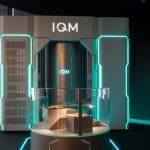
IBM has unveiled a 3D model of its Quantum System Two, also known as the RasQberry project. The model is designed to capture the spirit of the system’s design while being easy to print and assemble. Credit for the bulk of the 3D design work goes to Eric Jenney, with significant input from Andy Stanford-Clark, Sascha Shefenacker, and Jan Lahmann. A team of enthusiastic contributors at IBM also provided ideas and testing input.
The model features Room Temperature Electronics boxes fitted with magnets, allowing for a satisfying connection to the main cryostat structure. This project showcases IBM’s commitment to innovation in quantum technology. With the help of key individuals like Eric Jenney and Andy Stanford-Clark, the company is making strides in developing functional models of its quantum systems. The RasQberry project demonstrates the potential for collaboration and creativity in the field of quantum computing.
Introduction to the RasQberry Project
The RasQberry project is an initiative to create a functional 3D model of the IBM Quantum System Two, a cutting-edge quantum computing system. This project aims to capture the essence of the System Two design while making it easy to print, assemble, and operate. The 3D model is designed to adhere closely to the size ratios of the real physical system, with some artistic license taken to ensure that the model is functional and aesthetically pleasing. The project is a collaborative effort, with contributions from several individuals, including Eric Jenney, Andy Stanford-Clark, Sascha Shefenacker, and Jan Lahmann, among others.
The RasQberry project is significant because it provides a unique opportunity for enthusiasts and researchers to explore the design and functionality of a quantum computing system. The model is designed to be easy to assemble, with well-documented instructions and minimal requirements for supports during printing. This makes it accessible to a wide range of individuals, from hobbyists to professionals, who are interested in learning more about quantum computing. Furthermore, the project welcomes feedback and suggestions for improvement, which will help to refine the design and ensure that it meets the needs of its users.
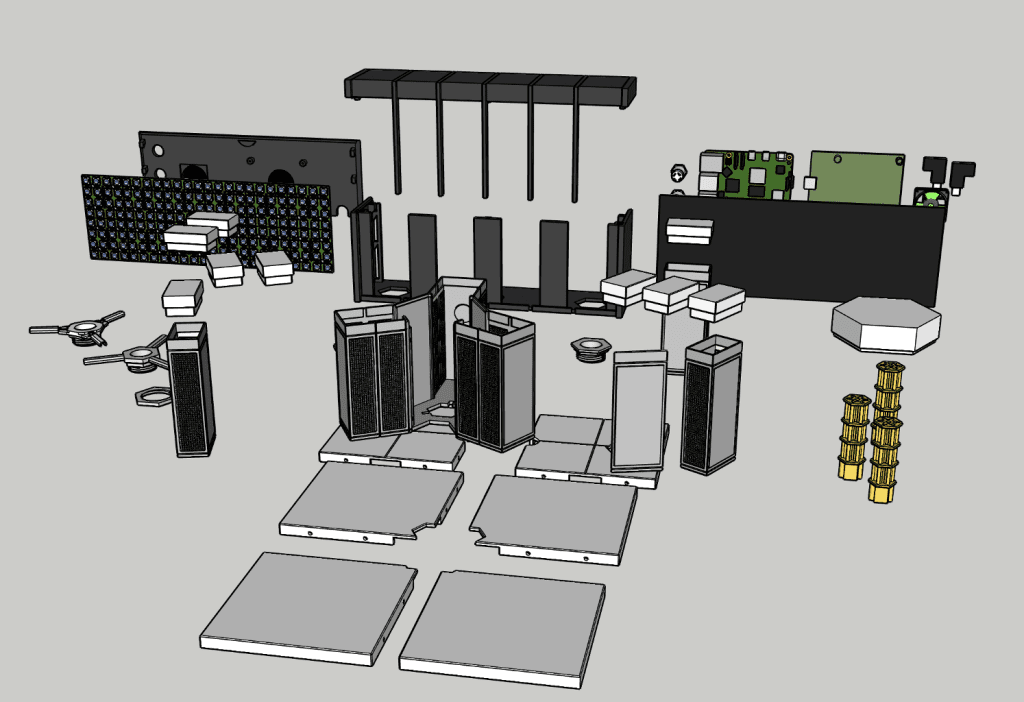
One of the key features of the RasQberry model is its attention to detail, particularly with regards to the “Room Temperature Electronics” (RTE) boxes. These boxes are designed to fit together with magnets, providing a satisfying “clunk” connection to the main cryostat structure. This level of detail is impressive, given that the model is intended for educational and promotional purposes rather than as a functional quantum computing system. The use of magnets to connect the RTE boxes also adds an element of realism to the model, making it more engaging and interactive.
The RasQberry project has the potential to contribute significantly to the field of quantum computing, particularly in terms of education and outreach. By providing a detailed and accurate model of a quantum computing system, the project can help to raise awareness and understanding of this complex technology. Additionally, the project’s collaborative nature and open invitation for feedback and suggestions demonstrate a commitment to community engagement and participation. This approach is essential for promoting innovation and advancing knowledge in the field of quantum computing.
Design and Development of the RasQberry Model
The design and development of the RasQberry model involved a significant amount of work and collaboration among the project’s contributors. The team used computer-aided design (CAD) software to create the 3D model, which was then refined and tested through an iterative process. The goal was to create a model that was not only accurate but also easy to print and assemble. To achieve this, the team had to balance the level of detail with the need for simplicity and ease of use.
The design of the RasQberry model is based on the IBM Quantum System Two, which is a real quantum computing system developed by IBM. The System Two is a complex system that consists of multiple components, including the cryostat, the RTE boxes, and the superconducting qubits. The RasQberry model captures the essence of this design, with a focus on the key components and their relationships. The model is designed to be scalable, allowing users to print and assemble different parts of the system as needed.
One of the challenges faced by the project team was ensuring that the model was accurate and faithful to the original design. This required careful attention to detail and a deep understanding of the System Two’s architecture and functionality. The team worked closely with IBM experts and consulted extensively with documentation and other resources to ensure that the model was as accurate as possible. The result is a highly detailed and realistic model that captures the spirit of the System Two design.
The development of the RasQberry model also involved significant testing and refinement. The team printed and assembled multiple versions of the model, identifying areas for improvement and making adjustments as needed. This iterative process helped to ensure that the final product was of high quality and met the needs of its intended users. The team’s commitment to testing and refinement is evident in the final product, which is both functional and aesthetically pleasing.
Quantum Computing and the IBM Quantum System Two
Quantum computing is a rapidly evolving field that has the potential to revolutionize the way we approach complex computational problems. Unlike classical computers, which use bits to represent information, quantum computers use qubits, which can exist in multiple states simultaneously. This property, known as superposition, allows quantum computers to process vast amounts of information in parallel, making them potentially much faster than classical computers for certain types of calculations.
The IBM Quantum System Two is a cutting-edge quantum computing system that is designed to take advantage of this property. The system consists of a cryostat, which houses the superconducting qubits, and a set of RTE boxes, which provide the necessary control and measurement electronics. The system is designed to be highly scalable, allowing users to add or remove components as needed to suit their specific requirements.
One of the key challenges in quantum computing is maintaining the coherence of the qubits, which is essential for reliable operation. The IBM Quantum System Two addresses this challenge through the use of advanced materials and techniques, such as superconducting circuits and cryogenic cooling. The system also includes sophisticated control and measurement electronics, which allow users to manipulate and measure the qubits with high precision.
Conclusion and Future Directions
One of the key challenges facing the field of quantum computing is the need for more research and development. The RasQberry project shows the potential for collaboration and innovation in this area. Similar projects will likely emerge in the future. Additionally, the project’s focus on education and outreach highlights the importance of promoting interest and understanding of quantum computing, which is essential for advancing knowledge and innovation in the field.
In conclusion, the RasQberry project is an impressive achievement that demonstrates the potential for collaboration and innovation in quantum computing. The project’s commitment to community engagement and participation, as well as its focus on education and outreach, make it an important contribution to the development of this complex technology. As the field of quantum computing continues to evolve, it is likely that projects like RasQberry will play an increasingly important role in promoting interest and understanding of this exciting and rapidly evolving field.
External Link: Click Here For More