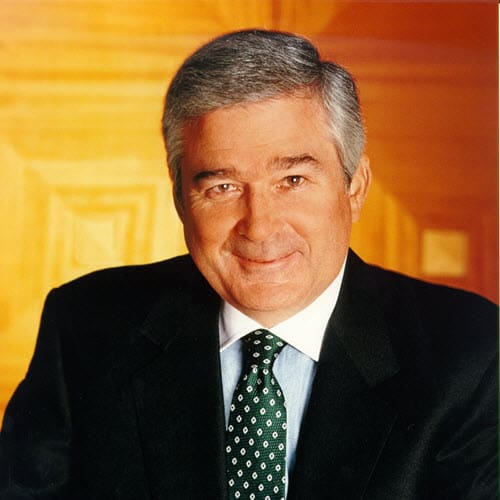
IBM Chairman and CEO Arvind Krishna announced the passing of Lou Gerstner, who led the company from 1993 to 2002 and reshaped it during a period of uncertainty. Gerstner made a pivotal decision to maintain IBM as a unified company, believing clients desired integrated solutions rather than fragmented technology. His leadership reestablished IBM’s relevance with major enterprises.
Lou Gerstner’s 1993-2002 IBM Leadership and Company Restructuring
Upon assuming leadership in 1993, Lou Gerstner identified a critical issue: IBM had become internally focused, prioritizing processes over customer needs. He shifted the company’s emphasis to directly addressing what clients valued, evidenced by his immediate request for straightforward dialogue over lengthy presentations. This change prioritized factual decision-making and client impact, moving away from hierarchical structures. A key decision during Gerstner’s tenure was maintaining IBM as a unified entity, despite pressures to fragment it into separate businesses. He recognized clients desired integrated solutions, not disparate technologies, which fundamentally reshaped IBM’s strategic direction. This approach re-established IBM’s importance to large enterprises, and he also stressed cultural shifts were vital for lasting change alongside strategy.
Shift From Internal Focus to Client-Driven Outcomes & Integration
Gerstner identified a core issue at IBM: internal processes overshadowed client needs. The company had become too focused on its own structures and debates, losing sight of delivering actual value to customers. This realization prompted a shift toward more direct meetings and fact-based decision-making, prioritizing client impact above internal hierarchy or established tradition. A key element of this change involved recognizing client preference for comprehensive solutions. Rather than offering fragmented technologies from separate business units, IBM was steered toward integration. This approach rebuilt IBM’s relevance with major enterprises by providing what customers truly valued, prioritizing long-term relationships alongside quarterly execution.
Lou believed one of IBM’s central problems was that we had become optimized around our own processes, debates, and structures rather than around client outcomes.
Post-IBM Career: McKinsey, American Express, Carlyle Group & Philanthropy
Following his time at IBM (1993-2002), Gerstner continued a distinguished career in multiple sectors. He became a partner at McKinsey & Company, achieving this status at a young age, and later held the position of president at American Express. Furthermore, he led RJR Nabisco as CEO before transitioning to chair The Carlyle Group, demonstrating a breadth of leadership experience across diverse industries. Beyond business, Gerstner dedicated himself to philanthropic endeavors after leaving IBM. He actively supported causes focused on education and advancements in biomedical research, allocating both time and financial resources to these areas. This commitment illustrates a focus on long-term impact extending beyond corporate leadership and into areas of public benefit.