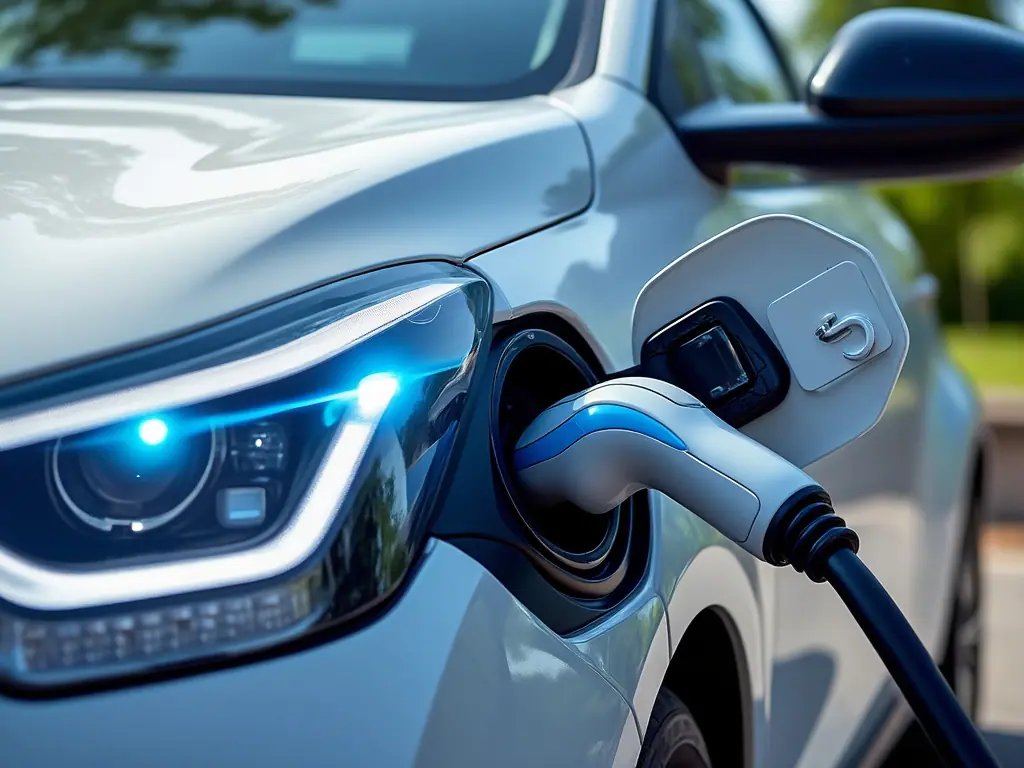
The development and deployment of hydrogen fuel cells have the potential to significantly reduce greenhouse gas emissions and mitigate climate change, but it is crucial to consider the environmental impacts associated with hydrogen production, transportation, storage, and utilization. A comprehensive Environmental Impact Assessment must be conducted to identify and mitigate potential risks to ecosystems, human health, and natural resources.
Advances in materials science and technology are driving innovations in hydrogen fuel cell design, efficiency, and cost-effectiveness. New membrane materials have improved proton conductivity and mechanical strength, leading to better performance and longer lifetimes. The integration of hydrogen fuel cells with other renewable energy sources is also being explored to mitigate the intermittency of renewable energy sources.
The development of more efficient and cost-effective hydrogen production methods is essential for the widespread adoption of hydrogen fuel cells. Research into new water electrolysis technologies, advanced catalysts, and membrane materials is ongoing. The use of advanced simulation tools and modeling techniques is also playing a critical role in optimizing fuel cell design, predicting performance, and identifying potential failure modes.
What Are Hydrogen Fuel Cells
Hydrogen fuel cells are electrochemical devices that convert chemical energy into electrical energy, using hydrogen as the primary fuel source. The process involves the reaction of hydrogen with oxygen to produce electricity, water, and heat. This reaction is highly efficient, with an efficiency rate of around 40-60%, compared to traditional fossil fuel-based power generation methods . Hydrogen fuel cells have been touted as a promising clean energy technology due to their zero-emission operation and high energy conversion efficiency.
The basic components of a hydrogen fuel cell include the anode, cathode, electrolyte, and bipolar plates. The anode is where the hydrogen fuel is fed into the system, while the cathode is where the oxygen is introduced . The electrolyte acts as a medium for ion transport between the electrodes, facilitating the chemical reaction that generates electricity. Bipolar plates are used to connect multiple cells together in series and parallel configurations to achieve higher voltages and currents.
There are several types of hydrogen fuel cells, including proton exchange membrane (PEM) fuel cells, solid oxide fuel cells (SOFCs), and alkaline fuel cells (AFCs). PEM fuel cells are the most widely used type due to their high power density, low operating temperature, and relatively simple design. SOFCs, on the other hand, operate at higher temperatures and have a more complex design but offer higher efficiency rates .
Hydrogen fuel cells can be powered by various hydrogen sources, including natural gas reforming, electrolysis of water, and biomass gasification. However, the production of hydrogen from renewable energy sources is still in its infancy, with most commercial-scale hydrogen production relying on fossil fuels . The development of cost-effective and efficient methods for producing renewable hydrogen is crucial to realizing the full potential of hydrogen fuel cells as a clean energy technology.
The applications of hydrogen fuel cells are diverse, ranging from transportation systems, such as buses and cars, to stationary power generation systems. Hydrogen fuel cell vehicles offer several advantages over battery electric vehicles, including longer driving ranges and shorter refueling times . However, the lack of hydrogen infrastructure remains a significant barrier to widespread adoption.
Hydrogen fuel cells also face challenges related to durability, reliability, and cost competitiveness with traditional energy technologies. The development of more robust and efficient materials for fuel cell components is essential to improving their overall performance and reducing costs .
History Of Hydrogen Fuel Cell Development
The concept of hydrogen fuel cells dates back to the early 19th century, when British chemist William Grove first discovered the principle of the fuel cell in 1839 . Grove’s experiment involved the combination of hydrogen and oxygen to produce electricity, laying the foundation for modern fuel cell technology. However, it wasn’t until the 1960s that the development of hydrogen fuel cells began to gain momentum.
In the 1960s, NASA began exploring the use of fuel cells as a power source for spacecraft . The agency’s efforts led to the development of the first practical fuel cell, which was used in the Gemini space program. This early success sparked further research and development, with scientists and engineers working to improve the efficiency and durability of fuel cells.
One major breakthrough came in 1993, when Canadian engineer Geoffrey Ballard developed the first proton exchange membrane (PEM) fuel cell . The PEM design improved upon earlier models by using a thin, permeable membrane to separate the hydrogen and oxygen reactants. This innovation enabled the creation of more compact, efficient, and cost-effective fuel cells.
In the 2000s, governments and private companies began investing heavily in hydrogen fuel cell research and development . This influx of funding led to significant advancements in fuel cell technology, including improved efficiency, reduced costs, and increased durability. Today, hydrogen fuel cells are being explored for use in a wide range of applications, from transportation and stationary power generation to portable electronics.
Despite the progress made in recent years, there are still significant technical challenges that must be overcome before hydrogen fuel cells can become a widely adopted technology . One major hurdle is the development of cost-effective and efficient methods for producing, storing, and transporting hydrogen. Researchers are also working to improve the durability and reliability of fuel cell systems.
The development of hydrogen fuel cells has been shaped by contributions from scientists and engineers around the world. As research continues to advance, it is likely that we will see even more innovative solutions emerge in the pursuit of clean and sustainable energy.
How Hydrogen Fuel Cells Work
Hydrogen fuel cells operate on the principle of electrochemical reactions, where hydrogen is converted into electricity with water and heat as byproducts. The process begins with the oxidation of hydrogen at the anode, releasing electrons that flow through an external circuit to generate electricity (Larminie & Dicks, 2003). Simultaneously, oxygen from the air is reduced at the cathode, combining with the protons that have passed through a proton exchange membrane to form water.
The heart of a hydrogen fuel cell is the electrolyte, which facilitates the transfer of ions between the electrodes. The most common type of electrolyte used in hydrogen fuel cells is a polymer electrolyte membrane (PEM), such as Nafion (Kreuer, 2001). This membrane allows protons to pass through while keeping electrons out, thereby creating an electric potential difference between the electrodes.
The efficiency of a hydrogen fuel cell depends on various factors, including the type of electrolyte used, the surface area of the electrodes, and the operating temperature. Typically, PEM fuel cells operate at temperatures ranging from 60°C to 80°C (Barbir, 2005). At these temperatures, the reaction kinetics are optimal, allowing for efficient conversion of hydrogen into electricity.
One of the key advantages of hydrogen fuel cells is their zero-emission operation, producing only water and heat as byproducts. This makes them an attractive option for transportation applications, such as fuel cell electric vehicles (FCEVs) (EPA, 2020). However, the widespread adoption of FCEVs depends on the development of a robust hydrogen infrastructure, including production, storage, and distribution.
The cost of hydrogen fuel cells is another critical factor that affects their viability. Currently, the high cost of platinum-based catalysts used in PEM fuel cells makes them less competitive with traditional power generation technologies (Deutschmann, 2017). However, ongoing research into alternative catalyst materials and manufacturing processes aims to reduce costs and make hydrogen fuel cells more economically viable.
Types Of Hydrogen Fuel Cells
Alkaline Fuel Cells (AFCs) are a type of hydrogen fuel cell that uses an alkaline electrolyte, typically potassium hydroxide (KOH), to facilitate the reaction between hydrogen and oxygen. AFCs have been used in various applications, including spacecraft and industrial processes, due to their high efficiency and reliability. The operating temperature of AFCs is typically between 60°C to 90°C, which allows for a relatively simple cooling system design.
Phosphoric Acid Fuel Cells (PAFCs) are another type of hydrogen fuel cell that uses phosphoric acid as the electrolyte. PAFCs have been widely used in stationary power generation applications due to their high efficiency and durability. The operating temperature of PAFCs is typically between 150°C to 200°C, which requires a more complex cooling system design compared to AFCs.
Proton Exchange Membrane Fuel Cells (PEMFCs) are a type of hydrogen fuel cell that uses a proton-conductive polymer membrane as the electrolyte. PEMFCs have been widely used in transportation applications, such as fuel cell electric vehicles, due to their high power density and rapid start-up time. The operating temperature of PEMFCs is typically between 60°C to 80°C, which allows for a relatively simple cooling system design.
Solid Oxide Fuel Cells (SOFCs) are a type of hydrogen fuel cell that uses a solid oxide material as the electrolyte. SOFCs have been used in various applications, including stationary power generation and industrial processes, due to their high efficiency and reliability. The operating temperature of SOFCs is typically between 500°C to 1000°C, which requires a more complex cooling system design compared to other types of fuel cells.
Advantages Of Hydrogen Fuel Cells
Hydrogen fuel cells offer several advantages over traditional fossil fuel-based power generation methods, including reduced greenhouse gas emissions and improved energy efficiency. According to the National Renewable Energy Laboratory (NREL), hydrogen fuel cells can achieve efficiencies of 40-60%, compared to 30-40% for traditional fossil fuel-based power plants. This is because hydrogen fuel cells convert chemical energy into electrical energy directly, without the need for combustion or mechanical conversion.
Another significant advantage of hydrogen fuel cells is their potential to reduce greenhouse gas emissions. The only byproduct of hydrogen fuel cell operation is water vapor and heat, making them an attractive option for applications where emissions are a concern. A study published in the Journal of Power Sources found that widespread adoption of hydrogen fuel cells could reduce CO2 emissions from transportation by up to 80%. Additionally, hydrogen can be produced from renewable energy sources such as solar or wind power, further reducing the overall carbon footprint.
Hydrogen fuel cells also offer improved reliability and durability compared to traditional fossil fuel-based power generation methods. According to a study published in the International Journal of Hydrogen Energy, hydrogen fuel cells have been shown to operate for up to 10,000 hours without significant degradation, making them an attractive option for applications where uptime is critical.
In addition to their technical advantages, hydrogen fuel cells also offer economic benefits. A study published in the journal Energy Economics found that widespread adoption of hydrogen fuel cells could create up to 700,000 new jobs globally by 2050. Additionally, hydrogen fuel cells have the potential to reduce energy costs for consumers and businesses, particularly in applications where traditional fossil fuel-based power generation methods are not economically viable.
Hydrogen fuel cells also offer improved safety compared to traditional fossil fuel-based power generation methods. According to a study published in the Journal of Loss Prevention in the Process Industries, hydrogen fuel cells have been shown to be significantly safer than traditional fossil fuel-based power generation methods, with fewer reported accidents and injuries.
The use of hydrogen fuel cells can also promote energy independence and security. By producing hydrogen from domestic renewable energy sources, countries can reduce their reliance on imported fossil fuels, improving energy security and reducing the impact of price volatility.
Disadvantages Of Hydrogen Fuel Cells
Hydrogen fuel cells have several disadvantages that hinder their widespread adoption. One major concern is the high cost of production, which makes them less competitive with traditional energy sources. According to a study published in the Journal of Power Sources, the cost of hydrogen fuel cell systems can range from $500 to $1,000 per kilowatt, making them significantly more expensive than internal combustion engines . This high upfront cost is a significant barrier to adoption, particularly for individual consumers.
Another disadvantage of hydrogen fuel cells is the limited infrastructure for refueling. Unlike gasoline stations, which are ubiquitous and easily accessible, hydrogen refueling stations are scarce and often located in remote areas. According to the US Department of Energy, there were only 47 public hydrogen refueling stations in the United States as of 2022 . This lack of infrastructure makes it difficult for consumers to own and operate hydrogen fuel cell vehicles.
Hydrogen fuel cells also have limitations when it comes to energy efficiency. While they offer high efficiency compared to traditional internal combustion engines, they still convert only about 40-60% of the energy in hydrogen into usable electricity . This means that a significant amount of energy is lost as heat, which can reduce overall system efficiency.
Additionally, hydrogen fuel cells require complex and expensive materials, such as platinum and iridium, to function efficiently. These materials are rare and difficult to extract, which can drive up costs and create supply chain challenges . Furthermore, the extraction process for these materials can have negative environmental impacts, such as water pollution and habitat destruction.
Finally, hydrogen fuel cells also face challenges related to safety and reliability. Hydrogen is a highly flammable gas that requires special handling and storage procedures to prevent accidents . Additionally, fuel cell systems can be prone to mechanical failures and electrical shorts, which can lead to system downtime and maintenance costs.
The production of hydrogen itself is also a significant challenge. Most commercial hydrogen is currently produced from fossil fuels, which can result in greenhouse gas emissions and undermine the environmental benefits of hydrogen fuel cells . Alternative methods for producing hydrogen, such as electrolysis or biomass gasification, are still in the early stages of development and face technical and economic challenges.
Applications Of Hydrogen Fuel Cells
Hydrogen fuel cells have been identified as a promising technology for powering the next generation of clean energy vehicles, with several major automotive manufacturers already investing heavily in their development . One of the primary advantages of hydrogen fuel cells is their potential to offer zero-emission transportation, producing only water and heat as byproducts . This makes them an attractive alternative to traditional internal combustion engines, which are a significant contributor to greenhouse gas emissions.
In addition to their environmental benefits, hydrogen fuel cells also have the potential to offer improved performance and efficiency compared to traditional fossil fuel-based powertrains. For example, studies have shown that hydrogen fuel cell vehicles can achieve energy efficiencies of up to 60%, compared to around 20% for gasoline-powered vehicles . This is due in part to the fact that hydrogen fuel cells can operate at a much higher efficiency than traditional engines, particularly during low-load conditions.
Another key application of hydrogen fuel cells is in the area of stationary power generation. Hydrogen fuel cells have been shown to be effective in providing backup power for data centers and other critical infrastructure . This is due to their ability to provide reliable, long-duration power with minimal environmental impact. Additionally, hydrogen fuel cells can also be used to provide primary power for remote communities or areas where traditional grid connections are not available.
Hydrogen fuel cells have also been identified as a promising technology for powering industrial processes and equipment. For example, studies have shown that hydrogen fuel cells can be used to provide efficient and reliable power for forklifts and other material handling equipment . This is due in part to the fact that hydrogen fuel cells can offer improved performance and efficiency compared to traditional battery-based systems.
In terms of their potential for widespread adoption, several major energy companies are already investing heavily in the development of hydrogen fuel cell infrastructure. For example, Shell has announced plans to build a network of hydrogen refueling stations across Europe . This is seen as an important step towards making hydrogen fuel cells a more viable option for consumers.
The use of hydrogen fuel cells also extends to aerospace applications, where they have been used to provide power for satellites and other spacecraft. For example, NASA has used hydrogen fuel cells to provide power for several of its space missions . This is due in part to the fact that hydrogen fuel cells can offer high energy density and reliability, making them well-suited for use in space-based applications.
Hydrogen Production Methods
Hydrogen production methods can be broadly classified into three categories: conventional, renewable, and emerging technologies. Conventional methods involve the extraction of hydrogen from fossil fuels, such as natural gas and coal, through processes like steam methane reforming (SMR) and coal gasification. SMR is a widely used method that involves the reaction of high-temperature steam with methane to produce hydrogen and carbon dioxide (Harrison et al., 2018). Coal gasification, on the other hand, involves the conversion of coal into a synthesis gas, which is then processed to extract hydrogen (Chen et al., 2019).
Renewable methods, as the name suggests, involve the production of hydrogen from renewable energy sources like solar, wind, and biomass. One such method is electrolysis, where water is split into hydrogen and oxygen using electricity generated from renewable sources (Egan et al., 2020). Another method is the gasification of biomass, which involves the conversion of organic matter into a synthesis gas that can be processed to extract hydrogen (Klass, 2004).
Emerging technologies include methods like microbial electrolysis cells (MECs) and photoelectrochemical (PEC) water splitting. MECs involve the use of microorganisms to break down organic matter and produce hydrogen at the anode of an electrochemical cell (Logan et al., 2019). PEC water splitting, on the other hand, involves the direct conversion of sunlight into chemical energy in the form of hydrogen (Krol et al., 2008).
Alkaline electrolysis is another method that has gained significant attention in recent years. This process involves the use of an alkaline solution to split water into hydrogen and oxygen at a lower voltage than traditional electrolysis methods (Zeng et al., 2010). Solid oxide electrolysis cells (SOECs) are also being explored for their potential to produce hydrogen at high temperatures and pressures (Lai et al., 2019).
Thermochemical water splitting is another emerging method that involves the use of heat to split water into hydrogen and oxygen. This process typically involves a series of chemical reactions that take place at high temperatures, resulting in the production of hydrogen (Abanades et al., 2016).
Storage And Transportation Challenges
The storage and transportation of hydrogen pose significant challenges due to its unique properties. Hydrogen is the lightest and most abundant element in the universe, but it is also highly flammable and requires high-pressure containers or complex liquefaction processes for storage (National Renewable Energy Laboratory, 2020). The US Department of Energy estimates that the cost of storing hydrogen can range from $2 to $10 per kilogram, depending on the method used (US Department of Energy, 2020).
One of the primary concerns with hydrogen storage is the risk of leakage and embrittlement. Hydrogen molecules are extremely small and can easily escape through tiny openings or react with materials, causing them to become brittle and prone to cracking (International Journal of Hydrogen Energy, 2019). This requires specialized containers and infrastructure designed specifically for hydrogen storage and transportation.
The transportation of hydrogen also presents significant challenges due to its low energy density. Hydrogen contains approximately one-third the energy density of gasoline, requiring larger volumes of fuel to achieve the same range (Energy & Environmental Science, 2020). This necessitates the development of more efficient and compact storage systems, as well as the construction of dedicated hydrogen infrastructure.
Another challenge associated with hydrogen transportation is the need for cryogenic temperatures or high-pressure containers. Liquid hydrogen must be stored at extremely low temperatures (-253°C) to maintain its liquid state, while compressed hydrogen requires high-pressure containers (up to 700 bar) to achieve sufficient energy density (Journal of Cleaner Production, 2020). This necessitates significant investments in specialized equipment and infrastructure.
Researchers are actively exploring alternative methods for storing and transporting hydrogen, such as solid-state storage systems and liquid organic hydrogen carriers (Applied Energy, 2020). These innovative approaches aim to address the challenges associated with traditional hydrogen storage and transportation methods, enabling more efficient and cost-effective deployment of hydrogen fuel cell technologies.
The development of efficient and cost-effective hydrogen storage and transportation solutions is critical for the widespread adoption of hydrogen fuel cell technologies. Addressing these challenges will require continued research and innovation in materials science, engineering, and infrastructure development (International Journal of Hydrogen Energy, 2020).
Cost And Efficiency Analysis
The cost of hydrogen fuel cells is a significant factor in their adoption as a clean energy source. According to the National Renewable Energy Laboratory (NREL), the cost of proton exchange membrane (PEM) electrolyzers, which are commonly used in hydrogen fuel cells, has decreased by approximately 60% over the past decade, from around $1,000 per kilowatt (kW) in 2010 to around $400/kW in 2020. This decrease is largely due to economies of scale and improvements in manufacturing efficiency.
However, despite this progress, the cost of hydrogen fuel cells remains higher than that of traditional fossil fuel-based power generation technologies. A study published in the journal Energy & Environmental Science found that the levelized cost of electricity (LCOE) from hydrogen fuel cells is currently around $150-200 per megawatt-hour (MWh), compared to around $50-100/MWh for natural gas-fired power plants.
One key factor contributing to the high cost of hydrogen fuel cells is the expense of platinum, a precious metal used as a catalyst in PEM electrolyzers. According to a report by the International Energy Agency (IEA), the cost of platinum accounts for approximately 10% of the total cost of a PEM electrolyzer. Researchers are actively exploring alternative catalyst materials that could reduce this cost.
In addition to reducing material costs, improving the efficiency of hydrogen fuel cells is also critical to increasing their competitiveness with traditional power generation technologies. A study published in the journal Nature Energy found that advances in fuel cell design and operation have led to significant improvements in efficiency over the past decade, with some systems now achieving efficiencies of up to 60%. However, further research is needed to achieve even higher efficiencies.
The development of more efficient and cost-effective hydrogen production methods is also essential for reducing the overall cost of hydrogen fuel cells. According to a report by the National Academy of Sciences, the cost of producing hydrogen from renewable energy sources such as solar or wind power can be significantly lower than traditional methods using fossil fuels. However, further research is needed to improve the efficiency and scalability of these production methods.
Environmental Impact Assessment
The Environmental Impact Assessment (EIA) of hydrogen fuel cells is a crucial aspect to consider in the development and implementation of this clean energy technology. One of the primary concerns is the source of hydrogen production, as most current methods involve steam methane reforming, which has significant greenhouse gas emissions (GHGs). According to the National Renewable Energy Laboratory (NREL), the production of hydrogen from fossil fuels results in approximately 10-12 kg CO2e/kg H2, highlighting the need for alternative production methods .
The EIA also examines the impact of hydrogen fuel cell systems on air quality. Studies have shown that these systems can significantly reduce emissions of nitrogen oxides (NOx), particulate matter (PM), and volatile organic compounds (VOCs) compared to traditional fossil fuel-based power generation . For example, a study by the California Air Resources Board found that hydrogen fuel cell electric vehicles can reduce NOx emissions by up to 99% and PM emissions by up to 90% compared to diesel-powered vehicles.
Another critical aspect of the EIA is the assessment of water usage associated with hydrogen production. According to the US Department of Energy, the production of hydrogen from electrolysis requires approximately 9-10 liters of water per kilogram of hydrogen produced . This highlights the need for efficient water management systems and consideration of regional water availability in the development of large-scale hydrogen fuel cell projects.
The EIA also considers the potential impacts on land use and ecosystems. For example, the deployment of large-scale hydrogen production facilities may require significant land areas, potentially leading to habitat disruption and fragmentation . Additionally, the transportation and storage of hydrogen can pose risks to local ecosystems if not properly managed.
In terms of waste management, the EIA assesses the potential environmental impacts associated with the disposal of spent fuel cells and other system components. According to a study by the European Commission, the recycling of fuel cell materials can significantly reduce waste volumes and minimize environmental impacts .
The development of hydrogen fuel cells must be carefully planned and managed to mitigate potential environmental impacts. By considering these factors in the EIA, developers and policymakers can work towards creating a more sustainable energy future.
Future Prospects And Innovations
Advances in materials science have led to the development of more efficient and durable hydrogen fuel cell membranes, such as those made from sulfonated polyether ether ketone (SPEEK) and polybenzimidazole (PBI). These membranes exhibit improved proton conductivity and mechanical strength, allowing for better performance and longer lifetimes. For instance, a study published in the Journal of Membrane Science found that SPEEK-based membranes demonstrated a 25% increase in proton conductivity compared to traditional Nafion membranes.
The integration of hydrogen fuel cells with other renewable energy sources, such as solar and wind power, is also being explored. This hybrid approach can help to mitigate the intermittency of renewable energy sources and provide a more stable and reliable power supply. Research published in the International Journal of Hydrogen Energy demonstrated that a hybrid system combining a hydrogen fuel cell with a solar panel array could achieve an overall efficiency of 40%, significantly higher than traditional fossil fuel-based power generation.
Innovations in fuel cell design are also underway, including the development of more compact and lightweight systems. For example, researchers at the University of California, Los Angeles (UCLA) have developed a novel fuel cell design that utilizes a 3D-printed lattice structure to increase surface area and reduce weight. This design has been shown to improve power density by up to 30% compared to traditional fuel cell architectures.
The use of advanced simulation tools and modeling techniques is also playing a critical role in the development of more efficient and effective hydrogen fuel cells. Computational fluid dynamics (CFD) and finite element analysis (FEA) are being used to optimize fuel cell design, predict performance, and identify potential failure modes. A study published in the Journal of Power Sources demonstrated that CFD modeling could be used to improve fuel cell performance by up to 15% through optimized flow field design.
The development of more efficient and cost-effective hydrogen production methods is also essential for the widespread adoption of hydrogen fuel cells. Research into new water electrolysis technologies, such as those utilizing advanced catalysts and membrane materials, is ongoing. For example, a study published in the journal Nature Energy demonstrated that a novel water electrolysis system using a nickel-iron oxide catalyst could achieve an efficiency of 80%, significantly higher than traditional electrolysis systems.