
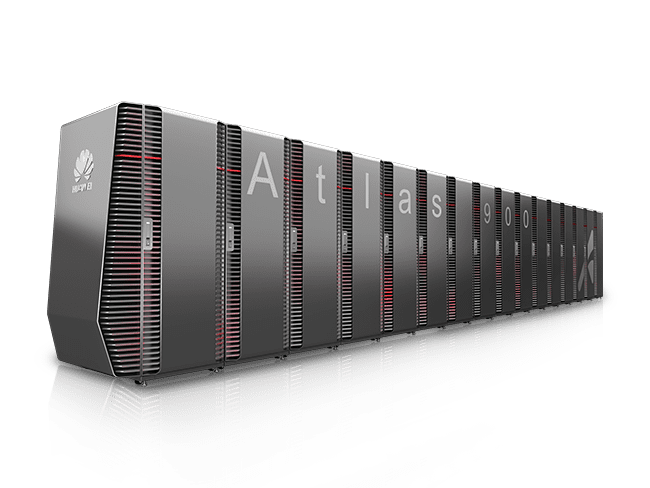
Huawei has developed its new Ascend 920 AI chip to address the gap left by U.S. export restrictions on Nvidia’s H20 chips in China. The Ascend 920, utilizing SMIC’s 6nm process technology, offers enhanced performance with 900 TFLOPS and a memory bandwidth of 4000 GB/s, representing a 30-40% improvement over previous models. This advancement positions Huawei to potentially outperform Nvidia in the Chinese AI market, as real-world testing continues to validate its capabilities.
US Export Restrictions on Nvidia H20 in China
The U.S. government has announced plans to restrict exports of Nvidia’s H20 chips to China, creating a significant gap in the Chinese AI market. This move aims to limit China’s access to advanced semiconductor technology, particularly in the realm of artificial intelligence. However, this restriction has opened an opportunity for Huawei to strengthen its position in the sector with its newly developed Ascend 920 AI chip.
Nvidia’s H20 chipset had been in high demand among major Chinese tech companies such as ByteDance and Tencent, with thousands of units ordered in China this year. The U.S. export restrictions now prevent Nvidia from fulfilling these orders, leaving a void that Huawei is poised to fill. The Ascend 920 chip, developed entirely in-house by Huawei, uses SMIC’s 6nm process technology and features a design similar to the Ascend 910C. With a performance of 900 TFLOPS and 4000 GB/s memory bandwidth, the Ascend 920 is reported to be 30-40% faster than previous-generation AI processors and capable of outperforming the Nvidia H20.
Huawei’s development of the Ascend 920 reflects its strategic response to the evolving geopolitical landscape in the semiconductor industry. By addressing the gap left by the restricted supply of Nvidia’s H20 chips, Huawei is not only bolstering its own AI capabilities but also contributing to China’s efforts to reduce reliance on foreign technology. The success of this initiative could significantly alter the competitive dynamics between U.S.-based companies like Nvidia and Chinese tech giants in the AI chip market.
Huawei Ascend 920 AI Chip Development
Huawei’s Ascend 920 AI chip represents a strategic move to address China’s growing demand for advanced AI processing capabilities. Designed entirely in-house, the chip leverages SMIC’s 6nm process technology and incorporates a chiplet design similar to its predecessor, the Ascend 910C. This approach allows Huawei to maintain continuity while enhancing performance, with the Ascend 920 achieving 900 TFLOPS and offering 4000 GB/s memory bandwidth. These specifications position the chip as a competitive alternative to Nvidia’s H20, particularly in high-performance computing environments.
The development of the Ascend 920 underscores Huawei’s commitment to advancing its AI capabilities independently. By achieving 30-40% performance improvements over previous generations, the chip demonstrates significant progress in computational efficiency and scalability. This advancement is critical as demand for AI processing continues to grow across industries, from data centers to autonomous systems.
Huawei’s focus on optimising AI hardware aligns with broader industry trends toward specialised computing solutions. The Ascend 920’s performance metrics and design innovations highlight Huawei’s ability to adapt to evolving market needs while reducing reliance on external technology suppliers. As real-world testing progresses, the chip’s potential to influence the competitive landscape in AI processing will be closely monitored.
As real-world testing of the Ascend 920 progresses, industry stakeholders and policymakers will closely monitor its performance and adoption rates. The chip’s success could pave the way for further innovation in China’s AI sector, potentially influencing global trends in artificial intelligence and semiconductor technology.
More information
External Link: Click Here For More