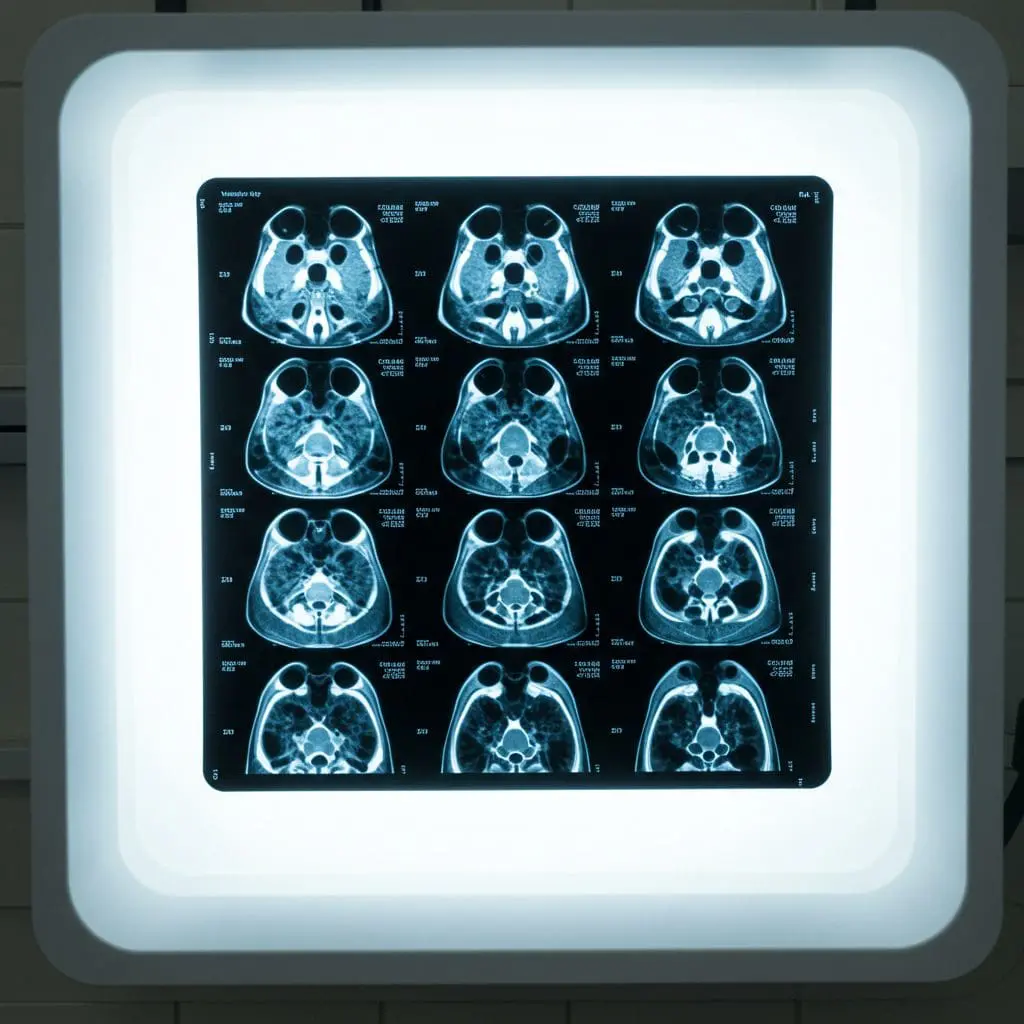
MIT researchers have developed an improvement combining test-time augmentation (TTA) with conformal classification, reducing AI prediction set sizes by up to 30% while maintaining reliability. This advancement enhances high-stakes applications like medical imaging, where ambiguous images can lead to misdiagnosis. The research was presented at the Conference on Computer Vision and Pattern Recognition (CVPR) and supported by funding from Wistrom Corporation.
Understanding mitochondrial DNA mutations is complicated by the variability of heteroplasmy—the coexistence of normal and mutant mtDNA within cells. This variability makes predicting disease progression and therapeutic responses challenging, as the ratio of mutant to normal mtDNA can significantly differ between tissues.
To address these challenges, researchers have developed mitochondrial DNA-targeted platinum TALENs (mpTALENs). These engineered nucleases are designed to specifically target and cleave mutant mitochondrial DNA, enabling precise adjustment of the ratio of mutant to wild-type mtDNA within cells.
Using mpTALENs, researchers can manipulate heteroplasmy levels in patient-derived induced pluripotent stem cells (iPSCs). This technology allows for precise targeting and cleavage of specific mtDNA sequences, enabling both increases and decreases in mutant mtDNA proportions. By achieving this control, researchers can create isogenic cell lines that differ only in their heteroplasmy levels.
The development of mpTALENs offers a novel approach to studying mitochondrial diseases. These tools provide precise control over the ratio of mutant to wild-type mtDNA, making them invaluable for generating isogenic cell lines. Such models enable systematic investigation into how varying mutation loads influence disease progression and pathological outcomes.
Beyond research applications, mpTALENs hold promise as therapeutic tools. By directly reducing mutant mtDNA levels, this technology could alleviate symptoms of mitochondrial diseases associated with specific mutations. The adaptability of mpTALENs to target various mutant mtDNAs expands their potential utility across different forms of mitochondrial pathology.
Despite these advancements, challenges remain. Issues such as off-target effects and delivery mechanisms must be addressed to ensure the safety and efficacy of mpTALENs in clinical settings. Continued research is essential to validate this technology beyond laboratory studies and fully explore its therapeutic potential.
More information
External Link: Click Here For More