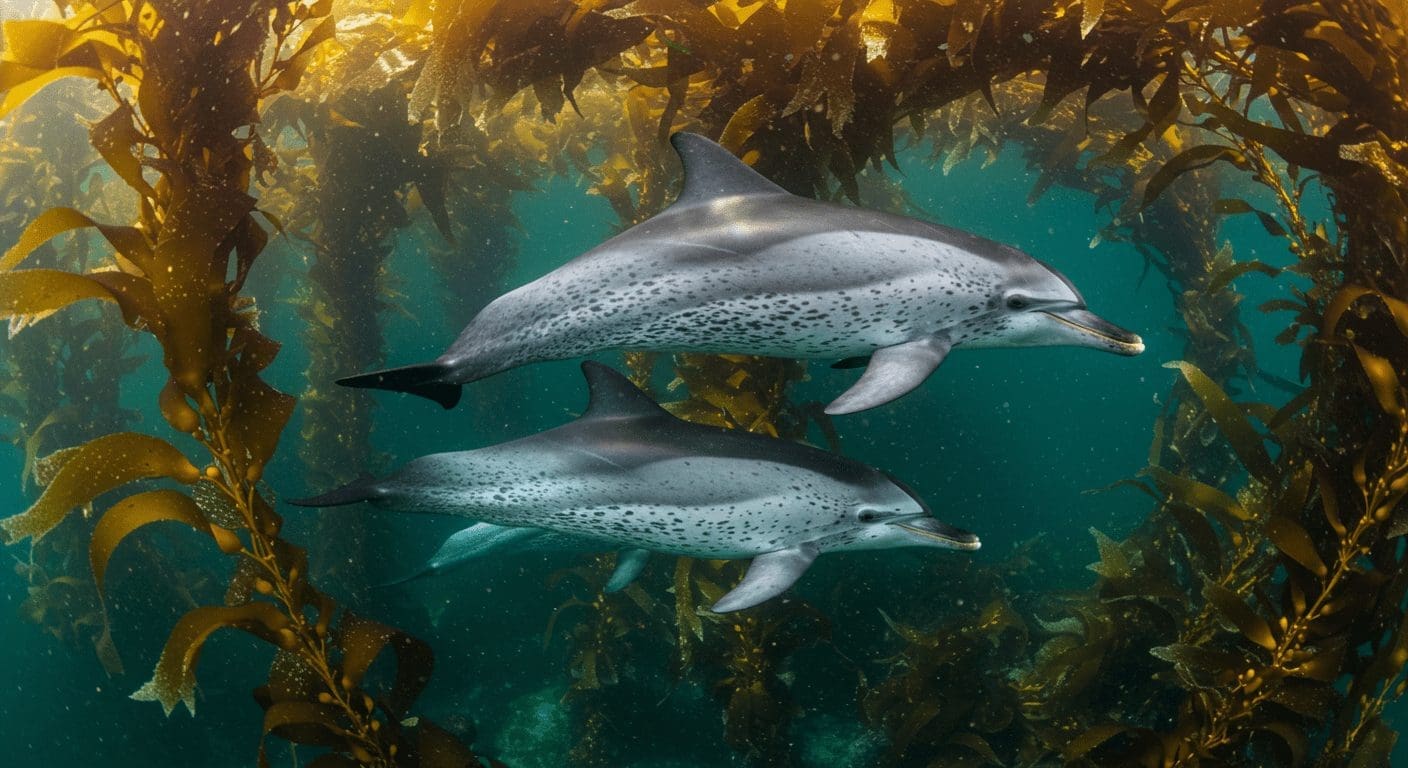
DolphinGemma, an AI model developed by Google in collaboration with Georgia Tech and the Wild Dolphin Project (WDP), analyses dolphin vocalizations and generates synthetic responses. This initiative focuses on understanding communication patterns among Atlantic spotted dolphins in the Bahamas, offering new insights into these intelligent marine mammals and paving the way for future interactive communication studies.
The CHAT (Cetacean Hearing and Telemetry) system is a groundbreaking technology that facilitates two-way communication between humans and dolphins. By leveraging advanced audio processing algorithms, the system enables researchers to associate synthetic whistles with specific objects or concepts, creating a shared vocabulary with dolphins.
DolphinGemma operates as an audio-in(audio-out) model, processing input signals of dolphin vocalizations through AI algorithms trained on datasets from Atlantic spotted dolphins. The system analyzes these sounds, identifying patterns and structures that correspond to specific types of communication. This analysis can result in outputs such as transcriptions or synthetic calls, generated based on the learned patterns.
The CHAT system is integrated with consumer-grade technology like the Google Pixel smartphone, enabling high-fidelity audio processing in real-time. This integration reduces reliance on specialized hardware, making the system more accessible and cost-effective for researchers. The upcoming release of the Google Pixel 9 further enhances this functionality with advanced processing capabilities, ensuring accurate and efficient sound analysis.
DolphinGemma is being shared with the broader research community as an open-source tool, allowing scientists worldwide to access and adapt it for their specific needs. This collaboration aims to accelerate the discovery of communication patterns among various dolphin species, fostering a deeper understanding of marine mammal behavior.
The collaboration between WDP, Georgia Tech, and Google represents a significant leap forward in our ability to communicate with dolphins. By combining cutting-edge AI technology with accessible consumer-grade devices, researchers are paving the way for meaningful two-way interactions with these intelligent creatures. This work not only advances marine mammal science but also opens new possibilities for conservation efforts and interspecies communication.
More information
External Link: Click Here For More