On March 31, 2025, Raphael Meier published a report titled Threats and Opportunities in AI-generated Images for Armed Forces, exploring how generative AI can transform military strategies by enabling deceptive tactics and influential campaigns.
The evolution of war imagery from cave paintings to social media highlights its enduring role in providing visual evidence or influencing cognition for armed forces. Recent advancements in AI-generated photorealistic images present new opportunities and challenges, offering distinct advantages over traditional methods by enabling mass production of deceptive content for tactical purposes. This innovation allows armed forces to implement previously unfeasible strategies, leveraging synthetic imagery to effectively influence or manipulate target audiences.
The Rise of Generative AI in Armed Forces: Opportunities and Threats
In recent years, generative artificial intelligence (AI) has emerged as a transformative force across various sectors, including the military. This technology’s ability to produce photorealistic images from text prompts represents a significant leap forward compared to traditional image generation methods like photography. Unlike conventional approaches that require physical setups, skilled photographers, and specific lighting conditions, generative AI offers unparalleled flexibility and efficiency. The ease of use through simple text inputs allows even non-experts to generate highly customized visual content, while the scalability of these systems enables the rapid production of vast quantities of images.
Military Applications
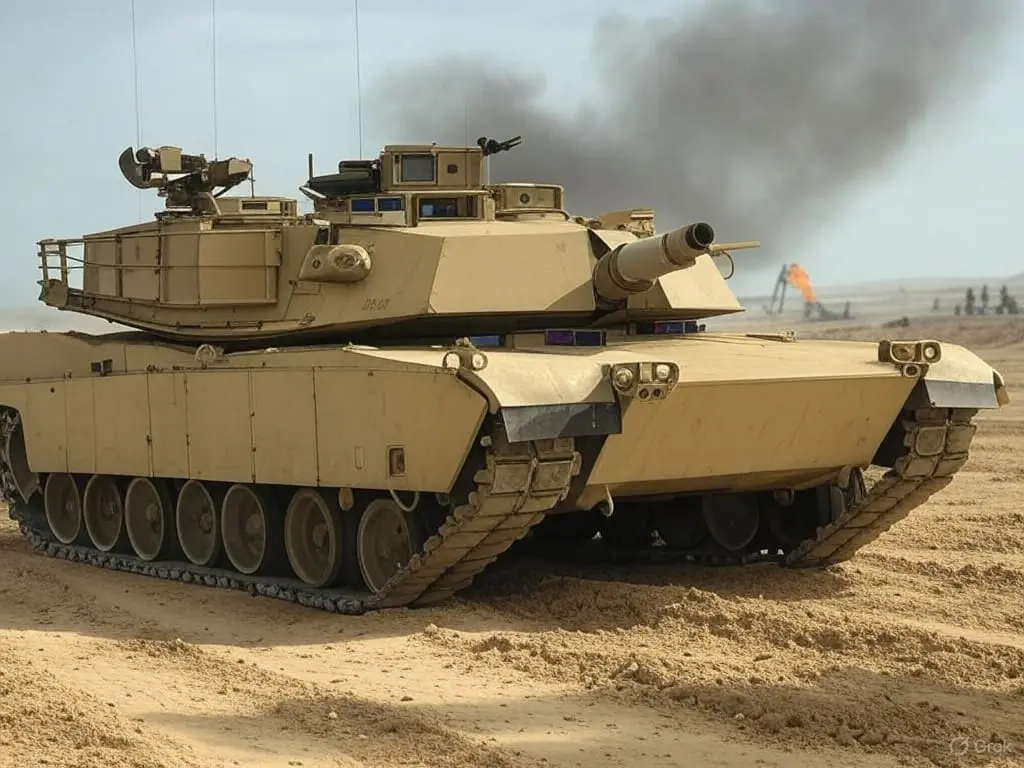
The military applications of generative AI are vast and transformative. One key area is deception operations, where synthetic images can be used to mislead adversaries about troop movements or strategic assets. Additionally, in cyber influence operations, these images can be employed to sway public opinion or disrupt enemy communications. The contrast between synthetic and real images highlights the tactical advantages of generative AI. While traditional images are constrained by physical realities, synthetic images offer limitless possibilities for creativity and manipulation, providing armed forces with new avenues for strategic advantage.
The Challenge of Image Authenticity
Among the critical concepts emerging from this technological shift is the challenge of image authenticity. In an environment where synthetic images can be indistinguishable from real ones, trust in visual information becomes increasingly fragile. This has profound implications for military decision-making processes, as leaders must now contend with the possibility that key intelligence could be fabricated. Furthermore, ethical concerns arise regarding the potential misuse of generative AI to create illegal content or manipulate historical records, underscoring the need for robust regulatory frameworks.
A Dual-Edged Sword
Generative AI presents a dual-edged sword for armed forces, offering unprecedented opportunities for strategic innovation while introducing significant risks. As this technology continues to evolve, its impact on military operations will be profound, necessitating careful consideration of both its benefits and challenges. The future of warfare may well depend on how effectively these tools are harnessed and controlled in the face of an increasingly complex information landscape.
More information
Threats and Opportunities in AI-generated Images for Armed Forces
DOI: https://doi.org/10.48550/arXiv.2503.24095