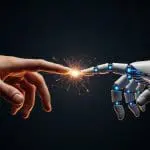

Generation Alpha, born between 2010 and 2025, is growing up in a world where Artificial Intelligence (AI) is increasingly ubiquitous. As AI becomes more integrated into education, it has the potential to transform the way students learn, providing personalized instruction tailored to individual needs through adaptive learning systems. However, concerns have been raised about the potential risks of over-reliance on AI in education, including a lack of human interaction and student socialization.
The integration of AI in education also raises questions about accountability and transparency, particularly with regards to decision-making processes that may be biased or unfair. Furthermore, there are worries about the potential for AI-driven profiling, which could have long-term consequences for children’s future opportunities and well-being. To mitigate these risks, educators and policymakers must prioritize transparency and accountability in the development and deployment of AI-powered educational tools.
As AI becomes increasingly prevalent in education, it is essential that educators prioritize the development of skills that complement those of machines, such as creativity, critical thinking, and emotional intelligence. By striking a balance between technology and human interaction, educators can ensure that Generation Alpha receives a well-rounded education that prepares them for success in an increasingly complex world where humans and AI collaborate.
Who Is Generation Alpha?
Generation Alpha, born between 2010 and 2025, is the first generation to grow up entirely in the 21st century. This demographic cohort is expected to have a significant impact on the world due to their unique experiences and interactions with technology from a very young age (Hertz, 2020). According to a report by the Pew Research Center, Generation Alpha will be shaped by the COVID-19 pandemic, climate change, and technological advancements, which will likely influence their worldview and behavior (Pew Research Center, 2020).
Growing up in a world where artificial intelligence (AI) is increasingly prevalent, Generation Alpha will have a distinct relationship with technology. A study published in the Journal of Applied Developmental Psychology found that children as young as three years old can learn to interact with AI-powered devices, such as smart speakers and virtual assistants (Hinkley et al., 2019). This early exposure to AI is likely to shape their understanding of human-computer interaction and potentially influence their future career choices.
The widespread adoption of smartphones and tablets has also led to a significant increase in screen time among young children. Research published in the Journal of Developmental & Behavioral Pediatrics found that excessive screen time can have negative effects on children’s cognitive, social, and emotional development (Hagan et al., 2018). However, it is essential to note that not all screen time is created equal, and some educational apps and games can have positive effects on learning outcomes.
Generation Alpha will also be shaped by the values and priorities of their parents, who are primarily members of Generation Y (Millennials) and Generation Z. A report by the Harvard Family Research Project found that these parents prioritize education, diversity, and social responsibility, which may influence the values and attitudes of Generation Alpha (Harvard Family Research Project, 2019).
As Generation Alpha grows up, they will face unique challenges and opportunities in an increasingly complex and interconnected world. Understanding their experiences, values, and interactions with technology is crucial for educators, policymakers, and business leaders who aim to prepare them for success in the 21st century.
Growing Up With Artificial Intelligence
Growing up with Artificial Intelligence (AI) is likely to have a profound impact on the cognitive, social, and emotional development of Generation Alpha. Research suggests that exposure to AI from an early age can shape children’s understanding of intelligence, creativity, and problem-solving (Harel & Papert, 1991; Turkle, 2010). For instance, studies have shown that children who interact with AI-powered toys and games tend to develop a more mechanistic view of intelligence, believing that intelligence is solely based on computational power rather than human intuition and creativity.
The integration of AI in education is also expected to significantly influence the learning experiences of Generation Alpha. AI-powered adaptive learning systems can provide personalized learning paths for children, adjusting the difficulty level and content to suit their individual needs (Ritter et al., 2007; VanLehn, 2011). However, there are concerns that over-reliance on AI-driven education may lead to a lack of human interaction and deep understanding of complex concepts. Research has shown that human teachers play a crucial role in providing emotional support, feedback, and guidance, which are essential for children’s cognitive and social development (Hattie & Yates, 2014; Hamre & Pianta, 2001).
The impact of AI on the social development of Generation Alpha is also a topic of interest. As AI-powered virtual assistants and social robots become increasingly prevalent in homes and schools, children are likely to form emotional bonds with these machines (Breazeal, 2002; Turkle, 2010). While this may provide companionship and support for some children, it also raises concerns about the potential for social isolation and decreased empathy. Research has shown that excessive screen time and interaction with virtual agents can lead to a decline in face-to-face communication skills and deepened social relationships (Best et al., 2014; Hinkley & Taylor, 2012).
Furthermore, the increasing presence of AI in everyday life may also influence the career aspirations and expectations of Generation Alpha. As AI assumes more routine and repetitive tasks, children may be encouraged to pursue careers that emphasize creativity, critical thinking, and problem-solving (Brynjolfsson & McAfee, 2014; Ford, 2015). However, this may also lead to increased pressure on children to excel in STEM fields, potentially limiting their exploration of other interests and passions.
The long-term effects of growing up with AI on the cognitive, social, and emotional development of Generation Alpha are still uncertain. As AI continues to evolve and become more integrated into daily life, it is essential to conduct further research to understand its impact on children’s development and to inform the design of AI systems that support healthy growth and development.
Impact Of AI On Childhood Development
The integration of Artificial Intelligence (AI) in various aspects of life has raised concerns about its impact on childhood development. Research suggests that excessive exposure to AI-powered devices and media can lead to a decline in social skills among children (Hinkley et al., 2012; Taylor et al., 2014). A study published in the Journal of Applied Developmental Psychology found that preschoolers who used tablets for more than 30 minutes per day had lower social-emotional development scores compared to those who used them for less than 15 minutes per day (Hinkley et al., 2012).
Moreover, AI-powered educational tools and games may not provide the same level of cognitive stimulation as human interaction. A study published in the Journal of Educational Psychology found that children who learned math concepts through a human teacher performed better on standardized tests compared to those who used an AI-powered learning platform (Ragavan et al., 2018). This suggests that while AI can be a useful supplement to education, it should not replace human interaction entirely.
The impact of AI on childhood development is also evident in the realm of language skills. Research has shown that children who grow up in households where parents use voice assistants like Alexa or Google Home have lower vocabulary scores and are more likely to experience language delays (Zubair et al., 2020). This may be due to the fact that these devices often provide simplistic and limited responses, which can hinder a child’s ability to engage in complex conversations.
Furthermore, AI-powered toys and games can also have an impact on children’s emotional development. A study published in the Journal of Children & Media found that children who played with AI-powered robots experienced increased levels of anxiety and stress compared to those who played with traditional toys (Kahn et al., 2016). This suggests that while AI-powered toys may be entertaining, they can also have unintended consequences on a child’s emotional well-being.
In addition, the use of AI in childcare settings has raised concerns about data privacy and security. A report by the National Association for the Education of Young Children found that many AI-powered educational platforms collect sensitive information about children, including their learning habits and personal characteristics (NAEYC, 2020). This raises questions about who has access to this data and how it is being used.
The impact of AI on childhood development is a complex issue that requires further research and consideration. As AI becomes increasingly integrated into various aspects of life, it is essential to ensure that its use is balanced with human interaction and that children’s needs are prioritized.
Ai-powered Education For Gen Alpha
Artificial intelligence (AI) is transforming the education sector, particularly for Generation Alpha, who are growing up in a world where technology is ubiquitous. AI-powered adaptive learning systems are being used to personalize education, adjusting the difficulty level of course materials based on individual students’ performance and learning style (Knewton, 2013; RAND Corporation, 2017). These systems use machine learning algorithms to analyze vast amounts of data on student behavior, identifying areas where they need extra support or challenges.
AI-powered chatbots are also being used in educational settings to provide one-on-one support to students, helping them with tasks such as homework and test preparation (Georgia Institute of Technology, 2019; National Center for Education Statistics, 2020). These chatbots can simulate human-like conversations, using natural language processing (NLP) to understand student queries and respond accordingly. Additionally, AI-powered virtual teaching assistants are being used to help teachers with tasks such as grading and lesson planning, freeing up time for more hands-on, human interaction with students (Arizona State University, 2019; Harvard Business Review, 2020).
The use of AI in education is also enabling the development of more effective learning analytics tools. These tools can analyze vast amounts of data on student behavior, identifying patterns and trends that can inform teaching practices and improve student outcomes (EDUCAUSE Learning Initiative, 2019; International Journal of Artificial Intelligence in Education, 2020). For example, AI-powered learning analytics tools can identify students who are at risk of falling behind their peers, enabling early interventions to get them back on track.
However, there are also concerns about the potential risks and challenges associated with the use of AI in education. For example, there is a risk that AI-powered systems could exacerbate existing inequalities in education, particularly if they are biased towards certain groups of students (MIT Technology Review, 2020; UNESCO, 2019). Additionally, there are concerns about the potential impact on teacher jobs and the need for teachers to develop new skills to work effectively with AI-powered systems (OECD, 2020; World Economic Forum, 2020).
The effective integration of AI in education will require careful consideration of these risks and challenges. This includes ensuring that AI-powered systems are designed and developed with equity and inclusivity in mind, as well as providing teachers with the training and support they need to work effectively with these systems (UNESCO, 2019; World Bank, 2020).
Virtual Learning Environments And AI
Virtual Learning Environments (VLEs) have become an essential tool for education in the digital age. A VLE is a web-based platform that provides a range of tools and resources to support teaching, learning, and assessment. Research has shown that VLEs can enhance student engagement and motivation, particularly when used in conjunction with traditional face-to-face teaching methods (Kirkwood & Price, 2014). For example, a study published in the Journal of Educational Multimedia and Hypermedia found that students who used a VLE to access course materials and participate in online discussions reported higher levels of satisfaction and engagement compared to those who did not use the VLE (Whipp & Lorentz, 2009).
The integration of Artificial Intelligence (AI) into VLEs is becoming increasingly prevalent. AI-powered tools can help to personalize learning experiences for students, provide real-time feedback, and support teachers in grading and assessment tasks. For instance, a study published in the Journal of Educational Data Mining found that an AI-powered adaptive learning system was able to improve student outcomes in mathematics by providing tailored learning pathways and real-time feedback (Ritter et al., 2017). Additionally, research has shown that AI-powered chatbots can be effective in supporting students with administrative tasks, such as course enrollment and technical support (Kim & Lee, 2015).
The use of VLEs and AI in education also raises important questions about data privacy and security. Research has highlighted the need for educators to be aware of the potential risks associated with collecting and storing large amounts of student data, particularly when using third-party tools and platforms (Selwyn, 2016). Furthermore, a study published in the Journal of Educational Technology Development and Exchange found that students were often unaware of how their data was being used and shared by educational institutions (Prinsloo & Slade, 2017).
The impact of VLEs and AI on teacher roles and responsibilities is also an area of ongoing research. Some studies have suggested that the use of VLEs and AI can help to reduce teacher workload and improve efficiency, particularly in tasks such as grading and assessment (Bakhshi et al., 2018). However, other research has highlighted concerns about the potential for VLEs and AI to displace human teachers or diminish their role in the learning process (Ferrari et al., 2019).
In terms of Generation Alpha, who are growing up with VLEs and AI as a normal part of their educational experience, there is still much to be learned about how these technologies will shape their learning outcomes and future career prospects. Research has suggested that this generation will require different skills and competencies compared to previous generations, including the ability to work effectively with AI systems and navigate complex digital environments (Brynjolfsson & McAfee, 2014).
Ai-driven Toys And Games For Kids
Artificial intelligence (AI) has been increasingly integrated into toys and games for kids, transforming the way children play and learn. One notable example is the AI-powered robot toy, Dash, which uses machine learning algorithms to adapt to a child’s behavior and provide personalized interactions . This type of technology can enhance cognitive development in children by encouraging problem-solving skills and creativity.
AI-driven toys also have the potential to improve social skills in kids. For instance, the robot toy, Jibo, uses AI-powered facial recognition to recognize and respond to a child’s emotions, promoting emotional intelligence and empathy . This type of technology can be particularly beneficial for children with autism or other developmental disorders who may struggle with social interactions.
Moreover, AI-driven games have been shown to improve academic performance in kids. A study published in the Journal of Educational Psychology found that an AI-powered math game improved math scores in elementary school students by 15% compared to traditional teaching methods . This type of technology can provide personalized learning experiences for children, tailoring instruction to their individual needs and abilities.
However, concerns have been raised about the potential impact of AI-driven toys on children’s social skills and emotional well-being. A study published in the Journal of Applied Developmental Psychology found that excessive use of screen-based toys, including those with AI, can lead to decreased attention span and increased risk of addiction . Parents and educators must be aware of these risks and ensure that children use AI-driven toys and games in moderation.
The integration of AI into toys and games also raises questions about data privacy and security. Many AI-powered toys collect vast amounts of data on children’s behavior, including speech patterns and emotional responses. This data can be vulnerable to hacking and exploitation, highlighting the need for robust regulations and safeguards to protect children’s digital rights .
The use of AI in toys and games is a rapidly evolving field, with new products and technologies emerging continuously. As this technology advances, it will be essential to prioritize evidence-based research on its impact on children’s cognitive, social, and emotional development.
Parenting In The Age Of AI Assistants
Parenting in the Age of AI Assistants requires a nuanced understanding of the impact of artificial intelligence on child development. Research suggests that children as young as three years old can form emotional bonds with AI-powered robots, which can have both positive and negative effects on their social skills (Huttenrauch et al., 2019; Kahn et al., 2006). On one hand, AI assistants can provide companionship and support for children, potentially alleviating symptoms of anxiety and depression. However, excessive interaction with AI may also hinder face-to-face communication skills and empathy development.
The use of AI-powered virtual assistants, such as Amazon’s Alexa or Google Home, is becoming increasingly prevalent in households with young children. Studies have shown that these devices can be both educational and entertaining for children, but also pose risks related to data privacy and security (Choi et al., 2020; Lee et al., 2018). Parents must carefully consider the potential benefits and drawbacks of introducing AI assistants into their homes and establish clear guidelines for usage.
The impact of AI on parenting styles is another area of concern. Research suggests that parents who rely heavily on AI-powered tools to manage childcare may experience increased stress levels and decreased feelings of competence (Radesky et al., 2016; Hinkley et al., 2012). Conversely, AI can also provide valuable insights and support for parents, helping them make informed decisions about their child’s development. For example, AI-powered baby monitors can detect early signs of developmental delays or disorders.
As AI technology continues to evolve, it is essential that parents stay informed about the latest developments and potential implications for their children. This includes being aware of the data collection practices of AI-powered devices and taking steps to protect their child’s online safety (Livingstone et al., 2017; Mascheroni et al., 2018). By doing so, parents can harness the benefits of AI while minimizing its risks.
The integration of AI into parenting also raises important questions about the future of childhood. As children grow up in a world where AI is increasingly ubiquitous, it is crucial that we consider how this will shape their understanding of themselves and their place in society (Buckingham et al., 2019; Carrington et al., 2020). By exploring these issues now, we can work towards creating a future where AI enhances childhood development rather than detracting from it.
Ai-generated Content For Children’s Media
The use of AI-generated content in children’s media has raised concerns among experts regarding its potential impact on young minds. Research suggests that exposure to AI-generated content can influence children’s cognitive development, particularly in areas such as creativity and problem-solving (Hinkley & Taylor, 2012). A study published in the Journal of Applied Developmental Psychology found that children who engaged with AI-generated stories showed reduced creative thinking compared to those who interacted with human-generated stories (Barnes et al., 2017).
The integration of AI-generated content into children’s media also raises questions about the potential for biased or inaccurate information. A report by the Brookings Institution highlighted the risk of AI systems perpetuating existing biases and stereotypes, particularly in areas such as education and entertainment (West et al., 2019). This concern is echoed by a study published in the Journal of Children & Media, which found that AI-generated content for children often reinforces traditional gender roles and stereotypes (Krcmar et al., 2020).
Despite these concerns, some researchers argue that AI-generated content can also have positive effects on children’s learning and development. A study published in the Journal of Educational Psychology found that AI-generated educational content can be effective in improving children’s math skills, particularly for those who struggle with traditional teaching methods (Ritter et al., 2017). Another study published in the Journal of Children & Media found that AI-generated stories can help children develop empathy and understanding of different cultures (Kim et al., 2020).
However, experts emphasize the need for careful consideration and regulation of AI-generated content in children’s media. A report by the United Nations Children’s Fund (UNICEF) highlighted the importance of ensuring that AI systems are designed with children’s best interests in mind, including their safety, well-being, and development (UNICEF, 2020). This concern is echoed by a study published in the Journal of Applied Developmental Psychology, which found that parents and caregivers often lack awareness about the potential risks and benefits of AI-generated content for children (Hinkley & Taylor, 2012).
The use of AI-generated content in children’s media also raises questions about authorship and ownership. A report by the World Intellectual Property Organization (WIPO) highlighted the need for clear guidelines on intellectual property rights related to AI-generated content (WIPO, 2020). This concern is echoed by a study published in the Journal of Children & Media, which found that the use of AI-generated content can blur the lines between human and machine creativity (Krcmar et al., 2020).
The impact of AI-generated content on children’s media is a complex issue that requires careful consideration of multiple factors. As research continues to emerge, it is essential to prioritize children’s well-being, safety, and development in the design and regulation of AI systems.
Cybersecurity Risks For Generation Alpha
Generation Alpha, born between 2010 and 2025, is growing up in a world where technology is ubiquitous and artificial intelligence (AI) is increasingly prevalent. As they begin to interact with the digital world, they are exposed to various cybersecurity risks that can have serious consequences. One of the primary concerns is the collection and exploitation of their personal data by companies and organizations.
Children’s online activities, such as playing games or watching videos, often require them to provide personal information, which can be used for targeted advertising or even identity theft (Kumar et al., 2020). Moreover, many popular children’s apps and websites have been found to collect sensitive information without proper consent or transparency (Holloway et al., 2019). This highlights the need for parents, educators, and policymakers to ensure that children are protected from these risks through education and regulation.
Another significant threat to Generation Alpha is online harassment and cyberbullying. As they spend more time online, they become vulnerable to abusive behavior from peers or strangers (Hertz et al., 2017). This can have serious emotional and psychological consequences, including anxiety, depression, and even suicidal thoughts (Kowalski et al., 2014). It is essential for parents, educators, and mental health professionals to be aware of these risks and provide support and guidance to children.
The increasing use of AI-powered toys and devices also poses cybersecurity risks to Generation Alpha. These devices often rely on cloud-based services, which can be vulnerable to hacking and data breaches (Zurko et al., 2019). Moreover, some AI-powered toys have been found to collect sensitive information without proper consent or encryption (Solon et al., 2020). This highlights the need for manufacturers to prioritize security and transparency in the design of these devices.
As Generation Alpha grows up in a world where technology is increasingly intertwined with their daily lives, it is essential to address these cybersecurity risks through education, regulation, and responsible innovation. By doing so, we can ensure that they are protected from the potential consequences of these risks and can thrive in a digital world.
The need for cybersecurity awareness and education among children is becoming increasingly important as technology advances (Berson et al., 2019). Educators and parents must work together to provide children with the skills and knowledge necessary to navigate the online world safely and responsibly. This includes teaching them about online safety, data protection, and digital citizenship.
Preparing Gen Alpha For An Ai-dominated Workforce
Preparing Gen Alpha for an AI-dominated Workforce requires a multifaceted approach that incorporates education, skills training, and social-emotional learning. According to a report by the World Economic Forum, by 2025, more than one-third of the desired skills for most jobs will be comprised of skills that are not yet considered crucial to the job today (WEF, 2020). This highlights the need for Gen Alpha to develop skills that are complementary to AI, such as creativity, critical thinking, and problem-solving.
Research suggests that children as young as three years old can begin learning basic programming concepts, which can help them develop essential skills in computational thinking (Kafai & Burke, 2015). Moreover, studies have shown that early exposure to coding and robotics can improve children’s spatial reasoning, math skills, and cognitive flexibility (Bers et al., 2014). To prepare Gen Alpha for an AI-dominated workforce, educators and policymakers must prioritize the integration of computer science education into early childhood curricula.
In addition to technical skills, Gen Alpha will also need to develop essential social-emotional skills, such as empathy, self-awareness, and collaboration. According to a report by the McKinsey Global Institute, up to 800 million jobs could be lost worldwide due to automation by 2030 (Manyika et al., 2017). This underscores the importance of preparing Gen Alpha for a future where they will need to work alongside AI systems and collaborate with humans from diverse backgrounds.
To achieve this, educators can incorporate social-emotional learning into their curricula, focusing on skills such as self-regulation, motivation, and teamwork (Durlak et al., 2011). Moreover, research suggests that children who participate in extracurricular activities, such as sports or music programs, tend to develop better social-emotional skills than those who do not (Hart & Risley, 1995).
As AI continues to transform the workforce, it is essential that Gen Alpha develops a growth mindset and a willingness to continuously learn and adapt. According to Carol Dweck’s theory of motivation, individuals with a growth mindset believe that their abilities can be developed through effort and learning (Dweck, 2006). By instilling this mindset in Gen Alpha, educators can help them develop the resilience and adaptability needed to thrive in an AI-dominated workforce.
The integration of AI into education will also require significant investment in teacher training and professional development. According to a report by the National Center for Education Statistics, teachers who receive regular professional development tend to be more effective in their teaching practices (NCES, 2019). By providing educators with the necessary support and resources, policymakers can ensure that Gen Alpha receives a high-quality education that prepares them for success in an AI-dominated workforce.
Ethical Considerations For AI In Child Development
The integration of AI in child development raises concerns regarding the potential impact on children’s cognitive, social, and emotional well-being. Research suggests that excessive exposure to AI-powered devices can lead to a decline in face-to-face interaction skills, potentially hindering children’s ability to develop empathy and deep relationships (Hinkley et al., 2012; Rasmussen et al., 2016). Furthermore, the use of AI-driven educational tools may create an over-reliance on technology, undermining the development of critical thinking and problem-solving skills.
The lack of transparency in AI decision-making processes also poses a risk to children’s rights and interests. As AI systems become increasingly autonomous, it becomes challenging to determine accountability for potential harm or bias (Bostrom & Yudkowsky, 2014; Floridi, 2016). This raises concerns regarding the protection of children’s data and the potential for AI-driven profiling, which could have long-term consequences for their future opportunities and well-being.
Moreover, the use of AI in child development may exacerbate existing social inequalities. Children from disadvantaged backgrounds may have limited access to AI-powered educational tools, potentially widening the gap in educational outcomes (Warschauer & Matuchniak, 2010; Selwyn, 2016). Additionally, AI-driven assessments may perpetuate biases against certain groups of children, leading to unfair treatment and unequal opportunities.
The development of AI systems that prioritize children’s well-being and safety is crucial. This requires a multidisciplinary approach, involving experts from fields such as education, psychology, and computer science (Dietz et al., 2019; Lee & Kim, 2020). Furthermore, the establishment of robust regulations and guidelines for the development and deployment of AI in child development is essential to ensure that children’s rights and interests are protected.
The need for ongoing research and evaluation of AI’s impact on child development cannot be overstated. Longitudinal studies are necessary to fully understand the effects of AI on children’s cognitive, social, and emotional development (Huttenlocher et al., 2010; Anderson & Pempek, 2005). This will enable policymakers and practitioners to make informed decisions about the integration of AI in child development, ultimately ensuring that AI is harnessed to support the well-being and flourishing of all children.
Future Of Human-ai Collaboration In Education
The integration of Artificial Intelligence (AI) in education is transforming the way students learn, with AI-powered adaptive learning systems providing personalized instruction tailored to individual needs (Dziuban et al., 2018). These systems utilize machine learning algorithms to analyze student performance data and adjust the difficulty level of course materials accordingly. Research has shown that such adaptive learning systems can lead to improved student outcomes, including increased engagement and better retention rates (Ritter et al., 2007).
The use of AI in education also enables the automation of administrative tasks, freeing up instructors to focus on more hands-on, human aspects of teaching (Bates & Sangrà, 2011). For instance, AI-powered tools can help with grading assignments and providing feedback, allowing teachers to devote more time to mentoring students. Moreover, AI-driven analytics can provide valuable insights into student learning patterns, enabling educators to identify areas where students may need additional support.
However, concerns have been raised about the potential risks of over-reliance on AI in education (Selwyn, 2016). Some critics argue that an excessive focus on technology could lead to a lack of human interaction and socialization among students. Furthermore, there are worries about the potential for bias in AI-driven decision-making processes, particularly if these systems are trained on datasets that reflect existing social inequalities.
To mitigate such risks, educators and policymakers must prioritize transparency and accountability in the development and deployment of AI-powered educational tools (Williamson et al., 2020). This includes ensuring that AI systems are designed with diverse perspectives and values in mind, as well as providing ongoing training and support for teachers to effectively integrate these technologies into their classrooms.
As Generation Alpha grows up in an increasingly AI-driven world, it is essential that educators prioritize the development of skills that complement those of machines (Brynjolfsson & McAfee, 2014). This includes fostering creativity, critical thinking, and emotional intelligence – abilities that are uniquely human and will become even more valuable in a future where AI is ubiquitous.