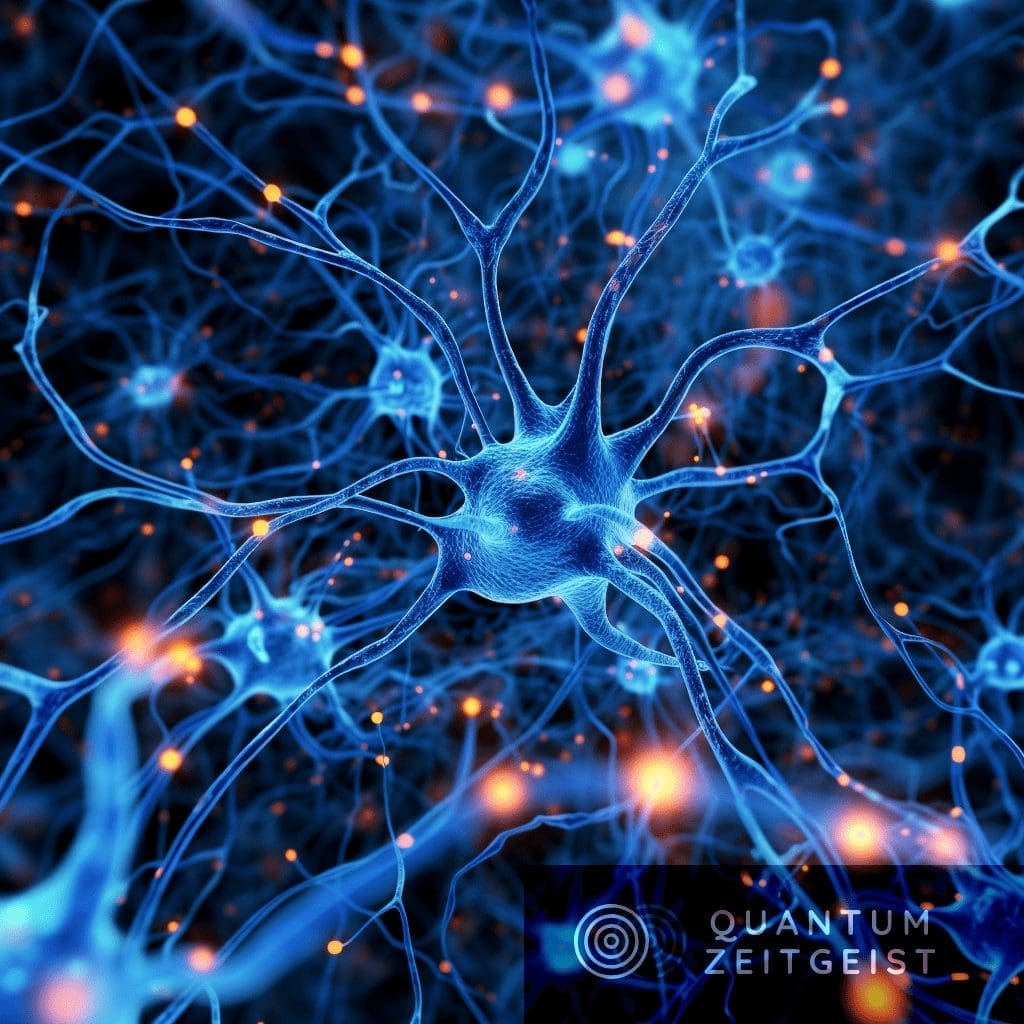
Neuromorphic computing, which mimics the brain’s workings using artificial neurons and synapses, offers a more efficient and energy-saving alternative to traditional computer architectures. Ferroelectric-based artificial synapses are gaining attention in this field due to their controllability, resistance switching, and large output signal dynamic range. In a recent article, the authors explore the possibilities and future of Neuromorphic Computing.
These devices, which can simulate synaptic plasticity and neural behaviors, are seen as more favorable than traditional CMOS approaches for developing miniaturized, low-energy neuromorphic systems. Despite challenges in power consumption and device miniaturization, further research could lead to advanced neuromorphic systems with multimodal and multi-timescale synaptic plasticity.
Introduction to Neuromorphic Computing and Ferroelectric Artificial Synapses
Neuromorphic computing, which simulates the working principles of the brain using artificial neurons and synapses, offers an alternative to traditional von Neumann computer architectures. This approach provides high computational efficiencies and low energy consumption, overcoming the speed barrier and high power consumption of conventional systems. Among the emerging neuromorphic electronic devices, ferroelectric-based artificial synapses have garnered significant interest due to their good controllability, deterministic resistance switching, large output signal dynamic range, and excellent retention.
The Structure and Operational Mechanism of Ferroelectric Artificial Synapses
Ferroelectric artificial synapses, represented by ferroelectric tunnel junctions and ferroelectric field effect transistors, have a unique structure and operational mechanism. These devices can continuously or abruptly change their conductance under external stimuli, showing memristive properties that can simulate synaptic plasticity and neural behaviors in a single device without complicated circuit designs. This makes them more favorable than traditional CMOS approaches for developing miniaturized and low energy neuromorphic systems.
The Role of Synaptic Plasticity in Brain-Inspired Computing Systems
In the nervous system, synapses connect neurons and transmit neural signals between them. The strength of this connection, described by the synaptic weight or synaptic strength, plays a key role in learning and memory. Simulating these plastic characteristics in an artificial synapse is one of the primary tasks in brain-like computing. Synaptic plasticity can be categorized as short and long-term based on the duration of its effect on the synaptic strength.
The Advantages of Ferroelectric Memories in Data Storage
Ferroelectric memories, including FeRAMs, capacitive ferroelectric memory, ferroelectric tunnel junctions (FTJs), and ferroelectric field effect transistors (FeFETs), have demonstrated their significance in data storage due to their switchable ferroelectric polarization states. For artificial synapse applications, employing resistive ferroelectric memory as a synaptic weight shows the advantages of a large output signal dynamic range, excellent controllability, and deterministic resistance switching, which are required for reliable neuromorphic computing.
The Potential of Ferroelectric Resistance Switching Devices in Neuromorphic Computing
Ferroelectric resistance switching devices like FTJs and FeFETs, whose resistance/conductance strongly couple with ferroelectric switching, are considered potential candidates for next-generation neural devices. These devices are more favorable than traditional CMOS approaches for developing miniaturized and low energy neuromorphic systems.
The Challenges and Prospects of Ferroelectric Synapses
Despite the promising prospects, there are still challenges in ferroelectric synapses, including the linearity and symmetry of synaptic weight updates, power consumption, and device miniaturization. However, with further research and development, these challenges can be overcome, paving the way for advanced neuromorphic systems with multimodal and multi timescale synaptic plasticity.
This article, titled “Ferroelectric artificial synapses for high-performance neuromorphic computing: Status, prospects, and challenges,” was authored by Le Zhao, Hongyuan Fang, Jie Wang, Fang Nie, Rongqi Li, Yuling Wang, and Limei Zheng. It was published in the Applied Physics Letters journal on January 15, 2024. The article discusses the current status, future prospects, and challenges of ferroelectric artificial synapses in the field of high-performance neuromorphic computing. The DOI reference for this article is https://doi.org/10.1063/5.0165029.