

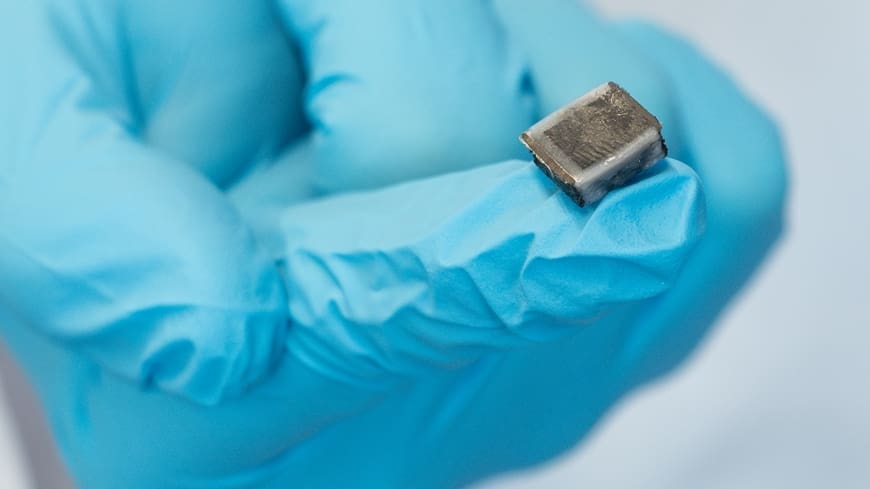
Empa researchers have developed a method for producing artificial muscles using 3D printing, creating soft and elastic structures that mimic real muscles. These artificial muscles consist of two silicone-based materials: conductive electrodes and dielectric layers, which interlock to form a structure that contracts when voltage is applied and relaxes when turned off. In collaboration with ETH Zurich, the team utilized special inks and a custom nozzle to achieve this, overcoming challenges related to material properties during 3D printing. Potential applications span medicine, robotics, and virtual reality, with future possibilities including medical devices and mimicking heart functions.
Development of Artificial Muscles
The development of artificial muscles represents a significant advancement in materials science and engineering, offering potential applications across various fields. These artificial muscles are designed to mimic the functionality of real muscles, enabling movement and force generation in devices such as robots, medical prosthetics, and wearable technology.
Central to this innovation is the creation of soft, elastic actuators that can contract and expand when subjected to electrical stimuli. The technical challenges lie in achieving both the necessary flexibility and durability required for real-world applications. Collaboration between Empa and ETH Zurich has led to the development of a specialized nozzle system, enhancing the precision of 3D printing these actuators.
The process involves using conductive electrodes and dielectric elastomers, which respond to electrical stimuli by altering shape, enabling movement and force generation. These materials must withstand repeated stress without degrading, requiring advancements in both material science and manufacturing processes.
Potential applications span robotics with natural movements, advanced prosthetics, and soft robots designed for human interaction. Future goals include creating artificial organs like hearts for transplantation or drug testing, which would require precise control over structure and function to mimic natural organ behavior.
While the potential impact is vast, significant hurdles remain, particularly in material science advancements and manufacturing processes to make these actuators more cost-effective and scalable. Addressing these challenges will be crucial for realizing the full potential of 3D printed artificial muscles across various industries.
More information
External Link: Click Here For More


