

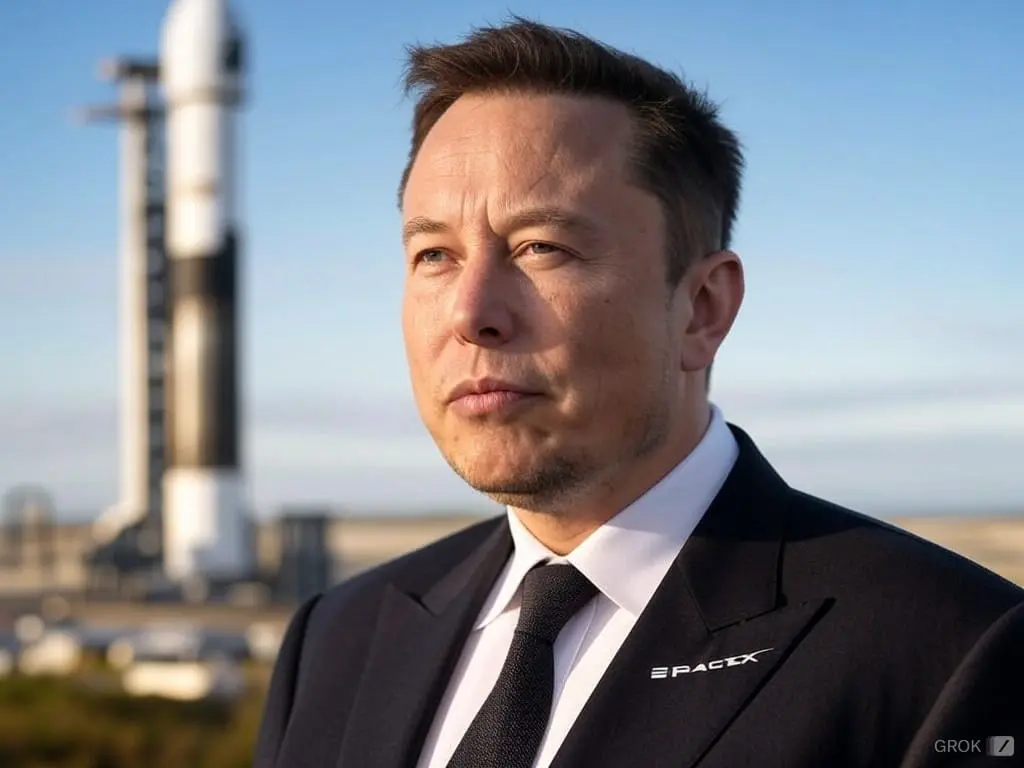
As the artificial intelligence landscape continues to evolve at a breakneck pace, a high-stakes battle for control of OpenAI, a nonprofit at the forefront of generative AI technology, has emerged, with Elon Musk-led consortium making a staggering $97.4 billion bid for its acquisition.
This move underscores the intensifying tensions between Musk and OpenAI’s CEO Sam Altman over the startup’s future trajectory, particularly as it seeks to transition from a nonprofit to a for-profit entity. The implications of this takeover bid are far-reaching, touching on issues of open-source principles, safety-focused AI development, and the potential consolidation of power in the burgeoning AI sector.
With Musk’s vision for OpenAI’s return to its roots as an “open-source, safety-focused force for good” contrasting sharply with Altman’s pursuit of profit-driven growth, the global community awaits with bated breath the outcome of this clash, which promises to redefine the contours of artificial intelligence and its applications worldwide.
Key themes at play include the future of AI governance, the role of nonprofit versus for-profit models in driving innovation, and the ethical considerations surrounding the development and deployment of advanced AI systems.
The Future of Artificial Intelligence: A Battle for Control
In a move that could significantly alter the landscape of artificial intelligence (AI), a consortium led by Elon Musk has made a staggering $97.4 billion bid to acquire OpenAI, the nonprofit organization behind the revolutionary AI technology. This development comes amidst a backdrop of tension between Musk and OpenAI’s CEO, Sam Altman, over the future direction of the startup. As the world watches with bated breath, the implications of this move are far-reaching, touching on the very essence of how AI is developed, controlled, and utilized.
OpenAI, founded in 2015 by Musk and Altman, has been at the forefront of generative AI technology, a field that has seen exponential growth and interest. However, the relationship between its founders took a turn when Musk left before the company gained significant traction. He later went on to found xAI, a competing AI startup, in 2023. The rift between Musk and OpenAI deepened with Musk’s lawsuit against the company and its CEO, criticizing the transition of OpenAI from a nonprofit to a for-profit entity. This legal battle underscores the fundamental disagreement over whether the pursuit of AI should be driven by humanitarian goals or profit.
The Bid: A New Chapter?
The $97.4 billion bid, backed by Musk’s xAI, suggests a potential merger between the two entities post-acquisition. According to Musk, this move is aimed at restoring OpenAI to its original purpose – an open-source, safety-focused force for good. This statement, as reported by the Wall Street Journal, hints at a desire to realign OpenAI with its founding principles, which prioritized the development of AI for the betterment of humanity over financial gain.
The acquisition bid raises several questions about the future of AI research and development. If successful, it could mean a significant shift in how AI technologies are developed and controlled. The prospect of a for-profit model, as envisioned by OpenAI’s transition plans, versus the nonprofit, open-source approach initially championed by Musk, presents a dichotomy. On one hand, the for-profit model could attract more investment, potentially accelerating the development of AI technologies. On the other, it raises concerns about accessibility, ethical considerations, and the potential for AI to be wielded as a tool for profit rather than a force for societal good.
The involvement of significant investors and partners, such as Microsoft, which backs OpenAI, adds another layer of complexity. These entities have a vested interest in the direction and control of AI technologies, given their potential to revolutionize numerous industries and aspects of life. The response, or lack thereof, from these parties to Musk’s bid will be closely watched, as it could signal broader industry trends and preferences regarding the development and governance of AI.
The battle for control of OpenAI is more than just a business transaction; it represents a clash of visions for the future of artificial intelligence. As the world stands at the cusp of an AI-driven revolution, the decisions made now will have far-reaching consequences. Whether Musk’s bid succeeds or fails, it has already ignited a crucial conversation about the ethics, accessibility, and purpose of AI development. The outcome will not only determine the fate of OpenAI but also influence the global approach to AI research, development, and implementation. As stakeholders navigate this complex landscape, one thing is clear: the future of artificial intelligence hangs in the balance, with implications that will be felt across industries, societies, and humanity at large.
External Link: Click Here For More


