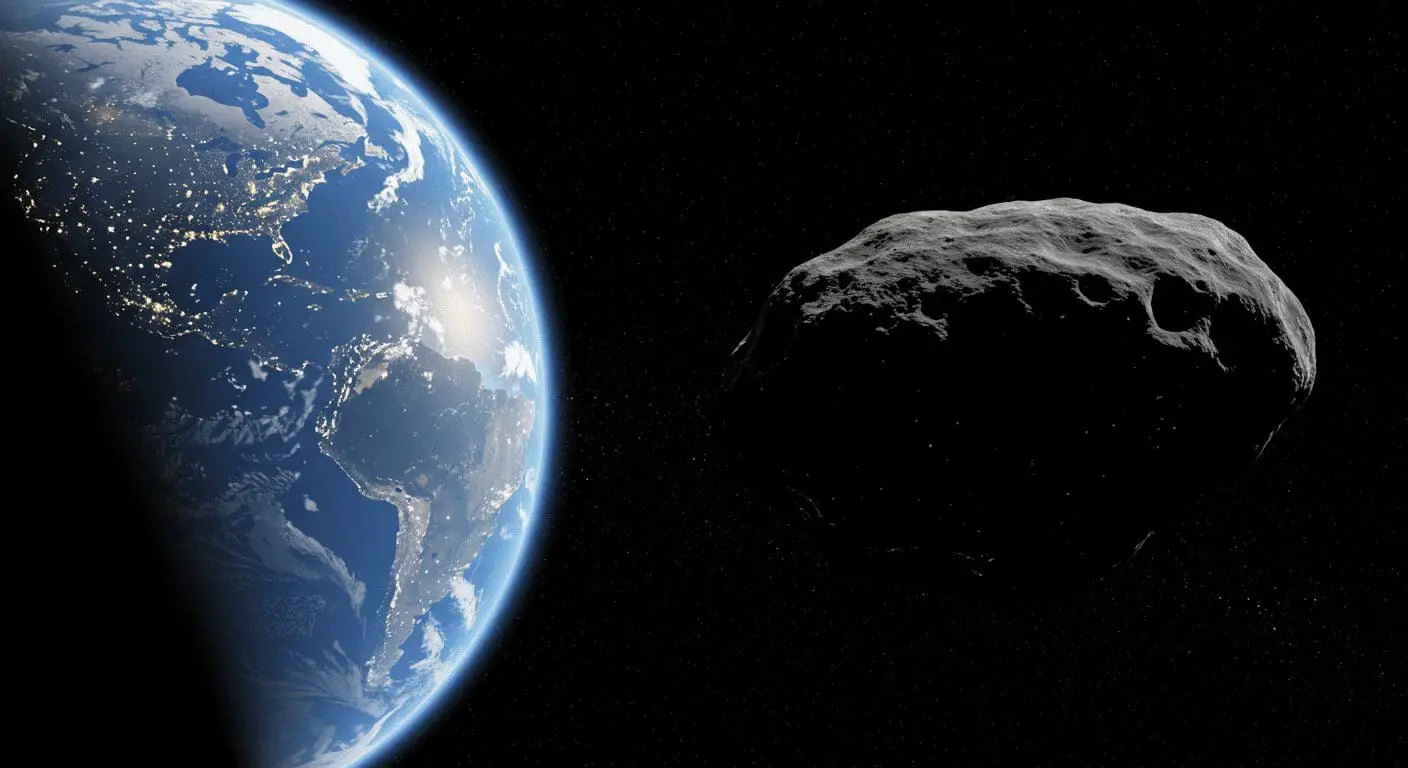
AstroForge, a California-based private company, is set to launch its robotic spacecraft Odin later this week as part of an asteroid survey mission, as reported in the New York Times. This effort follows earlier attempts by companies like Deep Space Industries that faced financial challenges and failed to achieve their goals.
AstroForge has raised $55 million in funding and successfully launched a demonstration spacecraft into Earth orbit, marking progress toward its objective of extracting precious metals from asteroids for potential wealth generation.
The History of Asteroid Mining Attempts
The concept of asteroid mining emerged prominently in the 2010s, with several companies vying to exploit the vast mineral resources believed to exist in near-Earth asteroids. Among these early ventures was Deep Space Industries, which sought to capitalize on the potential wealth from space-based minerals. However, these ambitious plans faced significant challenges, including technical difficulties and a lack of sustained investor interest.
Deep Space Industries, once at the forefront of asteroid mining endeavors, ultimately struggled to secure sufficient funding. The company’s efforts were hampered by the premature timing of their initiatives, as the broader market for space projects had not yet reached the level of enthusiasm required to sustain such ventures. Consequently, Deep Space Industries was forced to cease operations in 2019 without achieving its primary goal of reaching an asteroid.
In contrast, AstroForge has adopted a more strategic approach, building on lessons learned from past failures. The company has already demonstrated its capabilities by launching a prototype spacecraft and securing substantial funding. This progress underscores a shift in the industry, with AstroForge poised to make significant strides in asteroid mining.
AstroForge’s mission with the spacecraft Odin represents a pivotal moment in space exploration. As the first dedicated attempt at Earth’s first asteroid mining, this endeavor marks a potential turning point for the industry, offering hope that the challenges of previous attempts can be overcome through improved planning and execution.
AstroForges Odin Mission to Survey a Metallic Asteroid
AstroForge’s Odin mission marks a significant milestone in humanity’s quest to exploit resources beyond Earth. The spacecraft, roughly the size of a microwave oven, is designed to survey a near-Earth asteroid believed to contain valuable metals such as platinum and gold. This endeavor represents a critical step toward establishing a sustainable presence in space and harnessing its vast mineral wealth.
The mission’s success hinges on Odin’s ability to gather detailed data about the asteroid’s composition and structure. Equipped with advanced sensors, the spacecraft will map the asteroid’s surface and analyze its mineral content, providing insights that could pave the way for future mining operations. AstroForge has emphasized the importance of this preliminary survey in ensuring the feasibility of extracting resources from asteroids.
Odin’s journey begins aboard a SpaceX Falcon 9 rocket, sharing the launch with other lunar missions, including Intuitive Machines’ Athena lander and NASA’s Lunar Trailblazer. This shared launch underscores the growing collaboration between private companies and space agencies in advancing space exploration. After separating from the rocket, Odin will embark on its solo trajectory toward deep space, where it will conduct its survey over several months.
AstroForge’s approach to asteroid mining differs from earlier attempts by focusing on incremental progress and leveraging lessons learned from past failures. The company has already demonstrated its technical capabilities with a successful demonstration spacecraft launch and has secured significant funding to support its ambitious goals. This strategic groundwork positions AstroForge as a leader in the emerging field of space resource utilization.
The Odin mission not only represents Earth’s first dedicated attempt at asteroid mining but also symbolizes a broader shift in humanity’s relationship with space. If successful, it could unlock new economic opportunities and reduce reliance on terrestrial resources, potentially reshaping industries and global markets. As Odin prepares to depart, the world watches closely, hopeful that this mission will mark the beginning of a new era in space exploration and resource extraction.
The Implications of Space Resource Utilization
The potential economic benefits of asteroid mining are substantial. Metals such as platinum and gold, which are critical for advanced technologies, could be sourced from space at potentially lower costs than terrestrial extraction. This could disrupt global markets and create new industries centered around space resource utilization. Additionally, the development of technologies required for asteroid mining—such as autonomous robotics and in-situ resource utilization—could have wide-ranging applications on Earth.
However, realizing these benefits will require overcoming significant challenges. The regulatory frameworks governing space resource extraction are still evolving, raising questions about ownership rights and international cooperation. Environmental concerns also loom large, as the potential risks of asteroid mining to celestial ecosystems must be carefully considered.
Despite these hurdles, the successful execution of missions like AstroForge’s Odin represents a crucial step toward establishing a sustainable presence in space. By paving the way for future resource extraction, such endeavors could redefine humanity’s relationship with space and set the stage for a new era of exploration and economic development.
More information
External Link: Click Here For More