

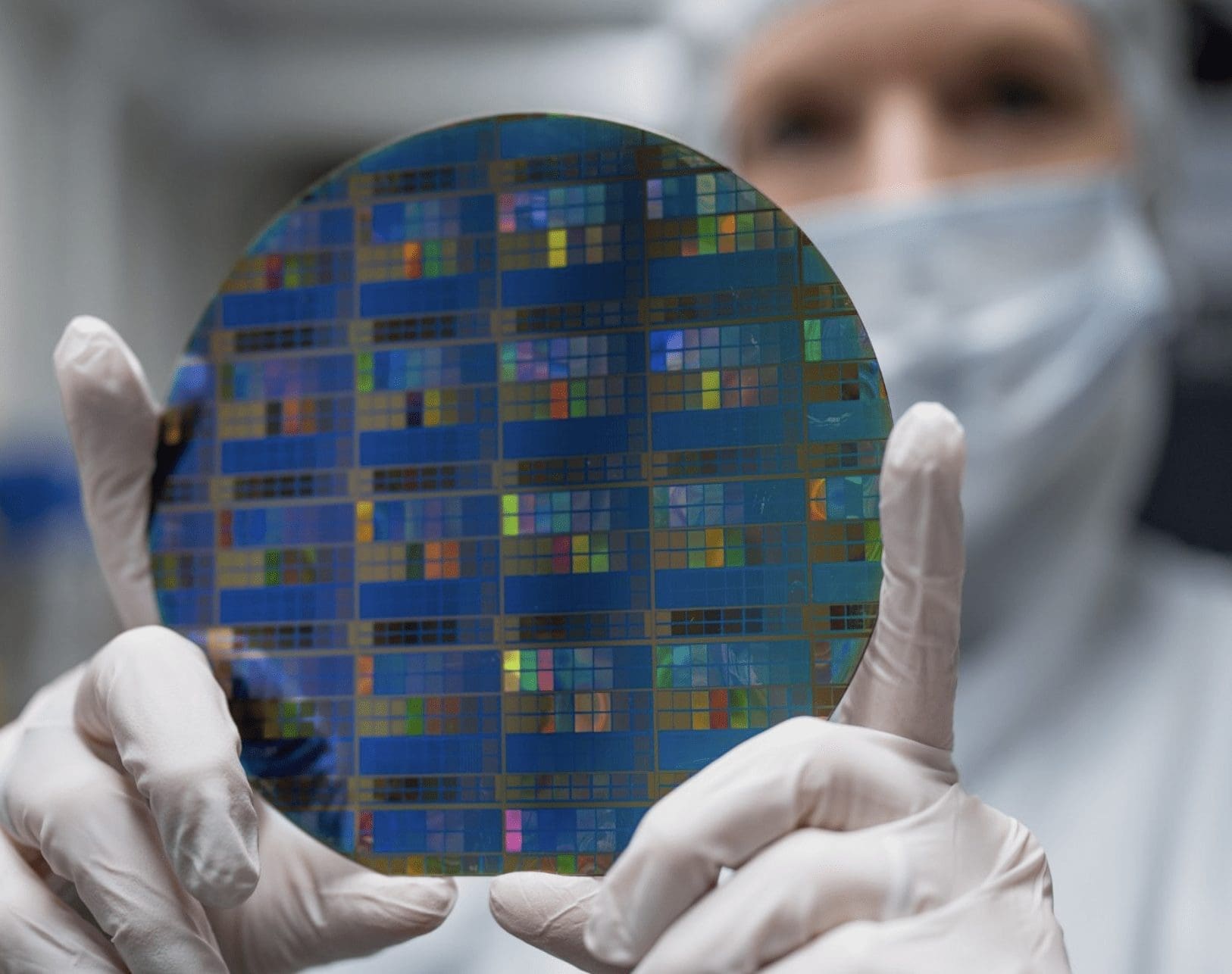
Sydney-based quantum computing startup, Diraq, has secured $15 million in Series A-2 funding led by Paris-based investor Quantonation, with participation from John Higgins Family Investments and the University of New South Wales. The funding will be used to advance Diraq’s development of fault-tolerant quantum computing. The company plans to place billions of qubits directly on silicon using ‘quantum dots’ to mitigate errors cost-effectively. Diraq’s CEO, Andrew Dzurak, stated the funding will also help expand their team and launch in the U.S. The company’s technology aims to revolutionize quantum computing by driving qubit numbers on a single chip to the many millions.
Diraq’s Quantum Computing Development and Funding
Diraq, a Sydney-based quantum computing company, has successfully raised USD $15 million in a Series A-2 funding round. The funds will be used to further the company’s research and development initiatives, with the aim of unlocking the full economic and commercial potential of quantum computing. Diraq’s approach to quantum computing is based on silicon quantum dots, a technology the company significantly contributes to.
The funding round was led by Quantonation, a Paris-based investor specializing in quantum technologies. Other participants included John Higgins Family Investments and the University of New South Wales (UNSW), Sydney. This funding round follows a Series A round of USD $20 million led by technology investor Allectus Capital, bringing Diraq’s total funding to USD $120 million, inclusive of research funding from Australian and US government programs.
Diraq’s Expansion and Quantum Computing Development Plans
The newly secured funding will be used to expand Diraq’s team in Australia and establish a presence in the U.S. The company also plans to leverage its existing international partnerships. Diraq’s CEO and founder, Andrew Dzurak, stated that the company is working closely with foundry partners to develop qubits using established CMOS techniques and proprietary designs. The goal is to create energy-efficient processors capable of housing billions of qubits on a single chip, a significant advancement from the current requirement of thousands of chips and refrigerators.
Diraq’s Quantum Computing Technology and Future Goals
Diraq’s technology is based on modified transistors, components that are integral to everyday life. This gives the company a unique advantage, as it can leverage over 50 years and trillions of dollars of investment in the semiconductor industry. Diraq is one of the few companies globally aiming to achieve millions of qubits on a single chip.
The company is committed to building a full-stack quantum computer that bypasses the current era of large, error-prone systems and moves the industry directly to fault-tolerant computing. Diraq’s spin-based technology in silicon has demonstrated qubit control with sufficient accuracy to allow for scalable error correction, a claim supported by over 30 papers published in the highly prestigious Nature group journals.
Quantonation and Allectus Capital
Quantonation is the world’s first venture capital fund dedicated to quantum technologies. The fund supports the transition of disruptive technologies into commercially available products. Quantonation is headquartered in Paris, France, and Boston, USA, with investments worldwide.
Allectus Capital Limited is a Bermuda-based investment company that invests in potentially disruptive businesses in the technology sector. The company oversees and supports approximately USD $200 million in technology investments, primarily in the Asia Pacific, UK, and the US.
Diraq is a leading contributor to the development of quantum processors using silicon ‘quantum dot‘ technology. The company’s approach relies on existing silicon manufacturing processes used by foundries to produce today’s semiconductor components, known as CMOS. This approach allows for a faster and cheaper route to market. Diraq’s goal is to revolutionize quantum computing by driving qubit numbers on a single chip to the many millions, and ultimately billions needed for useful commercial applications. By capitalizing on existing chip fabrication technology and the ability to manufacture qubits at scale within current semiconductor facilities, Diraq is accelerating the change that can transform computing as we know it today.


